The Do’s and Don’ts of Food Storage
Proper food storage is crucial for maintaining the freshness and safety of your food. By following the right guidelines and best practices, you can ensure that your food stays in optimal condition and minimize the risk of foodborne illnesses. However, there are common mistakes and don’ts that many people make when it comes to food storage. In this article, we will discuss the essential do’s and don’ts of food storage and provide you with valuable tips for properly storing your food.
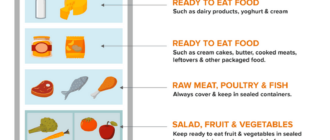
One of the most important do’s of food storage is to keep your refrigerator at the right temperature. The ideal temperature for a refrigerator is below 40°F (4°C). This helps to slow down the growth of bacteria and keep your food fresh for a longer period. Additionally, it is important to store raw meats, poultry, and seafood on the bottom shelf of the refrigerator to prevent cross-contamination with other foods.
On the other hand, there are several don’ts that you should avoid when it comes to food storage. One common mistake is storing hot leftovers in the refrigerator. This can raise the temperature inside the fridge and promote the growth of bacteria. It is best to let the leftovers cool down to room temperature before storing them in the refrigerator. Another don’t is storing foods with strong odors together. Certain foods, like onions and garlic, can transfer their odors to other foods, affecting their taste and quality.
To ensure proper food storage, it is important to follow some best practices. One of these is using airtight containers or resealable bags to store your food. This helps to keep out moisture and prevent the growth of mold and bacteria. Additionally, labeling and dating your food containers can help you keep track of when the food was stored, making it easier to identify and discard any expired items. Lastly, regularly cleaning and organizing your refrigerator and pantry can help prevent cross-contamination and ensure that your food stays fresh and safe to consume.
In conclusion, proper food storage is essential for maintaining the freshness and safety of your food. By following the do’s and don’ts of food storage and implementing best practices, you can ensure that your food stays in optimal condition. Remember to keep your refrigerator at the right temperature, avoid common mistakes, and use airtight containers for storing your food. By doing so, you can minimize the risk of foodborne illnesses and enjoy your meals with peace of mind.
Store Food in Airtight Containers
When it comes to food storage, one of the best practices is to use airtight containers. These containers help to maintain the freshness and quality of the food, while also preventing any odors from spreading to other items in your pantry or refrigerator.
One of the biggest mistakes people make when it comes to food storage is using containers that are not airtight. This can lead to food spoilage and waste, as well as potential contamination from bacteria or pests. By using airtight containers, you can ensure that your food stays fresh and safe to eat for longer periods of time.
Another important tip for storing food in airtight containers is to label and date them. This helps you keep track of when the food was stored and when it should be used by, which can help prevent any instances of food going bad or becoming unsafe to eat.
It’s also important to note that not all containers are created equal. When selecting airtight containers for food storage, look for ones that are made from high-quality materials, such as glass or BPA-free plastic. These materials are less likely to absorb odors or leach harmful chemicals into your food.
Overall, storing food in airtight containers is a key do when it comes to food storage. By following these tips and using the proper containers, you can keep your food fresh, safe, and delicious for longer periods of time.
Keep Food Away from Direct Sunlight
When it comes to food storage, one of the most important factors to consider is safety. It is essential to follow best practices and avoid common mistakes to ensure that your food stays fresh and safe to consume. One important guideline to keep in mind is to always keep food away from direct sunlight.
Exposure to sunlight can have a negative impact on the quality and safety of food. Sunlight can cause certain types of food, such as fruits and vegetables, to spoil more quickly. The heat from the sun can accelerate the growth of bacteria, leading to foodborne illnesses.
To prevent this, it is recommended to store food in a cool and dark place, such as a pantry or a cupboard. This will help to maintain the freshness and nutritional value of the food. Additionally, it is important to store food in appropriate containers that are opaque and airtight, as sunlight can penetrate transparent packaging and affect the quality of the food.
By following these do’s and don’ts of food storage, you can ensure that your food remains safe and of high quality. Remember to always keep food away from direct sunlight and store it in a cool and dark place to maintain its freshness and safety.
Store Food in Cool and Dry Places
When it comes to food storage, one of the most important guidelines to follow is to store your food in cool and dry places. This is essential for maintaining food safety and preventing spoilage. Here are some do’s and don’ts, as well as best practices, for storing your food in the right conditions.
Do:
- Find a cool and dry area in your kitchen or pantry to store your food. This can be a cupboard or a shelf away from direct sunlight and heat sources.
- Keep the temperature of the storage area below 70°F (21°C) to prevent the growth of bacteria and other microorganisms.
- Use airtight containers or resealable bags to store dry goods like flour, rice, and cereal. This will help keep them fresh and prevent moisture from getting in.
- Label your food containers with the date of purchase or expiration to ensure you use them in a timely manner.
Don’t:
- Store food in areas that are prone to temperature fluctuations, such as near ovens, stoves, or windows. These areas can get too hot or humid, which can lead to spoilage.
- Leave food out in the open or exposed to air, as this can cause it to spoil faster.
- Store food in containers that are damaged or not airtight, as this can allow moisture and pests to get in.
- Forget to rotate your food stock. Use the “first in, first out” method to ensure you use older items before newer ones.
By following these do’s and don’ts, and implementing best practices for food storage, you can ensure that your food stays fresh and safe to consume for longer periods of time. Remember to regularly check your storage areas for any signs of pests or spoilage, and discard any food that is past its expiration date.
Avoid Storing Food in the Refrigerator Door
When it comes to food storage, there are certain mistakes you should avoid, and one of them is storing food in the refrigerator door. While it may seem convenient to keep your condiments and beverages in the door compartments, it’s actually not the best idea for food safety and storage guidelines.
The temperature in the refrigerator door is not as consistent as the rest of the fridge, as it tends to fluctuate more due to the frequent opening and closing of the door. This can lead to inconsistent cooling, which can affect the quality and safety of your food.
Additionally, the refrigerator door is often exposed to warmer temperatures, especially if it’s located near a heat source like the oven or dishwasher. This can further compromise the freshness and longevity of your food.
Instead, it’s recommended to store perishable items, such as dairy products, meats, and leftovers, on the shelves of the refrigerator where the temperature is more stable. This will help maintain the quality and safety of your food for longer periods.
If you need additional space for condiments and beverages, consider using the door compartments for non-perishable items like salad dressings, sauces, and canned drinks. These items are less sensitive to temperature fluctuations and will still be safe to consume even if the door is opened frequently.
By following these do’s and don’ts of food storage, you can ensure that your food stays fresh, safe, and delicious for as long as possible.
Use Properly Sized Containers
When it comes to food storage, using properly sized containers is one of the most important do’s. Choosing containers that are the right size for your food items can help maintain their freshness and prevent spoilage. It is essential to select containers that are large enough to hold the food without cramming or overcrowding it. On the other hand, using containers that are too big can lead to unnecessary air exposure, which can cause the food to spoil faster.
Following food safety guidelines, it is crucial to use containers that are made of food-grade materials. These containers should be free from any harmful chemicals that can leach into the food and contaminate it. Look for containers that are labeled as BPA-free and are specifically designed for food storage. Using containers that are not intended for food storage, such as old takeout containers or random plastic containers, can pose a risk to your health.
When storing food, it is also important to consider the shape and design of the containers. Opt for containers that are stackable, as they can help save space in your pantry or refrigerator. Additionally, choose containers with tight-fitting lids to ensure a proper seal and prevent air from entering. This will help keep your food fresh and prevent any odors from spreading to other items in your storage area.
Lastly, it is essential to label your containers with the date and contents of the food. This will help you keep track of the freshness of your food items and avoid any confusion. Using a permanent marker or labels can make it easier to identify the contents of each container, especially when storing items that look similar.
To summarize, using properly sized containers is a crucial step in food storage. Following these best practices and avoiding common mistakes will help you maintain the freshness and safety of your food items for longer periods. Remember to choose containers that are the right size, made of food-grade materials, stackable, and have tight-fitting lids. Don’t forget to label your containers to stay organized and avoid any mix-ups.
Label and Date Your Stored Food
When it comes to proper food storage, one of the best practices is to label and date your stored food. This simple step can greatly improve the organization and safety of your food storage area. By clearly labeling each item, you can easily identify what it is and when it was stored.
Labeling your food is especially important for perishable items that have a shorter shelf life. By dating these items, you can ensure that you are using them before they expire, reducing the risk of foodborne illnesses. Additionally, labeling can help you keep track of when you need to rotate your stock, ensuring that you are using the oldest items first.
When labeling your stored food, be sure to use a permanent marker or labels that are designed for freezer or pantry use. This will prevent the labels from smudging or fading over time. It is also helpful to include any specific storage instructions or guidelines on the label, such as whether the item needs to be refrigerated or kept at room temperature.
Another helpful tip is to use a color-coded system for labeling your food. For example, you could use green labels for items that are safe to eat, yellow labels for items that need to be used soon, and red labels for items that are expired or no longer safe to consume. This can make it even easier to quickly identify the status of your stored food.
Rotate Your Food Stockpile
When it comes to food storage, one of the most important tips is to rotate your stockpile regularly. This means using the oldest items first and replacing them with fresh ones. By doing this, you ensure that your food stays fresh and doesn’t go to waste.
One of the best practices for rotating your food stockpile is to create a system. This can be as simple as labeling your items with the date of purchase or expiration. By keeping track of when you purchased or received certain items, you can easily identify which ones need to be used first.
Another important aspect of rotating your food stockpile is to follow the “first in, first out” rule. This means that you should always use the items that have been in your stockpile the longest before using newer ones. By doing this, you minimize the chances of any food items going bad or becoming unsafe to eat.
One of the biggest mistakes people make when it comes to food storage is not rotating their stockpile regularly. This can lead to food spoilage and waste, as well as potentially consuming expired or unsafe food. By following these guidelines and regularly rotating your stockpile, you can ensure that your food stays fresh and safe to eat.
In conclusion, rotating your food stockpile is one of the most important tips for proper food storage. By creating a system, following the “first in, first out” rule, and regularly checking and replacing your items, you can ensure that your food stays fresh and safe to eat. Don’t make the mistake of neglecting to rotate your stockpile – it’s an essential part of proper food storage.
Keep Different Types of Food Separate
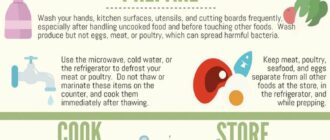
When it comes to food storage, one of the most important guidelines to follow is to keep different types of food separate. This not only helps to maintain the freshness and quality of your food, but it also plays a crucial role in ensuring food safety. Mixing different types of food together can lead to cross-contamination, which can result in the growth of harmful bacteria and cause foodborne illnesses.
To avoid making this mistake, it is essential to store different types of food in separate containers or compartments. For example, raw meat, poultry, and seafood should be stored in sealed containers or wrapped securely to prevent their juices from coming into contact with other foods. Likewise, fruits and vegetables should be stored separately from raw meats to prevent the transfer of bacteria.
Following these best practices can help you avoid potential health risks and maintain the quality of your food. Here are some additional tips to keep in mind:
- Store raw and cooked foods separately to prevent the spread of bacteria.
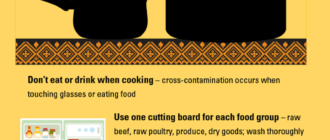
- Use different cutting boards for raw meats and other foods to avoid cross-contamination.
- Label and date your food containers to keep track of their freshness.
- Store foods with strong odors, such as onions or garlic, separately to prevent them from affecting other foods.
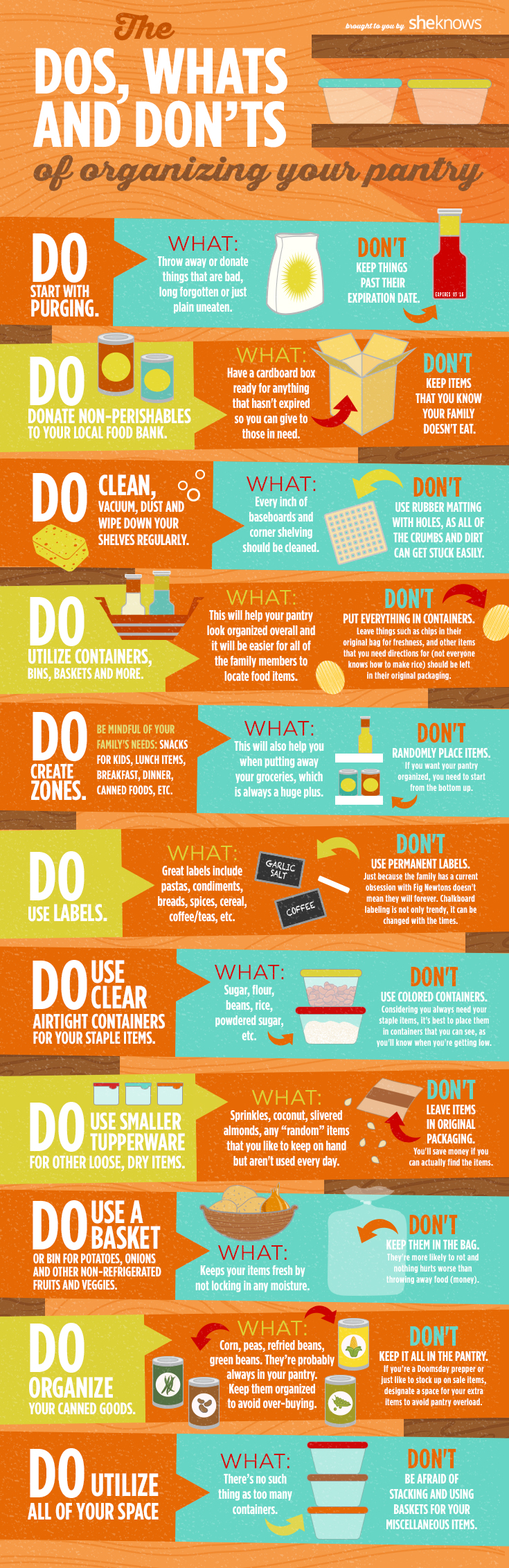
By following these guidelines and being mindful of how you store your food, you can ensure its safety and maintain its quality for longer periods of time.
Store Food in the Right Temperature
Properly storing your food at the right temperature is essential for maintaining its quality and safety. There are several mistakes to avoid and guidelines to follow when it comes to temperature control in food storage.
Don’ts:
- Don’t store perishable foods at room temperature for too long. Bacteria can multiply rapidly in the “danger zone” temperature range of 40°F to 140°F (4°C to 60°C).
- Don’t place hot food directly in the refrigerator. Allow it to cool down to room temperature before transferring it to the fridge to avoid raising the internal temperature of the appliance.
- Don’t overload your refrigerator or freezer. Crowding can lead to poor air circulation and uneven cooling, compromising the quality of stored food.
Best Practices:
- Follow the recommended storage temperature for each type of food. Different foods have different temperature requirements, so it’s important to know the ideal conditions for each item.
- Keep your refrigerator temperature at or below 40°F (4°C) and your freezer at or below 0°F (-18°C). Use a thermometer to regularly check and adjust the temperature settings.
- Store raw meats, poultry, and seafood in sealed containers or wrap them tightly in plastic wrap to prevent cross-contamination and to keep them from leaking onto other foods.
- Divide large quantities of food into smaller portions before storing them. This allows for faster cooling and reduces the risk of bacterial growth.
By following these tips and practicing proper temperature control, you can ensure the safety and longevity of your stored food.
Keep Food Storage Area Clean
When it comes to food storage, cleanliness is key. Keeping your food storage area clean is essential for maintaining the safety and quality of your stored food. Here are some do’s and don’ts, as well as best practices and tips, for keeping your food storage area clean:
- Do: Regularly clean and sanitize your food storage area. This includes wiping down surfaces, cleaning shelves, and regularly washing containers and storage bins.
- Do: Keep food storage areas free of pests. Seal any cracks or openings, use pest control methods if necessary, and store food in tightly sealed containers to prevent infestation.
- Do: Store food off the floor to prevent contamination. Use shelves or storage racks to keep food elevated and away from potential sources of dirt or pests.
- Do: Separate different types of food to prevent cross-contamination. Use separate containers or storage areas for raw meat, fruits and vegetables, and other food items to avoid the spread of bacteria.
Remember, a clean food storage area is essential for food safety and maintaining the quality of your stored food. By following these do’s and don’ts, as well as implementing best practices and tips, you can ensure that your food storage area remains clean and your food stays safe to eat.
Use Oxygen Absorbers for Long-Term Storage
When it comes to food storage, safety and proper handling are essential. One of the do’s for long-term food storage is to use oxygen absorbers. These small packets are designed to remove oxygen from the storage container, creating an oxygen-free environment that helps preserve the quality and freshness of the food.
Using oxygen absorbers is one of the best practices for long-term food storage. By removing oxygen, these packets help prevent the growth of bacteria, molds, and other microorganisms that can cause food spoilage. This is especially important for items like grains, dried fruits, and dehydrated meats, which are prone to spoilage if not stored properly.
One of the mistakes that people often make when it comes to food storage is not using oxygen absorbers. Without these packets, the food is more likely to spoil quickly, leading to waste and potential health risks. It’s important to follow the guidelines and recommendations for using oxygen absorbers to ensure the best storage conditions for your food.
Here are a few tips for using oxygen absorbers effectively:
- Choose the correct size of oxygen absorber based on the volume of food you are storing.
- Store the oxygen absorbers in a cool, dry place to maintain their effectiveness.
- Use airtight containers or bags to create a sealed environment for the food and oxygen absorbers.
- Be sure to label the containers with the date of storage and the type of food inside.
By following these do’s and guidelines for using oxygen absorbers, you can ensure the long-term storage and safety of your food. Don’t forget to regularly check the condition of the oxygen absorbers and replace them as needed to maintain their effectiveness.
Avoid Storing Food in Open Bags
When it comes to proper food storage, one of the biggest mistakes you can make is storing food in open bags. This can lead to a variety of issues, including contamination, spoilage, and loss of freshness. To ensure the best storage conditions for your food, it is important to follow some essential tips and guidelines.
First and foremost, always transfer your food into airtight containers or resealable bags. This will help to keep out moisture, air, and pests, which can all contribute to the deterioration of your food. Additionally, using airtight containers or bags will help to maintain the flavor and quality of your food for a longer period of time.
Another important tip is to label and date your food containers or bags. This will help you keep track of when the food was stored and when it should be used by. By doing this, you can avoid consuming expired or spoiled food, which can be harmful to your health.
It is also important to store your food in a cool, dry, and dark place. Exposure to heat, humidity, and light can accelerate the spoilage process and decrease the shelf life of your food. Therefore, it is best to store your food in a pantry or cupboard away from direct sunlight and heat sources.
In conclusion, avoiding the storage of food in open bags is one of the do’s of proper food storage. By following these best practices and guidelines, you can ensure that your food stays fresh, safe, and delicious for as long as possible.
Store Food in Pest-Proof Containers
When it comes to food storage, one of the most important tips is to store your food in pest-proof containers. Pests like rats, mice, and insects can easily find their way into improperly stored food, causing contamination and potential health risks. To prevent this, it’s essential to invest in containers that are specifically designed to keep pests out.
There are several do’s and don’ts when it comes to using pest-proof containers for food storage. First and foremost, always choose containers that have a tight seal. This will ensure that pests cannot enter and access your food. Additionally, opt for containers made of durable materials such as glass or hard plastic, as pests can easily chew through flimsy containers.
Another important tip is to regularly inspect your containers for any signs of damage or wear. If you notice any cracks or holes, replace the container immediately to prevent pests from getting in. It’s also a good idea to keep your containers clean and free from any food residue, as this can attract pests.
When storing food in pest-proof containers, it’s crucial to follow best practices for food safety. This includes keeping raw and cooked foods separate, labeling containers with the contents and date of storage, and storing perishable items in the refrigerator or freezer. By following these guidelines, you can ensure that your food stays fresh and safe to eat.
Lastly, avoid common mistakes when it comes to food storage. Don’t leave food out on the counter for extended periods, as this can attract pests. Instead, store leftovers promptly in pest-proof containers and refrigerate them. Additionally, be mindful of where you store your containers. Keep them in a clean, dry, and well-ventilated area away from potential pest entry points.
In conclusion, storing food in pest-proof containers is one of the best practices for proper food storage. By choosing the right containers, regularly inspecting them for damage, and following food safety guidelines, you can prevent pests from contaminating your food and ensure its freshness and safety.
Do Not Store Food in Damaged Containers
When it comes to food storage, one of the biggest mistakes you can make is storing your food in damaged containers. Whether it’s a cracked plastic container or a dented can, damaged containers can compromise the safety and quality of your food.
Guidelines for food storage emphasize the importance of using proper containers that are in good condition. Damaged containers can allow air, moisture, and bacteria to enter, leading to spoilage and potential foodborne illnesses.
Here are some don’ts and best practices to follow:
- Don’t use containers with cracks or holes. These can provide an entry point for bacteria and other contaminants.
- Don’t store food in dented cans. The integrity of the can may be compromised, allowing air and bacteria to enter.
- Don’t use containers with missing or damaged lids. Proper sealing is essential for keeping food fresh and preventing contamination.
Instead, follow these do’s for proper food storage:
- Do inspect containers before use. Check for any signs of damage or wear and tear.
- Do use containers that are specifically designed for food storage. Look for containers made of food-grade materials.
- Do replace any damaged containers immediately. It’s better to be safe than sorry when it comes to storing your food.
By following these guidelines and avoiding the storage of food in damaged containers, you can ensure the safety and quality of your stored food.
Avoid Storing Food Near Chemicals
When it comes to food storage, one of the biggest mistakes you can make is storing your food near chemicals. Whether it’s cleaning products, pesticides, or other chemicals, they can easily contaminate your food and pose a serious health risk.
Following storage guidelines and best practices is essential for maintaining the quality and safety of your food. One of the most important tips to remember is to keep your food away from any chemicals. This means storing your food in a separate area from cleaning supplies and other chemicals.
Not only can chemicals contaminate your food, but they can also alter its taste and texture. The strong smells and fumes from chemicals can easily seep into your food, making it unpleasant to eat. Additionally, some chemicals can react with certain types of food and cause harmful reactions.
To avoid this, it’s important to store your food in a clean and dry area, away from any potential sources of contamination. This includes keeping your food away from areas where chemicals are stored or used, such as under the sink or near the garage.
By following these do’s and don’ts of food storage, you can ensure that your food stays fresh, safe, and free from any harmful chemicals. Remember, proper food storage is essential for maintaining the quality and safety of your food, so always be mindful of where you store your food and avoid storing it near chemicals.
Check Your Stored Food Regularly
Properly storing your food is essential for maintaining its freshness and safety. However, it’s not enough to simply store your food and forget about it. It’s important to regularly check your stored food to ensure that it’s still safe to consume. Here are some do’s and don’ts to keep in mind when checking your stored food:
- Do: Check the expiration dates: Expiration dates are an important indicator of a food’s freshness and safety. Make sure to check the expiration dates on your stored food regularly and discard any items that have expired.
- Do: Inspect for signs of spoilage: Even if a food hasn’t reached its expiration date, it can still spoil. Inspect your stored food for any signs of spoilage, such as mold, unusual odors, or changes in texture. If you notice any of these signs, it’s best to err on the side of caution and discard the food.
- Don’t: Ignore pests: Pests can easily infiltrate your food storage area and contaminate your stored food. Regularly check for signs of pests, such as droppings or chewed packaging. If you notice any signs of pests, take immediate action to eliminate them and properly dispose of any affected food.
- Do: Rotate your stock: When checking your stored food, it’s important to rotate your stock. Use the oldest items first and move the newer items to the back. This ensures that your food is consumed before it reaches its expiration date and helps prevent waste.
- Do: Keep track of storage conditions: Take note of the temperature, humidity, and other storage conditions in your food storage area. Extreme temperatures or improper humidity levels can affect the quality and safety of your stored food. Make any necessary adjustments to ensure optimal storage conditions.
By regularly checking your stored food, you can ensure that it remains fresh and safe to consume. Follow these guidelines and avoid common mistakes to maintain the quality of your stored food and promote food safety.
Follow First In, First Out (FIFO) Method
When it comes to food storage, following the First In, First Out (FIFO) method is one of the best practices you can implement. This method ensures that you use your food items in the order they were purchased or received, reducing the risk of spoilage and waste.
To follow the FIFO method, you should always place newly purchased or received food items behind older ones. This means that when you’re organizing your pantry or refrigerator, you should move the older items to the front and place the newer items towards the back. By doing so, you are more likely to use the older items first before they expire.
One of the most common mistakes people make is not paying attention to the expiration dates of their food items. By using the FIFO method, you can easily keep track of which items need to be used first based on their expiration dates. This helps ensure that you are consuming food that is still safe to eat and reduces the likelihood of consuming expired products.
Following the FIFO method also helps prevent food waste. By using the oldest items first, you are less likely to overlook items that may be nearing their expiration date and end up throwing them away. This can save you money and contribute to a more sustainable approach to food storage.
Implementing the FIFO method in your food storage practices is a simple yet effective way to maintain food safety and reduce waste. By organizing your pantry or refrigerator using this method and paying attention to expiration dates, you can ensure that you are consuming food that is safe and fresh.
FAQ:
How can I properly store fruits and vegetables to make them last longer?
To properly store fruits and vegetables, it is important to keep them in the right conditions. Most fruits and vegetables should be stored in the refrigerator to maintain their freshness. However, some fruits like bananas and tomatoes should be stored at room temperature. It is also important to keep fruits and vegetables separate, as some fruits release ethylene gas which can cause other produce to spoil faster. Additionally, make sure to check for any signs of spoilage and remove any damaged or rotting pieces.
What are some common mistakes people make when storing food?
There are several common mistakes people make when storing food. One of the most common mistakes is not properly sealing food containers, which can lead to moisture and air exposure, causing food to spoil faster. Another mistake is storing food in the wrong temperature. Some foods require refrigeration, while others should be kept at roo