Essential Tips for Practicing Safe Food Handling in Your Home Kitchen
Proper food handling and storage are essential for maintaining good hygiene and preventing foodborne illnesses in the home. By following a few simple guidelines, you can ensure the safety of your family and avoid the risks associated with mishandled food.
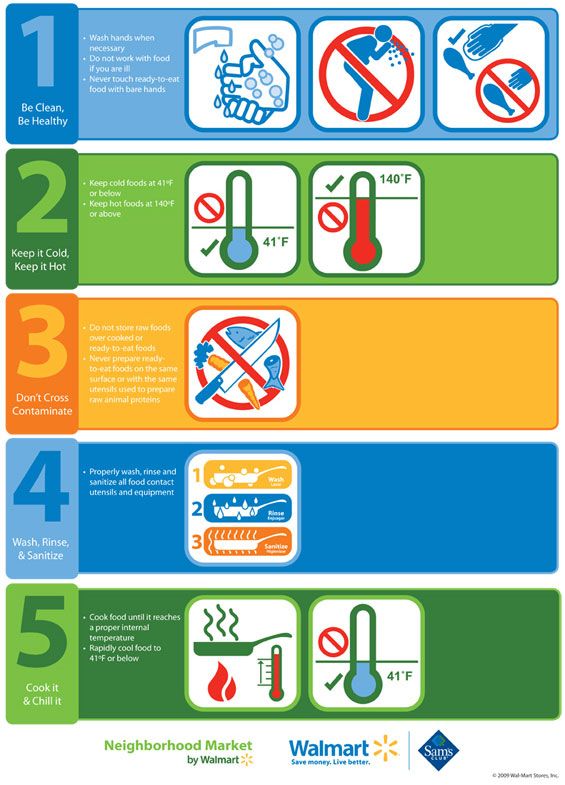
One of the most important aspects of safe food handling is maintaining the proper temperature. This includes both cooking and storing food at the right temperatures to prevent the growth of harmful bacteria. It is crucial to cook food thoroughly, especially meats, to kill any bacteria that may be present. Similarly, keeping perishable foods, such as dairy products and raw meats, refrigerated at the correct temperature will help slow down the growth of bacteria and extend their shelf life.
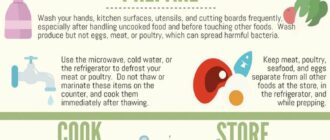
In addition to temperature control, proper handling techniques play a significant role in preventing foodborne illnesses. This includes washing your hands thoroughly before and after handling food, using separate cutting boards for raw and cooked foods, and avoiding cross-contamination. It is also important to clean and sanitize all utensils, surfaces, and kitchen equipment regularly to prevent the spread of bacteria.
A comprehensive guide to safe food handling at home should also cover proper food storage. This includes storing foods in airtight containers to prevent contamination and keeping them in the appropriate areas of the refrigerator or pantry. Additionally, it is essential to check the expiration dates on packaged foods and discard any that are past their prime.
By following these guidelines for safe food handling and storage, you can ensure the health and well-being of your family. Taking the necessary precautions and practicing good hygiene in the kitchen will help prevent foodborne illnesses and maintain the quality and freshness of your food.
The Importance of Safe Food Handling
Proper food handling is essential for maintaining the safety and quality of the food we consume at home. It involves following guidelines and practices to prevent contamination and ensure that food is stored, cooked, and handled at the correct temperature.
One of the key aspects of safe food handling is proper storage. This involves storing food in the refrigerator or freezer at the appropriate temperature to prevent the growth of harmful bacteria. It is important to separate raw meats from other foods to avoid cross-contamination and to store leftovers in airtight containers to maintain their freshness and prevent spoilage.
Cooking food thoroughly is another crucial step in safe food handling. Proper cooking kills bacteria and other pathogens that may be present in the food. Use a food thermometer to ensure that meat, poultry, and seafood reach the recommended internal temperature. It is also important to avoid consuming raw or undercooked eggs, as they can contain Salmonella bacteria.
Home food handling should also include proper hygiene practices. This includes washing hands thoroughly with soap and water before and after handling food. Additionally, surfaces, utensils, and cutting boards should be cleaned and sanitized regularly to prevent the spread of bacteria.
Following a guide to safe food handling is essential for protecting the health of yourself and your family. By practicing proper hygiene, storage, cooking, and handling techniques, you can reduce the risk of foodborne illnesses and ensure that the food you eat at home is safe and delicious.
Basic Principles of Safe Food Handling
Safe food handling is essential to prevent foodborne illnesses and ensure the health and well-being of yourself and your family. By following these basic principles, you can minimize the risk of contamination and keep your food safe.
1. Cooking: Cook food thoroughly to kill any harmful bacteria or viruses. Use a food thermometer to ensure that meat, poultry, and seafood reach the appropriate internal temperature. Avoid eating raw or undercooked foods, as they may contain harmful pathogens.
2. Storage: Proper storage is crucial to prevent the growth of bacteria. Keep perishable foods, such as meat, dairy products, and leftovers, refrigerated at or below 40°F (4°C). Store raw meat, poultry, and seafood separately from other foods to avoid cross-contamination. Use airtight containers to prevent odors and flavors from transferring between different foods.
3. Food Handling: Practice good hygiene when handling food. Wash your hands with soap and water for at least 20 seconds before and after handling raw food. Use separate cutting boards and utensils for raw and cooked foods to prevent cross-contamination. Avoid touching your face, hair, or other surfaces while preparing food.
4. Guide: Follow guidelines and instructions provided by reputable sources, such as government health agencies or food safety organizations. Stay informed about food recalls and advisories to ensure that you are not consuming potentially contaminated products. Keep up-to-date with the latest information on safe food handling practices.
5. Safe Temperature: Monitor the temperature of your refrigerator and freezer to ensure that they are set to the appropriate levels. Keep hot foods hot (above 140°F or 60°C) and cold foods cold (below 40°F or 4°C) to prevent bacterial growth. Use a food thermometer to check the internal temperature of cooked foods, especially meat, poultry, and seafood.
By following these basic principles of safe food handling, you can reduce the risk of foodborne illnesses and protect the health of yourself and your loved ones. Remember to prioritize hygiene, proper cooking, storage, and temperature control to ensure that the food you consume is safe and healthy.
Cleaning and Sanitizing
Proper cleaning and sanitizing are essential steps in ensuring safe food handling at home. By following a few simple guidelines, you can prevent the growth of harmful bacteria and keep your kitchen clean and hygienic.
First, it is important to clean all cooking utensils and surfaces thoroughly before and after use. This includes cutting boards, knives, and countertops. Use hot, soapy water to wash these items, and be sure to rinse them well to remove any soap residue. For stubborn stains or odors, you can use a mild bleach solution to sanitize the surfaces.
In addition to cleaning, proper storage of food is also crucial. Keep raw meats and seafood separate from other foods to prevent cross-contamination. Store them in sealed containers or wrap them tightly in plastic wrap to prevent any leakage. It is also important to regularly check the temperature of your refrigerator and freezer to ensure that they are set at the proper temperature to keep food safe.
Furthermore, practicing good hygiene habits is essential in maintaining a safe food handling environment. Wash your hands thoroughly with soap and warm water before and after handling food. Use paper towels or a clean cloth to dry your hands, and avoid touching your face or hair while cooking. It is also important to regularly clean and sanitize kitchen towels and sponges to prevent the spread of bacteria.
By following these guidelines for cleaning and sanitizing, you can ensure that your home is a safe and healthy environment for cooking and handling food. Remember to always practice good hygiene habits and to store food properly to prevent the growth of harmful bacteria.
Storing Food Safely
Proper storage of food is an essential part of safe food handling at home. Following a guide for storing food safely can help prevent foodborne illnesses and maintain the quality of the food you cook.
Temperature control: One of the key aspects of safe food storage is maintaining the right temperature. Refrigerators should be set at or below 40°F (4°C) to keep perishable foods cold and prevent the growth of bacteria. Freezers should be set at 0°F (-18°C) or below to keep frozen foods safe for consumption.
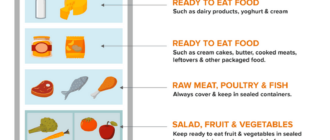
Separate raw and cooked foods: To avoid cross-contamination, it is important to store raw and cooked foods separately. Raw meats, poultry, and seafood should be stored in leak-proof containers on the bottom shelf of the refrigerator to prevent their juices from dripping onto other foods. Cooked foods should be stored in covered containers and kept above raw foods to prevent any potential contamination.
Proper packaging: Using proper packaging is crucial for safe food storage. Foods should be stored in airtight containers or wrapped tightly in plastic wrap or aluminum foil to prevent the entry of bacteria and maintain the quality of the food. Labeling the containers with the date of storage can help keep track of the freshness of the food.
First in, first out: Following the principle of “first in, first out” can help prevent food waste and maintain food quality. When storing food, place newer items behind older ones, so that the older items are used first. This ensures that food is consumed before it reaches its expiration date and reduces the chances of consuming spoiled food.
Regular cleaning and hygiene: Keeping the storage area clean and practicing good hygiene is essential for safe food storage. Clean the refrigerator and freezer regularly to remove any spills or spoiled foods. Wash your hands thoroughly before handling food and make sure all utensils and containers are clean before storing food in them.
By following these guidelines for storing food safely, you can ensure that the food you cook at home is safe to eat and of high quality.
Separating Raw and Cooked Foods
One of the key principles of safe food handling at home is separating raw and cooked foods. This is important because raw foods, such as meat, poultry, and seafood, can contain harmful bacteria that can cause foodborne illnesses if not cooked properly. By separating raw and cooked foods, you can prevent cross-contamination and reduce the risk of foodborne illnesses.
When storing raw foods, it is important to keep them separate from cooked foods to prevent the transfer of bacteria. Raw meats should be stored in leak-proof containers or sealed plastic bags to prevent any juices from coming into contact with other foods. It is also important to store raw meats on the bottom shelf of the refrigerator to prevent any drips or spills from contaminating other foods.
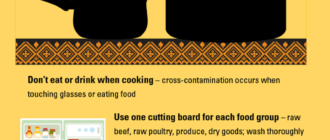
During food preparation, it is important to use separate cutting boards, utensils, and plates for raw and cooked foods. This will prevent the transfer of bacteria from raw foods to cooked foods. It is also important to wash your hands thoroughly with soap and water before and after handling raw foods to prevent the spread of bacteria.
When cooking raw foods, it is important to ensure that they reach a safe internal temperature to kill any harmful bacteria. A cooking guide or food thermometer can be used to determine the appropriate cooking temperatures for different types of foods. It is also important to avoid using the same utensils or plates that were used for raw foods on cooked foods to prevent cross-contamination.
In summary, separating raw and cooked foods is an essential step in safe food handling at home. By storing, preparing, and cooking foods properly, you can reduce the risk of foodborne illnesses and ensure the safety of your meals.
Cooking Food to Safe Temperatures
Proper cooking temperature is crucial for ensuring that food is safe to eat. Cooking food to safe temperatures kills harmful bacteria and viruses that may be present. It is important to follow guidelines for cooking different types of food to ensure that they are cooked thoroughly.
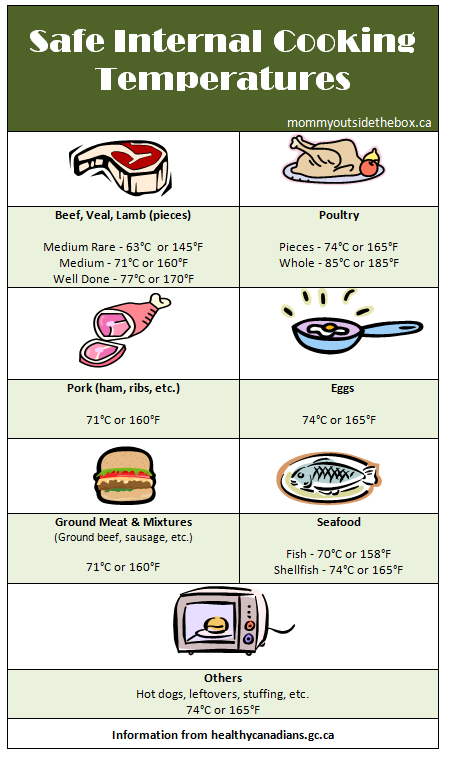
When cooking meat, poultry, and seafood, it is important to use a food thermometer to check the internal temperature. This helps to ensure that the food has reached a safe temperature and is cooked all the way through. The USDA recommends the following safe minimum internal temperatures:
- Ground meats: 160°F (71°C)
- Poultry: 165°F (74°C)
- Seafood: 145°F (63°C)
It is also important to cook leftovers to a safe temperature. Leftover foods should be reheated to an internal temperature of 165°F (74°C) to kill any bacteria that may have grown during storage.
In addition to cooking food to safe temperatures, it is important to practice good hygiene during the cooking process. This includes washing hands thoroughly before and after handling food, using separate cutting boards for raw meat and other foods, and avoiding cross-contamination.
Following a guide to safe food handling and storage is essential for preventing foodborne illnesses. By cooking food to safe temperatures and practicing good hygiene, you can help ensure that the food you prepare at home is safe to eat.
Avoiding Cross-Contamination
Cross-contamination is a major concern when it comes to food safety. It occurs when harmful bacteria from one food item is transferred to another food item, potentially causing illness if consumed. To avoid cross-contamination, it is important to follow safe food handling practices at all times.
One of the key ways to prevent cross-contamination is by keeping raw and cooked foods separate. Raw meat, poultry, and seafood should be stored in sealed containers or wrapped securely to prevent any juices from dripping onto other foods. It is also recommended to use separate cutting boards and utensils for raw and cooked foods to avoid any contact between them.
Proper storage of food is also crucial in preventing cross-contamination. Raw meats should be stored on the bottom shelf of the refrigerator to prevent any drippings from contaminating other foods. It is also important to store raw foods away from ready-to-eat foods, such as fruits and vegetables, to reduce the risk of cross-contamination.
Cooking food thoroughly is another effective way to prevent cross-contamination. Heat kills most bacteria, so it is important to cook food at the appropriate temperature to ensure its safety. Use a food thermometer to check the internal temperature of meat, poultry, and seafood, and make sure they reach the recommended safe temperatures.
Finally, proper handling of food is essential in avoiding cross-contamination. Always wash your hands with soap and warm water before and after handling food. Use separate cutting boards and utensils for different types of foods, and clean them thoroughly with hot, soapy water after each use. Regularly clean and sanitize kitchen surfaces, countertops, and utensils to maintain a safe and hygienic food preparation environment.
By following these guidelines and practicing safe food handling at home, you can greatly reduce the risk of cross-contamination and ensure the safety of the food you prepare and consume.
Safe Thawing Methods
Thawing food properly is an essential step in safe food handling at home. Improper thawing can lead to the growth of harmful bacteria and can increase the risk of foodborne illnesses. This guide provides you with safe thawing methods to ensure that your food remains safe and delicious.
1. Refrigerator Thawing: The best and safest method for thawing food is to place it in the refrigerator. This method requires planning ahead, as it can take several hours or even overnight for larger items. Make sure to place the food in a leak-proof container to prevent cross-contamination with other foods.
2. Cold Water Thawing: If you need to thaw food quickly, you can use the cold water thawing method. Place the food in a sealed plastic bag and submerge it in cold water. Change the water every 30 minutes to ensure that it stays cold. This method is faster than refrigerator thawing but requires more attention to maintain a safe temperature.
3. Microwave Thawing: The microwave can also be used to thaw food, but it is important to follow the manufacturer’s instructions. Use the defrost setting and make sure to rotate and turn the food during the process to ensure even thawing. Be cautious as some parts of the food may start cooking during the thawing process.
4. Cooking Without Thawing: In some cases, you can cook frozen food without thawing it. This method is suitable for small cuts of meat or poultry, as long as they are cooked at a higher temperature for a longer time. However, it is important to note that this method may result in uneven cooking and can affect the texture of the food.
Remember, proper thawing is just one step in ensuring safe food handling at home. Always practice good hygiene, such as washing hands before and after handling food, and maintaining proper storage and cooking temperatures to prevent foodborne illnesses.
Handling Leftovers
Properly handling leftovers is an important part of safe food handling at home. Leftover food can be a convenient and delicious option for future meals, but it’s crucial to handle them with care to prevent foodborne illnesses.
When it comes to handling leftovers, a guide to safe food handling can help ensure that you follow the necessary steps. First and foremost, it’s essential to practice good hygiene by washing your hands before and after handling leftover food. This helps to prevent the spread of bacteria and other harmful microorganisms.
Another important aspect of handling leftovers is to pay attention to the temperature. Hot food should be cooled down quickly before refrigerating or freezing to minimize the risk of bacterial growth. It’s recommended to divide large portions of food into smaller containers to speed up the cooling process.
Proper storage is also key to safe handling of leftovers. Store leftover food in airtight containers or wrap them tightly in foil or plastic wrap to prevent contamination and maintain freshness. Label the containers with the date to keep track of how long the leftovers have been stored.
When it comes to reheating leftovers, it’s important to do so thoroughly. Make sure the food reaches a safe internal temperature to kill any bacteria that may have grown during storage. Use a food thermometer to check the temperature and ensure it reaches at least 165°F (74°C).
By following this guide to safe food handling, you can enjoy your leftovers without worrying about foodborne illnesses. Remember to practice good hygiene, pay attention to temperature, store leftovers properly, and thoroughly reheat them before consuming. This will help ensure that your leftovers are safe and delicious to eat.
Safe Handling of Fruits and Vegetables
Proper handling of fruits and vegetables is essential for maintaining food safety in the home. By following basic hygiene practices, you can reduce the risk of foodborne illness and ensure that your produce stays fresh and nutritious.
Washing: Before handling fruits and vegetables, it is important to wash your hands thoroughly with soap and warm water. This helps to remove any dirt or bacteria that may be present on your hands. Additionally, you should wash all fruits and vegetables under running water before consuming or preparing them. This helps to remove any dirt, pesticides, or bacteria that may be present on the surface.
Storage: Proper storage of fruits and vegetables is crucial for maintaining their quality and safety. Some fruits and vegetables, such as apples and potatoes, can be stored at room temperature. However, others, like berries and leafy greens, should be stored in the refrigerator to prevent spoilage. It is important to store fruits and vegetables separately from raw meat, poultry, and seafood to avoid cross-contamination.
Temperature: Keeping fruits and vegetables at the appropriate temperature is important for preventing the growth of bacteria. Perishable fruits and vegetables should be stored at temperatures below 40°F (4°C) to slow down bacterial growth. It is important to check the temperature of your refrigerator regularly to ensure that it is set at the proper level.
Handling: When handling fruits and vegetables, it is important to handle them with clean hands or utensils. Avoid touching your face, hair, or any other objects while handling produce. It is also important to use separate cutting boards and utensils for fruits and vegetables to prevent cross-contamination with raw meat, poultry, and seafood.
Guide: For more detailed information on safe handling of fruits and vegetables, refer to the FDA’s guide on safe food handling. This guide provides comprehensive information on proper washing, storage, and handling techniques to ensure the safety of your produce.
Safe Handling of Eggs and Dairy Products
When it comes to handling eggs and dairy products, proper hygiene and storage are essential for ensuring food safety at home. Following a guide for safe handling can help minimize the risk of foodborne illnesses and ensure that these perishable items stay fresh and safe to consume.
Hygiene: Before handling eggs and dairy products, it is important to wash your hands thoroughly with soap and warm water. This helps to remove any bacteria or contaminants that may be present on your hands and reduces the risk of cross-contamination.
Storage: Eggs should be stored in the refrigerator at a temperature below 40°F (4°C) to prevent bacterial growth. It is best to store eggs in their original carton to protect them from absorbing odors and flavors from other foods in the refrigerator. Dairy products, such as milk and cheese, should also be stored in the refrigerator and kept at the appropriate temperature to maintain their freshness.
Handling: When handling eggs, it is important to check for any cracks or damage before using them. Cracked eggs should be discarded as they can harbor bacteria. It is also important to handle eggs with clean utensils and avoid using them directly on countertops or other surfaces that may contain bacteria.
When it comes to dairy products, it is important to follow the expiration dates and use them before they expire. This ensures that you are consuming fresh and safe products. Additionally, it is important to avoid cross-contamination by using separate utensils and cutting boards for different dairy products to prevent the spread of bacteria.
In conclusion, safe handling of eggs and dairy products at home is crucial for maintaining food safety. By following proper hygiene practices, storing these items at the correct temperature, and handling them with care, you can reduce the risk of foodborne illnesses and enjoy fresh and safe eggs and dairy products.
Safe Handling of Meats and Poultry
Proper handling and cooking of meats and poultry is essential to prevent foodborne illnesses at home. Here are some guidelines to ensure the safe handling of these products:
- Storage: Store raw meats and poultry in separate containers or sealed plastic bags on the bottom shelf of the refrigerator to prevent cross-contamination. Keep them away from ready-to-eat foods.
- Hygiene: Wash your hands thoroughly with soap and warm water before and after handling raw meats and poultry. Use separate cutting boards and utensils for raw and cooked foods to avoid cross-contamination.
- Temperature: Cook meats and poultry to the recommended internal temperature to kill any harmful bacteria. Use a food thermometer to ensure the proper cooking temperature is reached.
- Handling: When handling raw meats and poultry, avoid touching your face, hair, or other surfaces to prevent the spread of bacteria. Dispose of any packaging materials properly to avoid contamination.
- Cooking: Cook meats and poultry thoroughly to destroy any bacteria that may be present. Follow the recommended cooking times and temperatures for different types of meats and poultry.
By following these guidelines, you can ensure the safe handling and cooking of meats and poultry at home, reducing the risk of foodborne illnesses. Remember to always practice good hygiene and proper cooking techniques to keep you and your family safe.
Safe Handling of Seafood
Seafood can be a delicious and healthy addition to your diet, but it’s important to handle it safely to prevent foodborne illnesses. Follow these guidelines to ensure the safe handling of seafood at home:
- Buy from a reputable source: When purchasing seafood, make sure to buy from a trusted supplier. Look for fresh fish that is displayed on ice and has a mild smell. Avoid seafood that appears slimy, discolored, or has an off-putting odor.
- Practice good hygiene: Wash your hands thoroughly with soap and warm water before and after handling seafood. This will help prevent the spread of bacteria and other contaminants.
- Proper storage: Seafood is highly perishable, so it’s important to store it correctly. Keep seafood refrigerated at a temperature below 40°F (4°C) and use it within two days of purchase. If you don’t plan to use it immediately, you can also freeze seafood for later use.
- Cook seafood to the right temperature: Seafood should be cooked to an internal temperature of 145°F (63°C) to ensure that harmful bacteria are killed. Use a food thermometer to check the temperature of the thickest part of the seafood.
- Follow a guide for cooking times: Different types of seafood require different cooking times. Consult a reliable cooking guide or recipe to ensure that you cook seafood for the appropriate amount of time. Overcooking seafood can result in a rubbery texture, while undercooking can leave it unsafe to eat.
- Avoid cross-contamination: Prevent cross-contamination by keeping seafood separate from other foods, especially those that will be consumed raw. Use separate cutting boards, utensils, and plates for seafood to avoid the spread of bacteria.
- Be cautious with shellfish: Shellfish, such as oysters and clams, can be particularly risky if not handled properly. Make sure to purchase shellfish from reputable sources and discard any that don’t open during cooking.
By following these guidelines, you can safely enjoy the benefits of seafood while minimizing the risk of foodborne illnesses. Remember to always prioritize safe handling practices in your home kitchen.
Safe Handling of Canned Foods
Canned foods are a convenient and long-lasting option for storing and cooking food at home. However, it is important to handle them safely to prevent any contamination or spoilage.
Firstly, it is crucial to check the storage conditions of canned foods. Make sure to store them in a cool, dry place away from direct sunlight and extreme temperatures. High temperatures can cause the food to spoil, while low temperatures can affect the quality and taste.
When handling canned foods, always check for any signs of damage or bulging cans. If you notice any dents, leaks, or bulges, it is best to discard the can as it may be a sign of bacterial contamination. Additionally, avoid using cans that have expired or are past their best before dates.
Before opening a can, it is important to wash your hands thoroughly with soap and water. This helps to remove any bacteria or germs that may be on your hands. Once the can is opened, be sure to use the contents within a reasonable time to prevent any bacterial growth.
If you plan to cook canned food, it is recommended to transfer the contents to a clean, microwave-safe container before heating. This helps to ensure even cooking and prevents any potential contamination from the can. Remember to follow the cooking instructions provided on the label for the best results.
In conclusion, following the proper guidelines for the storage, handling, and cooking of canned foods is essential to ensure their safety. By taking these precautions, you can enjoy the convenience and long shelf life of canned foods without compromising your health.
Safe Handling of Packaged Foods
Proper storage: When it comes to packaged foods, it is important to store them correctly to maintain their freshness and safety. Always check the label for any specific storage instructions, such as keeping the product refrigerated or at room temperature. Follow these instructions carefully to prevent spoilage and maintain the quality of the food.
Safe handling: When handling packaged foods, it is crucial to maintain good hygiene practices. Wash your hands thoroughly with soap and water before and after handling any food products. This helps to prevent the transfer of bacteria and other harmful microorganisms. Additionally, use clean utensils and surfaces when opening and serving packaged foods to avoid contamination.
Proper temperature: Temperature control is key to ensuring the safety of packaged foods. Keep perishable items, such as meats and dairy products, refrigerated at the appropriate temperature to prevent bacterial growth. On the other hand, some packaged foods may require cooking or reheating to a specific internal temperature to eliminate any potential pathogens. Use a food thermometer to ensure that the food reaches the recommended temperature.
Reading the label: The label on packaged foods provides important information regarding the product’s ingredients, nutritional value, and storage instructions. Take the time to read and understand the label before purchasing and consuming the food. Pay attention to any allergen information, expiration dates, and proper handling instructions to ensure safe consumption.
Following a guide: If you are unsure about the safe handling of a particular packaged food, consult a reliable guide or resource. There are numerous online sources, books, and government publications available that provide comprehensive information on safe food handling practices. Following a guide can help you make informed decisions and minimize the risk of foodborne illnesses at home.
Safe Handling of Takeout and Delivery Foods
When it comes to ordering takeout or delivery food, it is important to prioritize safety in order to protect yourself and your family. One of the key factors to consider is the temperature of the food. Make sure that hot foods are delivered hot and cold foods are delivered cold. This is crucial to prevent the growth of bacteria that can cause foodborne illnesses.
Hygiene is another important aspect to consider when handling takeout and delivery foods. It is essential to wash your hands thoroughly before and after handling the food. Additionally, make sure that the delivery person follows proper hygiene practices, such as wearing gloves and using clean containers to pack the food.
When it comes to cooking, it is recommended to reheat the takeout or delivery food thoroughly before consuming it. Use a food thermometer to ensure that the food reaches a safe temperature, typically around 165°F (74°C). This will help kill any bacteria that may be present in the food.
Safe storage is also crucial when handling takeout and delivery foods. If you are not planning to consume the food immediately, refrigerate it promptly. Leftover food should be stored in airtight containers to prevent cross-contamination and should be consumed within a few days to ensure its freshn