Keeping Your Kitchen Knives Sharp and Safe: A How-To Guide
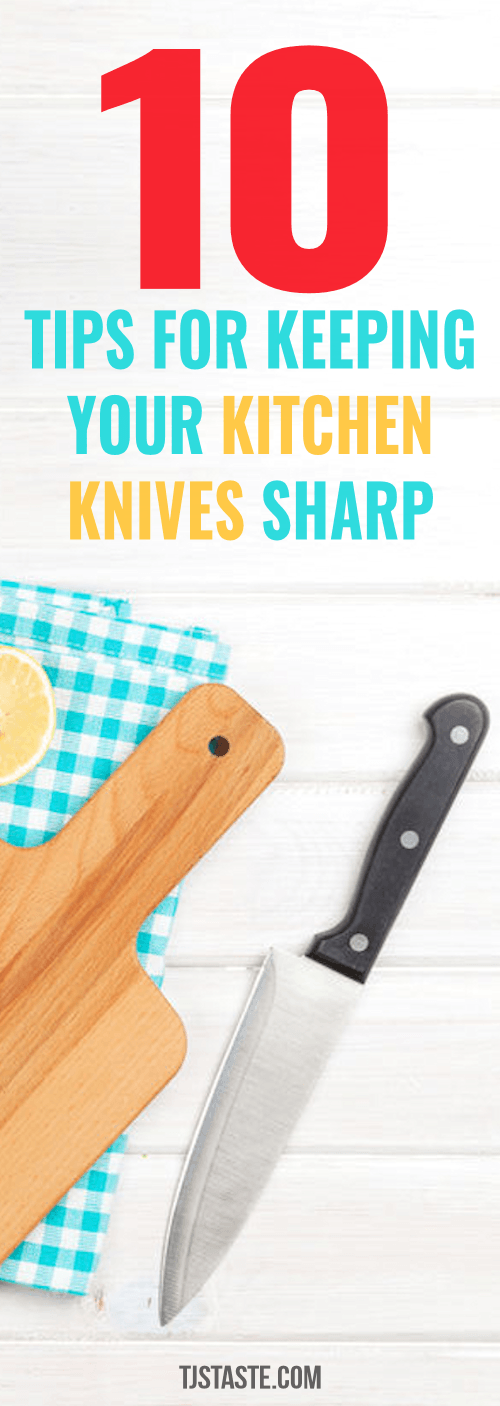
Having sharp and well-maintained knives is essential for any kitchen enthusiast. Not only does it make your cooking experience more enjoyable, but it also ensures safety in the kitchen. In this comprehensive guide, we will explore the various techniques and tips for keeping your kitchen knives sharp and safe.
First and foremost, it is important to understand the importance of regular maintenance. Knives that are not properly maintained can become dull and inefficient, making it difficult to achieve precise cuts. By regularly honing and sharpening your knives, you can ensure that they remain sharp and ready for use.
One of the key steps in knife maintenance is honing. Honing involves realigning the edge of the blade, which can become slightly misaligned with regular use. By using a honing steel, you can easily correct any misalignment and restore the sharpness of your knife. It is recommended to hone your knives before each use to maintain their sharpness.
In addition to honing, sharpening your knives is also necessary to maintain their performance. Sharpening removes a small amount of metal from the blade to create a new, sharp edge. There are various sharpening tools available, such as whetstones and electric sharpeners, each with its own technique. It is important to choose the right method for your knives and practice proper technique to avoid damaging the blades.
Lastly, it is crucial to store your knives properly to ensure their longevity and safety. Avoid storing knives in a cluttered drawer where they can easily become damaged or cause accidents. Instead, consider using a knife block or magnetic strip to keep your knives organized and easily accessible. Additionally, always remember to handle knives with care and use cutting boards that are gentle on the blade to prevent unnecessary wear and tear.
By following these tips and techniques, you can master the art of knife maintenance and keep your kitchen knives sharp and safe for years to come. With sharp knives, you can effortlessly create culinary masterpieces and enjoy the pleasure of cooking.
Mastering the Art of Knife Maintenance
Keeping your kitchen knives sharp and safe is an essential skill for any home cook. A dull knife is not only frustrating to use, but it can also be dangerous. In this comprehensive guide, we will show you how to properly maintain your kitchen knives to ensure they stay sharp and safe to use.
Firstly, it is important to understand the importance of regular knife maintenance. By keeping your knives sharp, you will not only make your cutting tasks easier and more efficient, but you will also reduce the risk of accidents. Dull knives require more force to cut through food, increasing the chances of slipping and cutting yourself. Therefore, investing time in maintaining your knives is crucial for both your cooking experience and your safety.
There are several techniques and tools you can use to keep your knives sharp. One popular method is using a honing rod to realign the blade’s edge. By running the knife along the rod at a 20-degree angle, you can straighten any misalignments in the blade, resulting in a sharper edge. Additionally, a sharpening stone or whetstone can be used to remove any nicks or imperfections in the blade, creating a smooth and sharp cutting surface.
Another important aspect of knife maintenance is proper storage. Storing your knives in a safe and secure manner will not only protect the blades from damage but also prevent accidents in the kitchen. Using a knife block or a magnetic strip is a great way to keep your knives organized and easily accessible while keeping the blades protected. Avoid storing knives in drawers or leaving them loose on the countertop, as this can lead to unnecessary wear and tear.
In conclusion, mastering the art of knife maintenance is essential for any home cook. By following this comprehensive guide, you will learn how to keep your kitchen knives sharp and safe, improving your cutting skills and reducing the risk of accidents. Remember to regularly hone and sharpen your knives, as well as store them properly, to ensure they stay in optimal condition for years to come.
A Comprehensive Guide to Keeping Your Kitchen Knives Sharp and Safe
Are your kitchen knives starting to lose their edge? Don’t worry, this comprehensive guide will show you how to keep your knives sharp and safe for all your culinary needs.
First and foremost, it’s important to understand the importance of regular knife maintenance. By taking a few minutes each week to care for your knives, you can ensure they stay sharp and efficient, making your kitchen tasks easier and safer.
One of the key steps in maintaining sharp knives is proper storage. Storing your knives in a knife block or on a magnetic strip helps to protect the blades from damage and keeps them within easy reach. Avoid storing them loose in a drawer, as this can cause the blades to become dull and potentially dangerous.
Another crucial aspect of knife maintenance is regular honing. Honing your knives with a honing rod or sharpening steel helps to realign the blade’s edge and remove any microscopic burrs that can affect cutting performance. This should be done before each use to keep your knives in top condition.
In addition to regular honing, occasional sharpening is necessary to maintain a truly sharp edge. There are several methods for sharpening knives, including using a whetstone, a knife sharpener, or sending them to a professional. Whichever method you choose, be sure to follow the manufacturer’s instructions and take care to maintain the proper angle while sharpening.
Lastly, always remember to handle your knives with care. Keep your fingers away from the blade and use a cutting board to protect both the knife and your countertops. Avoid using your knives on hard surfaces, such as glass or ceramic, as this can cause the blade to chip or become damaged.
By following this comprehensive guide, you can ensure that your kitchen knives remain sharp and safe for years to come. So, take the time to care for your knives and enjoy the benefits of precise, effortless cutting in your culinary adventures!
Understanding the Importance of Knife Maintenance
Keeping your kitchen knives sharp and safe is essential for any home cook or professional chef. Proper knife maintenance not only ensures that your knives stay in optimal condition, but also helps to prevent accidents and injuries in the kitchen.
By regularly sharpening and honing your knives, you can maintain their sharpness and cutting performance. Dull knives not only make your cutting tasks more difficult, but they also increase the risk of slips and accidents. A sharp knife requires less force to cut through food, reducing the chances of the knife slipping and potentially causing injury.
In addition to sharpening, proper knife maintenance involves cleaning and storing your knives correctly. Cleaning your knives after each use helps to remove any food particles or debris that can cause corrosion or damage to the blade. Storing your knives in a knife block or on a magnetic strip helps to protect the blade and prevents accidents caused by loose knives in drawers.
A comprehensive guide on knife maintenance will provide you with step-by-step instructions on how to properly sharpen, hone, clean, and store your knives. It will also cover important safety tips, such as how to hold a knife correctly and how to use a cutting board safely. By following this guide, you can ensure that your knives stay sharp, safe, and ready for use in your kitchen.
Why Regular Maintenance is Crucial for Knife Performance and Safety
Keeping your kitchen knives in good condition is essential for maintaining their performance and ensuring your safety. Regular maintenance not only helps to keep your knives sharp, but it also helps to prevent accidents and injuries in the kitchen.
Proper maintenance involves a combination of techniques, including cleaning, sharpening, and storing your knives correctly. By following a regular maintenance routine, you can extend the lifespan of your knives and ensure that they always perform at their best.
A well-maintained knife is not only safer to use, but it also makes your tasks in the kitchen more efficient. A sharp knife requires less force to cut through food, reducing the risk of slips and cuts. Additionally, a properly maintained knife allows for more precise and controlled cuts, improving the overall quality of your cooking.
Understanding how to properly maintain your knives is essential. Regular cleaning removes built-up dirt and debris, preventing corrosion and rust. Sharpening your knives on a regular basis ensures that the blades remain sharp and effective. Proper storage, such as using a knife block or sheath, helps to protect the blades from damage and reduces the risk of accidents when reaching for a knife.
By following a comprehensive maintenance guide, you can ensure the longevity and performance of your kitchen knives. Regular maintenance not only keeps your knives safe to use, but it also enhances your cooking experience by providing you with reliable and efficient tools in the kitchen.
Choosing the Right Knife Maintenance Tools
When it comes to keeping your kitchen knives safe and sharp, having the right tools is essential. Here is a guide on how to choose the best maintenance tools for your knives:
- Sharpening Stone: A sharpening stone is a crucial tool for maintaining the sharpness of your knives. Look for a high-quality stone with a fine grit for a finer edge.
- Honing Rod: A honing rod is used to straighten the edge of the knife and keep it aligned. Choose a rod that matches the hardness of your knife’s steel and has a smooth surface for optimal results.
- Knife Sharpener: If you prefer a more convenient option, a knife sharpener is a great tool to have. There are various types available, including electric and manual sharpeners, each with its own advantages. Consider your needs and preferences when selecting a sharpener.
- Cutting Board: A good cutting board is essential for knife maintenance. Opt for a board made of wood or plastic that is gentle on the blade and won’t dull it quickly.
- Knife Storage: Proper storage is crucial for the longevity of your knives. Invest in a knife block or magnetic strip to keep your knives organized and protected.
By choosing the right maintenance tools for your knives, you can ensure they stay sharp and safe for years to come. Remember to regularly clean and dry your knives after each use to prevent corrosion and maintain their performance.
Essential Tools for Proper Knife Care and Maintenance
Keeping your kitchen knives sharp and safe requires the right tools. Here are some essential tools you’ll need to properly care for and maintain your knives:
- Sharpening Stone: A sharpening stone is a must-have tool for keeping your knives sharp. It’s important to choose a stone with the appropriate grit for your knives.
- Honing Rod: A honing rod is used to realign the blade of your knife, keeping it straight and sharp. Regular honing helps maintain the edge of your knife between sharpenings.
- Cutting Board: A good quality cutting board is essential for protecting the edge of your knife. Choose a cutting board made of wood or plastic that won’t dull the blade.
- Knife Storage: Proper storage is important for keeping your knives safe and in good condition. Consider investing in a knife block, magnetic strip, or blade guards to protect your knives.
- Knife Sharpener: In addition to a sharpening stone, a knife sharpener can be a useful tool for quick touch-ups. Electric and manual sharpeners are available, so choose one that suits your needs.
- Knife Oil: To prevent rust and corrosion, it’s important to keep your knives oiled. Use a food-safe oil, such as mineral oil, to lubricate the blades and protect them from moisture.
By having these essential tools on hand, you’ll be well-equipped to keep your kitchen knives sharp and safe for years to come.
Knife Sharpening Techniques
Keeping your kitchen knives sharp is essential for efficient and safe cooking. In this guide, we will walk you through the different knife sharpening techniques to help you maintain your knives and ensure they stay sharp for longer.
1. Honing: Honing is a technique used to maintain the sharpness of your knives between sharpenings. It involves using a honing rod or steel to realign the blade’s edge, keeping it straight and sharp. To hone your knife, hold the rod at a slight angle and run the blade along its length, starting from the base to the tip.
2. Whetstone Sharpening: Whetstone sharpening is a traditional method that allows you to restore a dull blade to its optimal sharpness. To sharpen your knife with a whetstone, wet the stone with water and hold it firmly on a stable surface. Place the blade at a 20-degree angle and move it back and forth across the stone, maintaining a consistent pressure.
3. Electric Knife Sharpener: An electric knife sharpener is a convenient tool for quickly and efficiently sharpening your knives. Simply insert the blade into the designated slot and let the machine do the work. Electric sharpeners use rotating abrasive wheels to sharpen the blade to the desired sharpness.
4. Professional Knife Sharpening Services: If you’re not confident in sharpening your knives yourself, you can always seek professional knife sharpening services. These services have the expertise and specialized equipment to restore your knives to their original sharpness. They can also provide advice on proper knife maintenance to prolong their lifespan.
Remember, a sharp knife is not only safer to use, but it also makes your kitchen tasks more efficient. By following these knife sharpening techniques, you can ensure that your knives stay sharp and safe for all your culinary adventures.
Step-by-Step Guide to Sharpening Your Kitchen Knives
Keeping your kitchen knives sharp is essential for efficient and safe cooking. Dull knives can be dangerous and can also make your cooking experience frustrating. In this how-to guide, we will walk you through the steps to sharpen your kitchen knives effectively.
Step 1: Gather your materials
Before you begin sharpening your knives, make sure you have the necessary materials. You will need a sharpening stone or whetstone, water or oil for lubrication, and a towel or cloth to clean your knives.
Step 2: Prepare the sharpening stone
Next, soak your sharpening stone in water or apply oil according to the manufacturer’s instructions. This will ensure that the stone is properly lubricated for sharpening.
Step 3: Hold the knife at the correct angle
Hold the knife firmly with one hand and position the blade against the sharpening stone at a 20-degree angle. This angle will vary depending on the type of knife, so consult the knife’s manufacturer or a sharpening guide for the correct angle.
Step 4: Begin sharpening
Using a consistent motion, move the knife blade along the sharpening stone, starting from the base of the blade and working towards the tip. Apply light pressure and repeat this motion several times on each side of the blade.
Step 5: Test the sharpness
After sharpening, carefully test the sharpness of the knife by gently running your finger along the edge. Be cautious to avoid any cuts. If the blade feels sharp and cuts through paper or food with ease, you have successfully sharpened your knife.
Step 6: Clean and store your knives
Once you have finished sharpening your knives, clean them thoroughly with a towel or cloth to remove any metal particles. Store them in a safe and dry place to prevent any damage to the newly sharpened blades.
By following this step-by-step guide, you can keep your kitchen knives sharp and ensure a smooth and enjoyable cooking experience. Remember to exercise caution while sharpening and handling knives to avoid any accidents.
Honing vs. Sharpening: What’s the Difference?
When it comes to keeping your kitchen knives sharp and safe, understanding the difference between honing and sharpening is essential. While both processes involve maintaining the sharpness of your knives, they serve different purposes and require different tools.
Honing is the process of realigning the edge of a knife blade. Over time, the metal of the blade can become misaligned, causing the knife to lose its sharpness. Honing involves using a honing rod or honing steel to gently push the blade back into alignment. This process does not actually remove any metal from the blade, but rather straightens the existing edge.
Sharpening, on the other hand, is the process of removing material from the blade to create a new, sharp edge. This is typically done using a sharpening stone or an electric knife sharpener. Sharpening is a more intensive process than honing and is necessary when the blade has become dull or damaged.
Knowing when to hone and when to sharpen your knives is important for maintaining their performance and longevity. As a general rule, honing should be done regularly, even as often as before each use, to keep the edge aligned and the knife performing at its best. Sharpening, on the other hand, is typically only needed when the blade has become noticeably dull or damaged.
By understanding the difference between honing and sharpening, and knowing how to properly perform each process, you can ensure that your kitchen knives remain sharp, safe, and ready for any culinary challenge.
Understanding the Distinction Between Honing and Sharpening Your Knives
When it comes to keeping your kitchen knives sharp and safe, understanding the distinction between honing and sharpening is essential. While both processes aim to maintain the sharpness of your knives, they serve different purposes and require different techniques.
Honing is a technique used to maintain the sharpness of a knife’s edge. It involves using a honing rod or steel to realign the edge of the blade, which can become misaligned with regular use. Honing does not actually remove any metal from the blade, but rather straightens and smooths out the edge, making it more effective at cutting.
On the other hand, sharpening is a more intensive process that involves removing a small amount of metal from the blade to create a new edge. This is typically done using a sharpening stone or an electric knife sharpener. Sharpening is necessary when a knife’s edge has become dull and honing is no longer sufficient to restore its sharpness.
Knowing when to hone and when to sharpen your knives is crucial for maintaining their performance and prolonging their lifespan. In general, honing should be done regularly, ideally before or after each use, to ensure that the knife’s edge remains sharp. Sharpening, on the other hand, is typically done less frequently, depending on how often the knife is used and how quickly it becomes dull.
By understanding the distinction between honing and sharpening, and following the proper techniques for each, you can keep your kitchen knives sharp, safe, and ready for any culinary challenge that comes your way.
Proper Knife Storage Methods
Keeping your kitchen knives sharp and safe requires not only regular maintenance but also proper storage methods. By storing your knives correctly, you can prevent accidents and ensure the longevity of your blades.
One effective way to store your knives is by using a knife block or a knife magnet. Knife blocks are usually made of wood and have slots to hold each knife securely in place. This not only keeps the blades protected but also prevents them from coming into contact with other utensils or getting damaged. Knife magnets, on the other hand, allow you to store your knives on a wall or cabinet, keeping them easily accessible while also saving counter space.
Another option for proper knife storage is a knife sheath or blade guard. These are usually made of plastic or fabric and are designed to cover and protect the blade. Sheaths and blade guards are particularly useful when storing knives in a drawer or when traveling, as they provide an extra layer of protection and prevent accidental cuts.
It is important to note that when storing knives, they should always be clean and dry. Any moisture or food residue left on the blades can lead to rust or corrosion. Therefore, before storing your knives, make sure to wash them thoroughly and dry them completely.
Lastly, consider using a knife roll or a knife case if you have a collection of knives that you need to transport or store safely. These storage solutions often have individual compartments or pockets for each knife, allowing for easy organization and preventing any potential damage or accidents.
Best Practices for Storing Your Kitchen Knives to Prolong Their Lifespan
Properly storing your kitchen knives is crucial for maintaining their sharpness and prolonging their lifespan. Follow these best practices to ensure that your knives stay in top condition:
- Use a knife block or magnetic strip: A knife block or magnetic strip is an excellent way to store your knives safely and conveniently. It keeps the blades protected and prevents them from coming into contact with other utensils, which can cause damage.
- Avoid storing knives in drawers: Storing knives in drawers without proper protection can lead to blades getting dull or chipped. If you must store them in a drawer, consider using a knife guard or blade sleeve to protect the blades.
- Keep knives away from moisture: Moisture can cause rust and corrosion on the blades of your knives. Make sure to dry your knives thoroughly before storing them and avoid storing them in a damp environment.
- Store knives in a designated spot: Having a designated spot for your knives helps you keep them organized and prevents accidental damage. It also makes it easier for you to find the knife you need when cooking.
- Protect the blades: To prevent accidental cuts and maintain the sharpness of your knives, consider using blade guards or sheaths. These protective covers help to keep the blades safe and prevent them from getting dull when stored.
- Regularly clean and oil your knives: Before storing your knives, make sure to clean them thoroughly and dry them properly. Applying a thin layer of food-safe oil to the blades can help prevent rust and keep them in optimal condition.
By following these best practices, you can ensure that your kitchen knives remain sharp, safe, and in excellent condition for years to come.
Cleaning and Maintaining Knife Handles
Properly cleaning and maintaining the handles of your kitchen knives is essential for keeping them in top shape and ensuring their longevity. The handle of a knife not only provides a comfortable grip, but it also plays a crucial role in keeping your hand safe while cutting. Here is a how-to guide on cleaning and maintaining knife handles to help you keep your kitchen knives sharp and safe.
1. Regular Cleaning: To clean the handles of your knives, start by wiping them down with a damp cloth or sponge. Avoid using abrasive cleaners or scrub brushes, as they can damage the handle material. For stubborn stains or grime, use a mild dish soap diluted in water and gently scrub the handle with a soft brush or toothbrush. Rinse with clean water and dry thoroughly.
2. Avoid Excessive Moisture: Moisture can cause damage to the handle material over time, so it’s important to avoid excessive exposure to water. After cleaning, make sure to dry the handles completely before storing them. If the handles are made of wood, consider applying a thin coat of mineral oil or beeswax to protect them from moisture.
3. Handle Repair: If you notice any cracks or damage to the handle, it’s crucial to address it promptly to prevent further deterioration. Depending on the material, you may be able to repair the handle yourself or seek professional assistance. For wooden handles, sanding and refinishing can help restore them to their original condition. For other materials such as plastic or composite, contacting the manufacturer or a professional knife repair service is recommended.
4. Handle Replacement: In some cases, the damage to the handle may be beyond repair, or you may simply want to upgrade the handle for aesthetic or ergonomic reasons. Many knife manufacturers offer replacement handles that can be easily installed. Make sure to choose a handle that is compatible with your knife’s blade and follow the manufacturer’s instructions for installation.
5. Storage: Proper storage is essential for maintaining the condition of your knife handles. Avoid storing knives in a crowded drawer where they can rub against other utensils, causing scratches or damage. Instead, consider using a knife block, magnetic strip, or knife roll to keep your knives organized and protected.
In conclusion, cleaning and maintaining the handles of your kitchen knives is an important part of knife maintenance. By following these guidelines, you can ensure that your knife handles remain in good condition, providing a safe and comfortable grip for years to come.
Tips for Keeping Your Knife Handles Clean and in Good Condition
When it comes to keeping your kitchen knives in top shape, it’s important not to overlook the handles. While the blade may be the star of the show, the handle plays a crucial role in the knife’s overall performance and safety. Here are some tips to help you keep your knife handles clean and in good condition:
- Regularly wipe down the handles: After each use, take a moment to wipe down the knife handles with a damp cloth or sponge. This will help remove any food particles or residue that may have accumulated during use.
- Avoid soaking the handles: While it’s important to keep your knives clean, it’s equally important to avoid soaking the handles in water. Excessive exposure to water can cause the handles to swell or warp over time, compromising their durability and grip.
- Use mild soap for stubborn stains: If you encounter stubborn stains or residue on the handles, use a mild dish soap and warm water to gently scrub the affected area. Avoid using abrasive cleaners or scrub brushes, as they can cause damage to the handle’s surface.
- Dry thoroughly: After cleaning, make sure to dry the handles thoroughly with a clean towel. Moisture left on the handles can lead to bacterial growth or rust formation, so it’s important to remove all traces of water.
- Apply a protective oil or wax: To keep your knife handles in good condition, consider applying a thin layer of food-safe oil or wax. This will help protect the handles from moisture and prevent them from drying out or cracking over time.
- Store knives properly: When not in use, it’s important to store your knives in a safe and secure manner. Avoid placing them in a crowded drawer where they can rub against other utensils, as this can cause scratches or damage to the handles. Consider using a knife block or magnetic strip to keep your knives organized and protected.
By following these tips, you can ensure that your knife handles remain clean, comfortable to hold, and in good condition for years to come. Remember, proper knife maintenance is essential for keeping your kitchen knives sharp and safe.
Preventative Maintenance for Knife Blades
Keeping your kitchen knives sharp and safe is essential for efficient and enjoyable cooking. Regular preventative maintenance is the key to ensuring that your knives stay in top condition and perform at their best. This comprehensive guide will provide you with a step-by-step how-to on maintaining your knife blades.
1. Cleaning: Properly cleaning your knives after each use is crucial for preventing corrosion and maintaining their sharpness. Use warm soapy water and a soft sponge or cloth to remove any food residue. Avoid using abrasive materials or harsh chemicals that can damage the blade.
2. Drying: After cleaning, make sure to thoroughly dry your knives to prevent moisture from causing rust. Use a clean towel or paper towel to remove any excess water. Pay special attention to the handle and the area where the blade meets the handle, as these are common spots for water to accumulate.
3. Storing: Proper storage is essential for keeping your knives safe and preventing them from becoming dull or damaged. Consider using a knife block, a magnetic strip, or a knife sheath to protect the blades and keep them organized. Avoid storing knives in a drawer where they can rub against other utensils and become dull.
4. Honing: Regularly honing your knife blades helps maintain their sharpness and prolongs the time between sharpenings. Use a honing steel or a honing rod to realign the blade’s edge. Hold the knife at a 20-degree angle and gently swipe the blade along the honing steel, starting from the base to the tip.
5. Sharpening: When honing is no longer effective in restoring the knife’s sharpness, it’s time to sharpen the blade. Sharpening can be done using a whetstone, a knife sharpener, or by taking your knives to a professional. Follow the manufacturer’s instructions or seek guidance from a professional to ensure proper sharpening.
By following these preventative maintenance tips, you can keep your kitchen knives in excellent condition for years to come. Remember to handle your knives with care, avoid using them on hard surfaces, and always store them properly to maintain their sharpness and ensure your safety in the kitchen.
How to Prevent Rust and Corrosion on Your Knife Blades
Keeping your kitchen knives sharp and safe is essential for any aspiring chef or home cook. One important aspect of knife maintenance is preventing rust and corrosion on the blades. Rust can not only dull the blade, but it can also contaminate your food and pose a safety hazard.
Here is a guide on how to prevent rust and corrosion on your knife blades:
- Keep your knives dry: After washing your knives, make sure to thoroughly dry them with a clean towel. Moisture is one of the main culprits of rust and corrosion, so it’s important to remove any water droplets from the blade.
- Store knives properly: When not in use, it’s important to store your knives in a dry and well-ventilated area. Avoid storing them in a damp environment, such as a kitchen drawer, as this can promote rust formation.
- Use a knife block or magnetic strip: Instead