Impress Your Guests: Plating Techniques for Home Cooks
When it comes to cooking, presentation is just as important as taste. The art of plating is a skill that separates good cooks from great ones. The way a dish is presented can elevate the dining experience and leave a lasting impression on your guests.
Impressing your guests with your plating techniques doesn’t have to be difficult. With a few simple tricks, you can turn an ordinary meal into a work of art. One technique is to use different colors and textures to create visual interest on the plate. By incorporating vibrant vegetables, crispy garnishes, and creamy sauces, you can make your dish visually appealing and appetizing.
Another technique to master is the use of negative space. Leaving empty space on the plate can draw attention to the main components of the dish and create a sense of balance. This can be achieved by placing the main protein or focal point of the dish in the center of the plate and arranging the other elements around it.
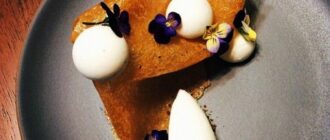
Lastly, paying attention to the details can make a big difference in your plating. Using tweezers to carefully place microgreens or edible flowers on top of your dish can add a touch of elegance. Drizzling sauces in a zigzag pattern or using a squeeze bottle can create a professional and polished look.
By mastering these plating techniques, you can impress your guests and elevate your home cooking to the next level. Whether you’re hosting a dinner party or simply cooking for yourself, taking the time to plate your food thoughtfully can make all the difference in the dining experience.
Elevate Your Dishes with These Simple Plating Techniques
If you’re a home cook looking to impress your guests, mastering the art of plating can take your dishes to the next level. With the right techniques, you can transform a simple meal into a visually stunning masterpiece.
One technique to elevate your plating is to use contrasting colors. By incorporating a variety of vibrant ingredients, such as colorful fruits and vegetables, you can create a visually appealing dish that is sure to impress. Additionally, using different textures, such as crispy elements or creamy sauces, can add depth and interest to your plating.
Another technique is to create height and dimension on the plate. By stacking ingredients or using molds, you can create a visually striking presentation that adds a professional touch to your dish. Additionally, using garnishes like fresh herbs or edible flowers can add a pop of color and freshness to your plate.
Don’t forget about the importance of negative space in plating. Leaving some areas of the plate empty can create a sense of balance and allow the main ingredients to shine. This can be achieved by using smaller portions or arranging ingredients in a way that allows for empty spaces.
Lastly, consider the overall presentation of your dish. Pay attention to the placement of each element on the plate and ensure that it is visually pleasing. Using a clean and organized approach can make a big difference in the final presentation of your dish.
By incorporating these simple plating techniques into your cooking repertoire, you can elevate your dishes to a whole new level and impress your guests with your culinary skills.
Create Stunning Visuals with These Plating Tips
When it comes to impressing your guests with your home cooking, it’s not just about the taste of the food, but also the presentation. Mastering the art of plating can take your dishes to the next level and leave a lasting impression on your guests.
One technique that can help you create stunning visuals is using different colors and textures. By incorporating a variety of colorful ingredients and contrasting textures, you can make your dish visually appealing and exciting to eat. For example, you can pair a crispy element with a creamy one, or a smooth sauce with a crunchy topping.
Another tip is to pay attention to the arrangement of your ingredients. Instead of simply piling them on a plate, try to create a visually pleasing composition. You can use the rule of thirds to guide your placement, or create a symmetrical design for a more formal look. Don’t be afraid to play with different shapes and sizes to add visual interest.
Adding height to your plate can also make a big difference. By stacking or layering your ingredients, you can create a sense of depth and dimension. This can be achieved by using a ring mold or a cookie cutter to shape your food, or by using edible garnishes to add height.
Lastly, don’t forget about the importance of negative space. Leaving some empty space on your plate can help highlight the main ingredients and make the dish look more elegant. It also gives your guests room to appreciate the different elements of the dish without feeling overwhelmed.
By incorporating these plating techniques into your home cooking, you can create stunning visuals that will impress your guests and elevate your dishes to the level of professional cooks. So, don’t be afraid to get creative and experiment with different plating styles and techniques. Your guests will surely be wowed by the beautiful presentation of your food.
Learn the Basics of Plating to Enhance Your Culinary Creations
Mastering the art of plating is an essential skill for home cooks who want to impress their guests with visually stunning dishes. Plating is not just about arranging food on a plate; it is about creating a visual experience that enhances the overall dining experience. By learning the basics of plating techniques, you can elevate your culinary creations to a whole new level.
One important technique to master is the use of color. A well-plated dish should have a variety of vibrant colors that complement each other. This can be achieved by incorporating colorful ingredients such as fresh herbs, vegetables, or edible flowers. By using different colors, you can create visual interest and make your dish more appetizing.
Another technique to consider is the use of height and texture. Adding height to your dish can create a more dynamic presentation. This can be achieved by stacking ingredients or using garnishes like crispy bacon or toasted nuts. Texture is also important; it adds dimension to your dish. You can create texture by incorporating crunchy elements like toasted breadcrumbs or crispy fried onions.
Balance is a key aspect of plating. A well-balanced dish should have a variety of flavors and textures. Consider combining different tastes, such as sweet and savory, or creamy and crunchy. This will create a harmonious balance that will impress your guests.
Lastly, don’t forget about the plate itself. The choice of plate can greatly impact the overall presentation of your dish. Consider using different shapes, sizes, and colors to complement your food. You can also use props like herbs or edible flowers to add an extra touch of elegance.
By mastering the basics of plating techniques, you can transform your home-cooked meals into visually stunning creations that will impress your guests. So, start experimenting with different colors, textures, and arrangements, and let your creativity shine on the plate!
Discover the Secrets to Beautifully Plated Meals
When it comes to impressing your guests with a home-cooked meal, plating is key. The way you present your food can make all the difference in creating a memorable dining experience. But how do professional cooks achieve those stunning, magazine-worthy plates?
One secret to beautifully plated meals is the use of color. By incorporating a variety of vibrant and complementary colors, you can create a visually appealing dish that is sure to impress. Think about using colorful vegetables, fruits, or sauces to add a pop of brightness to your plate.
Another secret is the art of garnishing. The right garnish can elevate a dish from ordinary to extraordinary. Consider using fresh herbs, edible flowers, or even microgreens to add a touch of elegance and freshness to your plate. Don’t be afraid to get creative with your garnishes – they can be as simple as a sprinkle of sea salt or a drizzle of olive oil.
Texture is also an important element to consider when plating your meals. By incorporating a variety of textures, such as crunchy, creamy, or crispy, you can add depth and interest to your dish. Think about using crispy breadcrumbs, creamy sauces, or crunchy nuts to create a multi-dimensional plate that will delight your guests.
Lastly, don’t forget about presentation. The way you arrange your food on the plate can make a big difference in how it is perceived. Consider using different shapes and sizes to create a visually appealing composition. Play with height by stacking ingredients or use a ring mold to create a neat and organized presentation. Remember, the plate is your canvas, so let your creativity shine.
In conclusion, mastering the art of plating is a surefire way to impress your guests with beautifully presented meals. By incorporating color, garnishes, texture, and thoughtful presentation, you can create dishes that are not only delicious but visually stunning as well. So don’t be afraid to get creative and experiment with different plating techniques – your guests will surely be impressed!
Enhance Your Dining Experience with These Plating Tricks
When it comes to hosting guests at home, one of the best ways to impress them is through your plating techniques. The way you present your dishes can elevate the dining experience and make your guests feel special. Here are some tricks to enhance your plating skills:
- Play with Colors: Use a variety of colorful ingredients to make your dish visually appealing. Consider using vibrant vegetables, fruits, or sauces to add pops of color to your plate.
- Balance the Elements: Create a harmonious balance of flavors, textures, and shapes on your plate. Combine different ingredients that complement each other and vary in taste and texture.
- Use Different Heights: Add visual interest to your plating by using different heights. Stack ingredients or use props like small bowls or ramekins to create varying levels on the plate.
- Garnish with Fresh Herbs: Adding a sprinkle of fresh herbs on top of your dish not only adds a burst of flavor but also enhances the overall presentation. Choose herbs that complement the flavors of your dish.
- Pay Attention to Plate Placement: Place your food intentionally on the plate, considering the natural flow of the dish. Use the empty space on the plate strategically to create a visually pleasing arrangement.
- Experiment with Different Plates: Try using different types of plates to showcase your dish. Consider using unique shapes, patterns, or materials to add an extra touch of elegance to your plating.
By incorporating these plating tricks into your home cooking, you can impress your guests and elevate their dining experience. Remember to have fun with your plating techniques and let your creativity shine!
Take Your Home Cooking to the Next Level with These Plating Techniques
Home cooks can elevate their culinary skills by mastering the art of plating. Plating is not just about arranging food on a plate; it is an art form that can impress guests and make a meal more enjoyable. By using various plating techniques, home cooks can transform their dishes into visually stunning creations.
One technique that can take your home cooking to the next level is the use of color. By incorporating vibrant and contrasting colors in your plating, you can create a visually appealing dish that is pleasing to the eye. For example, pairing a bright green pesto sauce with a vibrant orange carrot puree can create a striking color contrast that will impress your guests.
Another technique to consider is the use of height and layers. By stacking or layering different components of a dish, you can create a visually interesting presentation. For example, layering slices of grilled zucchini with roasted red pepper strips and topping it off with a dollop of creamy goat cheese can add depth and dimension to your plate.
Texture is also an important element in plating. By incorporating different textures, such as crispy, creamy, or crunchy, you can add variety and excitement to your dish. For example, pairing a tender piece of seared steak with crispy fried onions and a creamy mashed potato can create a delightful contrast in textures.
Lastly, attention to detail is key when it comes to plating. Paying attention to the placement of each component, the symmetry of the dish, and the overall presentation can make a big difference. Using tweezers or small utensils to carefully arrange garnishes and sauces can add a professional touch to your plating.
By incorporating these plating techniques into your home cooking, you can elevate your dishes from ordinary to extraordinary. Impress your guests with visually stunning creations that not only taste delicious but also look like they belong in a fine dining restaurant.
Impress Your Guests with These Professional Plating Skills
When it comes to impressing your guests at home, mastering the art of plating is essential. Professional plating techniques can elevate even the simplest dishes to a whole new level of sophistication. Whether you’re a seasoned home cook or just starting out, these skills will help you create visually stunning plates that will leave your guests in awe.
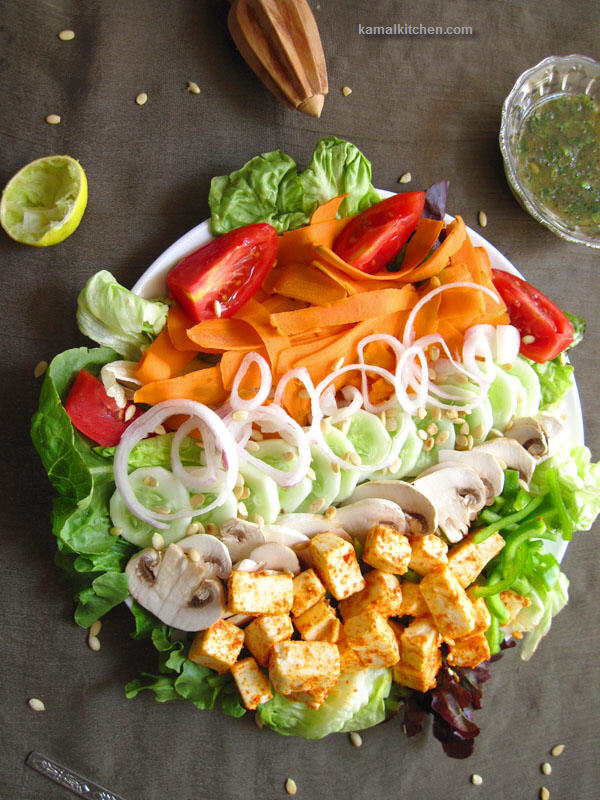
One of the key techniques in professional plating is using different textures and colors to create contrast on the plate. This can be achieved by incorporating a variety of ingredients that have different textures, such as crispy vegetables, creamy sauces, and tender proteins. By arranging these elements in a visually appealing way, you can create a dish that not only tastes delicious but also looks like a work of art.
Another important aspect of professional plating is paying attention to the balance of flavors and portion sizes. Each component of the dish should be proportionate to the others, ensuring that no single element overpowers the rest. This can be achieved by using small plates or bowls to create individual servings, allowing you to control the portion sizes and ensure that each bite is a harmonious blend of flavors.
Professional plating also involves paying attention to the details. This includes garnishing the plate with fresh herbs, edible flowers, or a drizzle of sauce to add visual interest and enhance the overall presentation. Additionally, using tools like squeeze bottles or tweezers can help you create precise lines or delicate arrangements, adding a professional touch to your plating.
Lastly, don’t forget about the importance of cleanliness and organization in professional plating. Keeping your work area clean and organized will not only make the plating process easier but also create a more visually appealing final presentation. Take the time to wipe the edges of the plates, remove any smudges or spills, and arrange the elements of the dish with care.
By mastering these professional plating skills, you can impress your guests with visually stunning dishes that rival those of the top restaurants. So, next time you’re hosting a dinner party or simply cooking for your loved ones, take the time to apply these techniques and watch as your guests are amazed by your culinary prowess.
Learn How to Plate Like a Pro: Tips and Tricks for Home Cooks
Plating is not just about serving food on a plate; it is an art form that can impress your guests and elevate the dining experience. As home cooks, we may not have the same level of training as professional chefs, but with some tips and tricks, we can learn how to plate like a pro.
1. Pay attention to the presentation: The way you arrange the food on the plate can make a big difference. Consider the colors, shapes, and textures of the different elements on the plate. Use contrasting colors to create visual interest, and arrange the components in a way that is visually appealing.
2. Use the right tools: Investing in some plating tools can make a world of difference. A set of tweezers, a squeeze bottle, and a ring mold can help you create precise and professional-looking plates. These tools allow you to carefully place and shape the food, adding a touch of elegance to your presentation.
3. Play with height and layers: Adding height and layers to your dish can make it more visually appealing. Use garnishes, sauces, or even edible flowers to create different levels and textures on the plate. This adds depth to the dish and makes it more visually interesting.
4. Pay attention to portion sizes: Balancing portion sizes is important for both presentation and taste. Avoid overcrowding the plate and make sure that each element has enough space to shine. Consider the size of the plate and the number of components you are serving to create a visually pleasing and well-balanced plate.
5. Practice and experiment: Plating is a skill that improves with practice. Don’t be afraid to experiment with different plating techniques and styles. Look for inspiration from professional chefs, cookbooks, or online resources. The more you practice, the better you will become at creating beautiful and impressive plates.
Remember, plating is not just about making the food look pretty; it is about enhancing the overall dining experience. By paying attention to presentation, using the right tools, playing with height and layers, balancing portion sizes, and practicing regularly, you can learn how to plate like a pro and impress your guests with your culinary skills.
Master the Art of Plating: Techniques Every Home Cook Should Know
Plating is not just about putting food on a plate, it is an art that can elevate the dining experience for your guests. As a home cook, mastering the art of plating can make your dishes look visually appealing and professional. Here are some techniques that every home cook should know:
- Balance and Composition: When plating your dishes, it is important to create a balanced and visually pleasing composition. Consider the colors, shapes, and sizes of the different elements on the plate. Use contrasting colors and textures to create interest.
- Layering: Layering is a technique that adds depth and dimension to your plating. Start with a base, such as a sauce or puree, and build layers of different ingredients on top. This adds visual interest and allows guests to taste different flavors with each bite.
- Garnishing: Garnishes are the finishing touch that can take your plating to the next level. Use fresh herbs, edible flowers, or microgreens to add color and freshness to your dish. Be creative with your garnishes, but make sure they complement the flavors of the dish.
- Negative Space: Negative space refers to the empty space on the plate. Leaving some space between the different elements of your dish can create a sense of elegance and sophistication. It also allows the colors and textures of the food to stand out.
- Plating Utensils: The tools you use for plating can make a difference in the final presentation. Invest in a set of plating spoons, tweezers, and squeeze bottles to help you create precise and intricate designs on the plate.
- Practice and Experiment: Plating is a skill that takes practice to master. Don’t be afraid to experiment with different techniques and designs. Take inspiration from professional chefs and food stylists, but also develop your own style and creativity.
By mastering these plating techniques, you can impress your guests and make your home-cooked meals look as good as they taste. Remember, plating is not just about aesthetics, it is about enhancing the overall dining experience and showing your passion for cooking.
Transform Your Home Cooked Meals into Works of Art with These Plating Techniques
If you’re a home cook looking to impress your guests, mastering the art of plating is essential. Plating is not just about arranging food on a plate; it’s about creating a visually stunning presentation that enhances the dining experience. With the right techniques, you can transform your home cooked meals into works of art that will leave your guests in awe.
One technique to impress your guests is to use different textures and colors on the plate. By incorporating a variety of ingredients with contrasting textures, such as crispy, crunchy, and creamy, you can create a visually appealing dish that also offers a range of taste sensations. Additionally, using vibrant and colorful ingredients, such as fresh herbs, edible flowers, and brightly colored vegetables, will make your dish visually striking.
Another technique to elevate your plating game is to pay attention to the placement of each element on the plate. Use the rule of thirds to create balance and visual interest. Place the main component of the dish off-center, and arrange the other elements around it in a way that complements its shape and color. This will create a harmonious composition that is pleasing to the eye.
Don’t be afraid to get creative with your plating. Experiment with different shapes and sizes of plates, bowls, and serving dishes to add visual interest. Use garnishes, such as swirls of sauce, dustings of powdered spices, or delicate microgreens, to add the finishing touch to your masterpiece. Remember, the goal is to create a visually stunning dish that is as beautiful to look at as it is delicious to eat.
Lastly, presentation is key. Take the time to wipe the edges of the plate clean and ensure that the food is arranged neatly. Pay attention to the overall presentation of the table as well, using complementary tableware, linens, and centerpieces to enhance the dining experience. Your guests will appreciate the effort you put into creating a visually stunning meal.
Get Creative in the Kitchen: Plating Ideas to Wow Your Guests
When it comes to plating, the presentation of your dishes can make a lasting impression on your guests. By utilizing various techniques, you can take your home cooking to the next level and create visually stunning plates that are sure to wow.
One technique to impress your guests is the use of height and layers. By stacking different elements of your dish, you can create a visually appealing and dynamic plate. For example, try layering a piece of grilled chicken on top of a bed of mashed potatoes, and then topping it off with a sprinkle of fresh herbs. This not only adds dimension to your plate, but also adds a pop of color.
Another technique to consider is the use of negative space. Instead of overcrowding your plate with food, leave some empty space to create a sense of balance and elegance. This can be achieved by using smaller portions or arranging your ingredients in a way that allows for negative space. For example, arrange a few slices of seared steak on one side of the plate and leave the other side empty, allowing the vibrant colors of the accompanying vegetables to shine.
Using vibrant colors and contrasting textures is another way to make your plating stand out. Play around with different ingredients and colors to create a visually striking plate. For example, pair a bright orange carrot puree with a seared scallop and garnish with a sprinkle of green microgreens. The contrasting colors and textures will not only make your dish look beautiful, but also add depth and flavor.
Lastly, don’t be afraid to get creative with your plating tools. Use squeeze bottles or spoons to create decorative sauces or drizzles on your plate. Experiment with different shapes and patterns to add a touch of artistry to your dishes. Remember, plating is not just about the taste of the food, but also the visual experience it provides to your guests.
By incorporating these plating techniques into your home cooking, you can elevate your dishes and impress your guests with visually stunning presentations. So get creative in the kitchen and let your imagination run wild!
Learn the Art of Plating: Techniques to Make Your Dishes Instagram-Worthy
When it comes to impressing your guests with your cooking skills, plating can make all the difference. The way you present your dishes can take them from ordinary to extraordinary, and even make them Instagram-worthy. As home cooks, we may not have the same resources as professional chefs, but with a few simple techniques, we can still create stunning plates that will leave our guests in awe.
One of the key techniques to master is the use of color. By incorporating vibrant and contrasting colors on your plate, you can create a visually appealing and appetizing dish. Think about using a variety of colorful fruits and vegetables, such as red tomatoes, green herbs, and yellow peppers, to add pops of color to your plate. Additionally, you can use edible flowers or microgreens to add a touch of elegance and freshness.
Another technique to consider is the use of different textures. By incorporating a mix of crispy, crunchy, creamy, and soft elements, you can add interest and depth to your dish. For example, you can pair a tender piece of grilled meat with a crispy vegetable chip, or top a creamy soup with a sprinkle of toasted breadcrumbs. The contrast in textures will not only make your dish more visually appealing, but also more enjoyable to eat.
Don’t forget about the importance of presentation. The way you arrange the components of your dish on the plate can greatly impact its overall appearance. Consider using the rule of thirds, where you divide your plate into three sections and arrange your food accordingly. You can also use different heights and angles to create visual interest. For example, you can stack ingredients or lean them against each other to create a dynamic composition.
Lastly, pay attention to the small details. Garnishes, sauces, and drizzles can elevate the look of your dish and make it more Instagram-worthy. A sprinkle of fresh herbs, a drizzle of balsamic reduction, or a dollop of flavored whipped cream can add that extra touch of elegance and sophistication. Just remember to keep it balanced and not overwhelm the dish.
By learning these plating techniques and practicing them, you can take your dishes to the next level and impress your guests with visually stunning and Instagram-worthy presentations. Remember, plating is an art form, and with a little creativity and attention to detail, you can create plates that are not only delicious but also a feast for the eyes.
Step Up Your Plating Game: Techniques to Impress Even the Toughest Critics
If you’re looking to take your plating skills to the next level and leave a lasting impression on your guests, it’s time to master some advanced plating techniques. These techniques will not only impress even the toughest critics but also elevate the overall dining experience.
One technique that can instantly elevate your plating game is the use of edible garnishes. These can include delicate herb sprigs, edible flowers, or even microgreens. By incorporating these elements into your dish, you not only add visual appeal but also enhance the flavors and textures.
Another technique that can impress your guests is the art of creating height and dimension on the plate. By stacking different components of your dish, you can create a visually striking presentation. For example, layering a piece of protein on top of a bed of vegetables or stacking different flavors of ice cream in a dessert.
Texture is also an important element to consider when plating your dishes. Incorporating a variety of textures, such as crispy, crunchy, and creamy, can add depth and interest to your plate. This can be achieved by adding crispy elements like toasted nuts or breadcrumbs, or by using different cooking techniques to create contrasts in textures.
Lastly, paying attention to the overall composition of your plate is key to impressing your guests. Consider the balance of colors, shapes, and sizes when arranging your dish. Use contrasting colors to create visual interest, and arrange the components in a way that is visually pleasing and balanced.
By mastering these plating techniques, you’ll be able to impress even the toughest critics and create a dining experience that is not only delicious but also visually stunning. So, don’t be afraid to get creative and experiment with different techniques to take your plating game to new heights!
Unleash Your Inner Artist: Plating Techniques to Make Your Meals Beautiful
When it comes to impressing your guests with your culinary skills, plating techniques can make all the difference. Just like a painter uses different strokes and colors to create a masterpiece, you can use various techniques to turn a simple home-cooked meal into a work of art.
One technique to elevate your plating game is to create height and layers on the plate. This can be achieved by stacking different ingredients or using a mold to shape your food. By adding height, you create visual interest and make your dish more appealing to the eye.
Another technique is to use contrasting colors and textures. Think about the color wheel and how certain colors complement each other. By using ingredients with different colors and textures, you can create a visually striking plate that is not only pleasing to look at but also tantalizing to taste.
Don’t be afraid to play with shapes and sizes. Use cookie cutters or molds to create unique shapes with your ingredients. This adds a fun and whimsical element to your plating and shows off your creativity.
Lastly, pay attention to the placement of your ingredients. Use the rule of thirds to create balance and harmony on the plate. Place your main ingredient off-center and arrange the rest of the components around it. This creates a visually appealing composition that draws the eye in and makes the dish more visually appealing.
So, unleash your inner artist and start experimenting with these plating techniques. Your guests will be impressed not only by the taste of your meals but also by the beautiful presentation.
Master the Art of Plating: Techniques to Make Your Food Look as Good as It Tastes
Plating is not just about putting food on a plate; it is an art form that allows home cooks to showcase their culinary creations and impress their guests. By using various plating techniques, you can transform a simple dish into a visual masterpiece that will leave a lasting impression.
One technique that can elevate the presentation of your food is the use of height and layers. By stacking different components of your dish, you can create a visually appealing and dynamic plate. For example, you can place a piece of protein on top of a bed of vegetables or arrange different elements in a vertical manner to add depth to your plate.
Another technique to consider is the use of color contrast. By incorporating vibrant and contrasting colors on your plate, you can make your dish visually striking. For example, you can pair a bright green herb sauce with a rich, red meat or use colorful garnishes to add pops of color to a neutral-colored dish.
Texture is also an important aspect of plating. By incorporating different textures, such as crispy, crunchy, or creamy elements, y