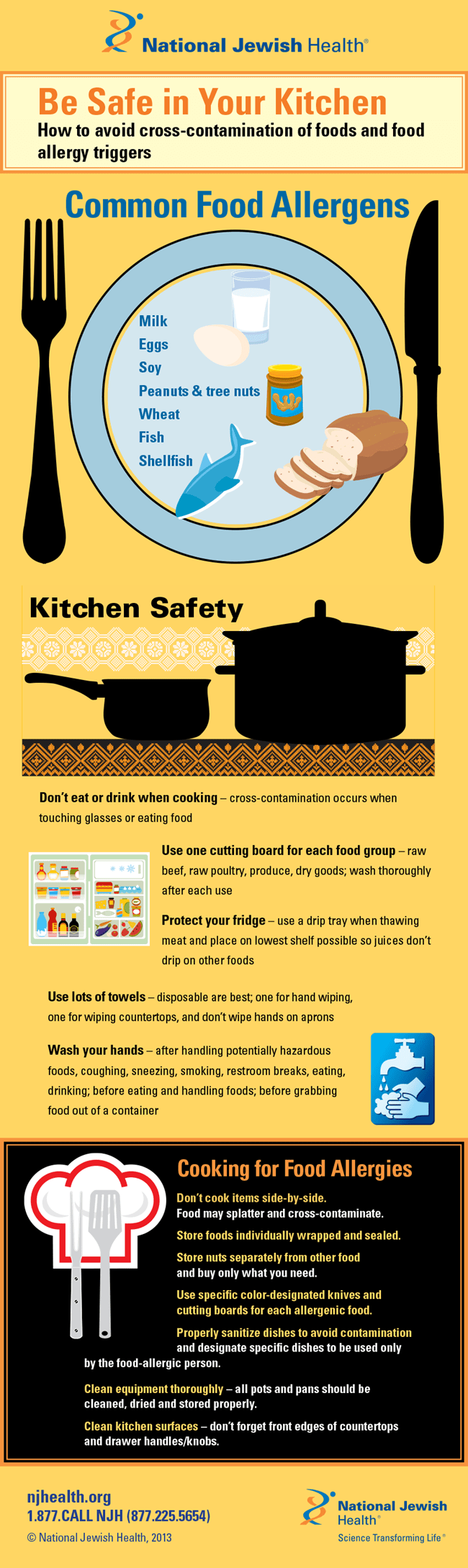
How to Avoid Cross-Contamination in Your Kitchen
Keeping your kitchen clean and free from germs is crucial for maintaining a healthy environment. One of the most important steps in achieving this is to prevent cross-contamination. Cross-contamination occurs when bacteria or other harmful microorganisms from one food item are transferred to another, potentially leading to foodborne illnesses. To keep your kitchen safe, it is essential to follow some key tips.
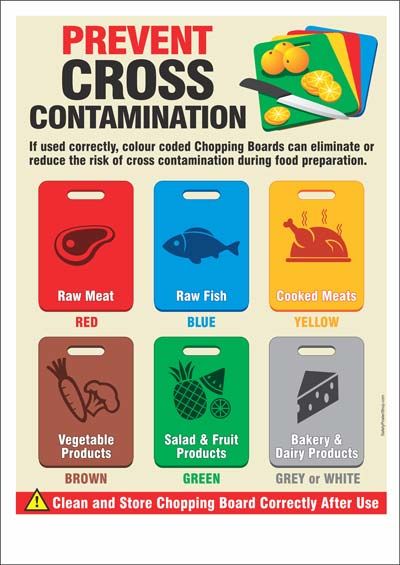
First and foremost, always ensure that your utensils and cutting boards are properly cleaned and sanitized. Using separate cutting boards for raw meat, poultry, and fish, and another one for fruits and vegetables, is a good practice. This helps to avoid any potential transfer of bacteria from raw foods to ready-to-eat foods. Remember to wash your utensils thoroughly with hot, soapy water after each use, and sanitize them regularly.
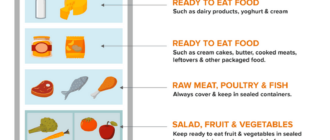
In addition to separating utensils, it is important to keep raw foods separate from cooked or ready-to-eat foods in your kitchen. This means storing raw meats, poultry, and fish on the bottom shelf of your refrigerator, away from other foods. Use sealed containers or plastic bags to prevent any juices from leaking and contaminating other items. Similarly, when preparing meals, use separate cutting boards, knives, and plates for raw and cooked foods to avoid cross-contamination.
Another crucial tip is to avoid using the same cloth or sponge to clean different surfaces in your kitchen. This can easily spread bacteria from one area to another. Instead, use separate cloths or sponges for different tasks, such as wiping countertops, cleaning dishes, or drying utensils. Regularly wash these items in hot water and replace them when they become worn or dirty.
By following these essential tips, you can significantly reduce the risk of cross-contamination in your kitchen and ensure a safer environment for you and your family. Remember to always practice good hygiene, such as washing your hands frequently and thoroughly, and properly storing and handling food. With these precautions in place, you can enjoy a clean and germ-free kitchen.
Importance of preventing cross-contamination
Cross-contamination is a significant concern in the kitchen, as it can lead to the spread of harmful germs and bacteria. It occurs when bacteria from raw food comes into contact with cooked or ready-to-eat food, utensils, or surfaces. The consequences of cross-contamination can be serious, ranging from mild food poisoning to severe illnesses.
Keeping a clean and hygienic kitchen is crucial to prevent cross-contamination. This includes regular cleaning and sanitizing of countertops, cutting boards, and utensils. It is also important to wash hands thoroughly with soap and hot water before and after handling raw food.
Separating raw and cooked food is another key step in preventing cross-contamination. Using different cutting boards and utensils for raw and cooked food can help minimize the risk. It is recommended to store raw meat, poultry, and seafood in separate containers or bags to avoid any contact with other foods.
Cooking food at the right temperature is essential to kill any bacteria that may be present. It is important to use a food thermometer to ensure that meat, poultry, and seafood are cooked to the appropriate internal temperature. This helps to reduce the risk of cross-contamination from undercooked food.
One of the most effective ways to avoid cross-contamination is to practice good food handling techniques. This includes using separate cutting boards and utensils for different types of food, such as raw meat, fruits, and vegetables. It is also important to wash hands thoroughly after handling raw food and before touching any other food or surfaces.
By following these guidelines, you can significantly reduce the risk of cross-contamination in your kitchen. Taking the necessary precautions and being mindful of proper food handling practices can help keep you and your family safe from foodborne illnesses.
Understanding cross-contamination
Cross-contamination is the transfer of harmful bacteria or other microorganisms from one surface or food to another. In the kitchen, this can occur when raw and cooked foods come into contact with each other, or when utensils and cutting boards used for raw meat are not properly cleaned before being used for other foods.
To avoid cross-contamination, it is important to keep raw and cooked foods separate. This means using separate cutting boards, utensils, and plates for raw and cooked foods. It is also important to wash your hands thoroughly with soap and water before and after handling raw foods.
Cleaning and sanitizing surfaces in the kitchen is another important step in preventing cross-contamination. This includes regularly cleaning countertops, cutting boards, and utensils with hot, soapy water. Using a bleach solution or other sanitizing agent can also help kill any remaining bacteria.
When storing food in the refrigerator, it is important to keep raw meats and seafood separate from other foods. This can be done by placing raw meats on the bottom shelf or in a separate container to prevent any juices from dripping onto other foods.
By understanding the risks of cross-contamination and following these tips, you can help keep your kitchen clean and your food safe to eat.
Common sources of cross-contamination
Cross-contamination is a major concern in the kitchen, as it can lead to the spread of harmful bacteria and foodborne illnesses. It occurs when bacteria from one source, such as raw meat or poultry, comes into contact with other foods or surfaces. There are several common sources of cross-contamination that you should be aware of and take steps to prevent.
Utensils: One of the most common sources of cross-contamination is the improper use of utensils. Using the same knife or cutting board for both raw and cooked foods can easily transfer bacteria from one to the other. To prevent this, it is important to have separate cutting boards and utensils for raw and cooked foods. Additionally, it is crucial to wash utensils thoroughly with hot, soapy water after each use to ensure they are clean and free from bacteria.
Raw and cooked foods: Another source of cross-contamination is the improper handling of raw and cooked foods. Raw meats, poultry, and seafood should always be kept separate from cooked foods to prevent the transfer of bacteria. This includes using separate containers and storage areas in the refrigerator to avoid any potential contact between raw and cooked foods.
Unwashed produce: Fruits and vegetables can also be a source of cross-contamination if they are not properly washed. Bacteria from the soil, water, or handling can be transferred to other foods or surfaces if unwashed produce comes into contact with them. It is important to thoroughly wash all fruits and vegetables before consuming or cooking them to reduce the risk of cross-contamination.
Kitchen surfaces: Kitchen surfaces, such as countertops and cutting boards, can harbor bacteria if not cleaned properly. It is important to regularly clean and sanitize these surfaces to prevent cross-contamination. Use hot, soapy water to clean countertops and cutting boards after each use, and consider using separate cutting boards for different types of foods to further reduce the risk of cross-contamination.
Improper hand hygiene: Lastly, improper hand hygiene can also contribute to cross-contamination in the kitchen. Hands should be washed thoroughly with soap and water before and after handling food, especially raw meats, poultry, and seafood. This helps to remove any bacteria that may be present and prevent its transfer to other foods or surfaces.
By being aware of these common sources of cross-contamination and taking the necessary precautions, you can help ensure a safer kitchen and reduce the risk of foodborne illnesses.
Proper handwashing techniques
Proper handwashing techniques are crucial in preventing the spread of germs and avoiding cross-contamination in the kitchen. It is important to wash your hands thoroughly before handling any food, utensils, or kitchen surfaces.
To effectively wash your hands, follow these steps:
- Wet your hands with clean, running water.
- Apply soap and lather well, making sure to cover all surfaces of your hands, including between your fingers and under your nails.
- Scrub your hands for at least 20 seconds. You can use a timer or sing the “Happy Birthday” song twice to ensure you wash for the recommended amount of time.
- Rinse your hands thoroughly under running water to remove all soap.
- Dry your hands using a clean towel or air dryer.
Proper handwashing is especially important when handling raw meats, as they can contain harmful bacteria that can cause foodborne illnesses. It is essential to wash your hands immediately after handling raw meats to prevent cross-contamination.
In addition to proper handwashing, it is important to also separate cooked and raw foods in the kitchen. This means using separate cutting boards, utensils, and plates for raw meats and cooked foods to prevent cross-contamination. By keeping these items separate, you can reduce the risk of spreading harmful bacteria from raw foods to cooked foods.
Following these proper handwashing techniques and practicing good hygiene in the kitchen can help ensure a safer cooking environment and protect you and your family from foodborne illnesses.
Cleaning and sanitizing surfaces
Keeping your kitchen clean is essential to avoid cross-contamination and the spread of germs. Regularly cleaning and sanitizing surfaces is an important step in maintaining a safe and hygienic kitchen environment.
When cleaning surfaces, use hot soapy water and a clean cloth or sponge to remove any dirt, grease, or food residue. Pay special attention to areas that come into contact with raw meats, such as cutting boards, countertops, and utensils. These surfaces should be thoroughly cleaned after each use to prevent the spread of bacteria.
After cleaning, it is important to sanitize the surfaces to kill any remaining germs. You can use a solution of bleach and water or a commercial sanitizer to disinfect the surfaces. Follow the instructions on the product label for the correct dilution ratio and contact time.
It is also crucial to keep raw and cooked foods separate to prevent cross-contamination. Use separate cutting boards and utensils for raw meats and cooked foods. If possible, designate different areas of the kitchen for preparing raw and cooked foods to minimize the risk of cross-contamination.
Regularly cleaning and sanitizing surfaces in your kitchen is an essential part of preventing cross-contamination and ensuring a safe and healthy cooking environment. By following these tips, you can reduce the risk of foodborne illnesses and keep your kitchen clean and germ-free.
Separate cutting boards for different foods
One of the most important steps to prevent cross-contamination in the kitchen is to use separate cutting boards for different types of foods. This practice helps to ensure that germs from raw meats, poultry, and seafood do not come into contact with other foods, especially those that will be consumed without further cooking.
It is crucial to have separate cutting boards for raw meats, poultry, and seafood to avoid the spread of harmful bacteria. Using the same cutting board for both raw and cooked foods can lead to cross-contamination, where bacteria from the raw foods can contaminate the cooked ones, increasing the risk of foodborne illnesses.
When using separate cutting boards, it is important to label them or use different colors to easily distinguish between them. This way, you can ensure that the cutting board used for raw meats is not mistakenly used for cutting vegetables or fruits without proper cleaning and disinfection.
Additionally, it is essential to use separate utensils for different types of foods. Knives, forks, and other utensils used for cutting and handling raw meats should not be used for cooked foods without proper cleaning. This will further reduce the risk of cross-contamination and the spread of germs.
By implementing the practice of using separate cutting boards and utensils for different foods, you can significantly reduce the chances of cross-contamination in your kitchen. This simple step will help keep your food clean and safe for consumption, preventing the spread of germs and reducing the risk of foodborne illnesses.
Using separate utensils for raw and cooked foods
Cross-contamination is a major concern in the kitchen, as it can lead to the spread of harmful germs and bacteria. One effective way to avoid cross-contamination is by using separate utensils for raw and cooked foods.
When preparing meals, it is important to have designated utensils for handling raw meats, poultry, and seafood. These utensils should never be used for cooked foods to prevent the transfer of any bacteria or germs that may be present in the raw ingredients.
Using separate utensils for raw and cooked foods not only helps to prevent cross-contamination, but it also ensures that the flavors of the different ingredients are not mixed together. This is especially important when it comes to handling raw meats, as they can contain harmful bacteria that can cause foodborne illnesses if not properly cooked.
To maintain a safe and clean kitchen, it is crucial to clean and sanitize utensils after each use. This includes washing them with hot, soapy water and thoroughly rinsing them before and after use. Utensils should also be stored in a clean and dry area to prevent the growth of bacteria.
By using separate utensils for raw and cooked foods, you can significantly reduce the risk of cross-contamination and ensure the safety of your meals. It is a simple yet effective practice that every home cook should follow to maintain a healthy kitchen environment.
Storing foods properly
Properly storing foods is crucial in preventing cross-contamination and ensuring the safety of your kitchen. One key rule to follow is to always separate raw and cooked foods. Raw foods, such as raw meat, poultry, and seafood, can contain harmful bacteria that can easily spread to other foods if not stored properly. It is important to store raw foods in containers or bags that are tightly sealed to avoid any contact with other foods.
When storing cooked foods, it is equally important to keep them separate from raw foods. This helps to prevent any potential cross-contamination and the transfer of germs. Cooked foods should be stored in clean and separate containers to avoid any contact with raw foods.
Using separate utensils for raw and cooked foods is another effective way to prevent cross-contamination. It is recommended to have dedicated utensils for handling raw meats, such as knives and cutting boards, to avoid spreading any bacteria to other foods. These utensils should be thoroughly cleaned and sanitized after each use.
To further minimize the risk of cross-contamination, it is important to keep your kitchen clean. Regularly clean and sanitize all surfaces, including countertops, cutting boards, and utensils. This helps to remove any potential germs and bacteria that may be present and reduces the risk of contamination.
In conclusion, storing foods properly is essential in preventing cross-contamination and maintaining a safe kitchen environment. By separating raw and cooked foods, using separate utensils, and keeping your kitchen clean, you can avoid the transfer of germs and ensure the safety of your meals.
Handling raw meat and poultry
Properly handling raw meat and poultry is crucial in preventing cross-contamination and the spread of harmful germs in the kitchen. Here are some essential tips to follow:
- Keep raw meat and poultry separate: To avoid cross-contamination, it is important to store raw meat and poultry separately from other foods. Use separate cutting boards, plates, and utensils for raw meats to prevent the spread of bacteria.
- Avoid using the same utensils: When handling raw meat and poultry, avoid using the same utensils for cooked or ready-to-eat foods. This will help prevent the transfer of germs from raw foods to foods that do not require further cooking.
- Clean surfaces and utensils: After handling raw meat and poultry, make sure to thoroughly clean all surfaces, cutting boards, and utensils with hot, soapy water. This will help eliminate any lingering bacteria and reduce the risk of cross-contamination.
- Cook meat and poultry thoroughly: Cooking raw meat and poultry to the proper internal temperature is essential for killing any harmful bacteria. Use a food thermometer to ensure that meat and poultry are cooked to the recommended temperature.
- Practice good hygiene: Wash your hands thoroughly with soap and water before and after handling raw meat and poultry. This will help prevent the spread of germs and reduce the risk of contamination.
By following these tips, you can ensure that you are handling raw meat and poultry safely in your kitchen, reducing the risk of cross-contamination and keeping your food and family safe from harmful bacteria.
Preventing cross-contamination in the refrigerator
Keeping your refrigerator clean and organized is essential for preventing cross-contamination in your kitchen. Cross-contamination occurs when germs from raw foods, such as meat and poultry, come into contact with cooked or ready-to-eat foods, increasing the risk of foodborne illnesses. Here are some tips to help you avoid cross-contamination in your refrigerator:
- Separate raw and cooked foods: Store raw meats, poultry, and seafood in sealed containers or bags on the bottom shelf of the refrigerator to prevent any juices from dripping onto other foods. Keep cooked foods and ready-to-eat items, such as fruits and vegetables, on separate shelves or in separate drawers.
- Use separate utensils and containers: Avoid using the same utensils or containers for raw and cooked foods. Use different cutting boards, knives, and plates for handling raw meats to prevent any bacteria from spreading to other foods. Wash these utensils and containers thoroughly with hot, soapy water after each use.
- Keep a clean refrigerator: Regularly clean your refrigerator to remove any spills or drips that may contain harmful bacteria. Use a mild detergent or a mixture of water and vinegar to clean the shelves, drawers, and walls of the refrigerator. Pay extra attention to areas where raw meats have been stored.
- Store leftovers properly: Store leftover cooked foods in airtight containers and label them with the date. Place them on a separate shelf in the refrigerator and consume them within a few days. Discard any leftovers that have been in the refrigerator for too long.
- Organize your refrigerator: Keep similar foods together and use containers or bins to separate different types of foods. This will help prevent any cross-contamination and make it easier to find what you need. Consider using a refrigerator thermometer to ensure that the temperature is consistently below 40°F (4°C) to slow down the growth of bacteria.
By following these tips and practicing good hygiene in the kitchen, you can help prevent cross-contamination in your refrigerator and keep your food safe for consumption.
Avoiding cross-contamination with allergens
Allergens can cause severe reactions in individuals with food allergies, so it’s important to take precautions to avoid cross-contamination in the kitchen. Cross-contamination occurs when allergens come into contact with food or surfaces that are meant to be allergen-free. To prevent this, it is essential to keep the kitchen clean and use separate utensils and equipment for allergen-free and allergen-containing foods.
When preparing meals, it is crucial to avoid using the same utensils for different foods, especially those that contain allergens. This includes knives, cutting boards, and serving spoons. By using separate utensils, you can prevent the transfer of allergens and reduce the risk of cross-contamination.
In addition to utensils, it is important to keep surfaces clean and free from allergens. This includes countertops, sinks, and any other areas where food is prepared or served. Regularly cleaning these surfaces with hot, soapy water can help eliminate any lingering allergens and reduce the risk of cross-contamination.
Another important step in preventing cross-contamination with allergens is to store allergen-free and allergen-containing foods separately. This means keeping them in separate containers or using different shelves in the refrigerator or pantry. By keeping these foods separate, you can minimize the risk of accidental contact and reduce the chances of cross-contamination.
Overall, taking steps to avoid cross-contamination with allergens is crucial for maintaining a safe and allergen-free kitchen. By keeping utensils clean, using separate equipment, and storing foods separately, you can help prevent the spread of allergens and protect the health of individuals with food allergies.
Cross-contamination in food preparation areas
Cross-contamination is a major concern in kitchens and food preparation areas. It occurs when harmful bacteria or other microorganisms are transferred from one surface or food to another, potentially contaminating the entire kitchen and posing a risk to food safety.
To prevent cross-contamination, it is important to keep raw and cooked foods separate. This means using separate cutting boards, utensils, and containers for raw meats, poultry, and fish, and another set for cooked foods. By doing so, you can avoid the transfer of harmful bacteria from raw foods to cooked foods.
Keeping a clean kitchen is also essential in preventing cross-contamination. Surfaces should be regularly cleaned and sanitized, especially after handling raw meats. Utensils and cutting boards should be washed with hot, soapy water and thoroughly dried before using them again.
Proper hand hygiene is another important step in preventing cross-contamination. Hands should be washed with soap and water before and after handling raw foods, using the restroom, or touching surfaces that may be contaminated. This helps to avoid the spread of germs and bacteria.
In addition to these measures, it is important to store food properly in the kitchen. Raw meats, poultry, and fish should be stored separately from other foods, ideally in sealed containers or bags to prevent any potential leakage or contamination. This helps to minimize the risk of cross-contamination.
Importance of proper food storage containers
Proper food storage containers play a crucial role in preventing cross-contamination and maintaining the safety and quality of food. By using the right containers, you can effectively reduce the risk of germs and bacteria spreading from one food item to another.
When storing cooked and raw foods, it is essential to keep them separate to prevent any potential contamination. Using separate containers for cooked and raw foods helps to minimize the chances of bacteria from raw foods transferring to cooked foods, which can cause foodborne illnesses.
Cleanliness is also a key factor in preventing cross-contamination in the kitchen. Food storage containers should be thoroughly cleaned and sanitized before and after each use. This ensures that any lingering germs or bacteria are eliminated, reducing the risk of contamination.
Properly sealed food storage containers also help to keep food fresh and prevent spoilage. When food is stored in containers with a tight seal, it is less likely to be exposed to air and moisture, which can accelerate spoilage. This not only helps to maintain the quality of the food but also reduces the risk of bacteria growth.
Using different food storage containers for different types of food can also help to prevent cross-contamination. For example, using separate containers for meats, vegetables, and fruits can minimize the chances of bacteria from raw meats contaminating other foods. Additionally, using clear containers can make it easier to identify and separate different types of food.
In conclusion, proper food storage containers are essential for preventing cross-contamination in the kitchen. By keeping cooked and raw foods separate, maintaining cleanliness, and using different containers for different types of food, you can ensure the safety and quality of your meals. Invest in high-quality food storage containers to protect your health and enjoy your meals with peace of mind.
Educating kitchen staff on cross-contamination prevention
Preventing cross-contamination in a kitchen is crucial for ensuring food safety and preventing the spread of germs. Educating kitchen staff on the importance of cross-contamination prevention is essential to maintain a safe and hygienic environment.
One of the main ways to avoid cross-contamination is by keeping cooked and raw foods separate. Kitchen staff should be trained to use separate cutting boards, utensils, and containers for handling raw and cooked foods. This helps to prevent the transfer of harmful bacteria from raw foods to cooked foods.
Proper hand hygiene is also crucial in preventing cross-contamination. Staff should be educated on the importance of washing their hands thoroughly and frequently, especially when switching between handling raw and cooked foods. The use of gloves can provide an additional layer of protection.
Regular cleaning and sanitizing of kitchen surfaces and utensils is another important aspect of cross-contamination prevention. Staff should be trained on the proper cleaning procedures and the use of appropriate sanitizing agents to kill any remaining germs or bacteria.
Furthermore, it is important to educate kitchen staff on the potential risks of cross-contamination and the consequences it can have on food safety. By understanding the importance of their role in preventing cross-contamination, staff will be more motivated to follow proper protocols and take the necessary precautions to ensure a safer kitchen environment.
Regular inspection and maintenance of kitchen equipment
Regular inspection and maintenance of kitchen equipment is crucial in preventing cross-contamination and ensuring a safe and clean environment. It is important to separate raw and cooked foods to avoid any potential contamination.
One way to prevent cross-contamination is by using separate utensils for handling raw and cooked foods. Utensils used for raw meats should never be used for cooked foods without being properly cleaned. This helps to prevent the transfer of harmful bacteria from raw foods to cooked foods.
Regular cleaning of kitchen equipment is also essential in maintaining a safe kitchen environment. Surfaces where raw meats have been prepared should be thoroughly cleaned and sanitized to remove any potential bacteria. This includes countertops, cutting boards, and knives.
In addition to regular cleaning, it is important to inspect kitchen equipment for any signs of wear or damage. Cracks or scratches in cutting boards or utensils can harbor bacteria and increase the risk of cross-contamination. Any damaged equipment should be replaced promptly to ensure the safety of the kitchen.
By regularly inspecting and maintaining kitchen equipment, you can help to prevent cross-contamination and create a safer kitchen environment. This includes using separate utensils for raw and cooked foods, regularly cleaning and sanitizing surfaces, and promptly replacing any damaged equipment. These practices are essential for ensuring the safety of your kitchen and the food you prepare.
FAQ:
How can I prevent cross-contamination in my kitchen?
To prevent cross-contamination in your kitchen, you should always wash your hands before and after handling different types of food. It is also important to use separate cutting boards and utensils for raw meat, poultry, and seafood to avoid spreading bacteria. Additionally, make sure to clean and sanitize countertops, appliances, and other surfaces regularly.
What are some common sources of cross-contamination in the kitchen?
Common sources of cross-contamination in the kitchen include using the same cutting board and knife for raw meat and vegetables without washing them in between, not properly washing hands after handling raw meat, and using the same cloth or sponge to clean different surfaces without sanitizing it. Another source is storing raw meat or seafood above ready-to-eat foods in the refrigerator.
Can cross-contamination lead to foodborne illnesses?
Yes, cross-contamination can lead to foodborne illnesses. When bacteria from raw meat, poultry, or seafood comes into contact with ready-to-eat foods, such as fruits or cooked dishes, it can cause food poisoning if consumed. This can result in symptoms like nausea, vomiting, diarrhea, and stomach cramps.
What are some tips for preventing cross-contamination with cutting boards?
Some tips for preventing cross-contamination with cutting boards are to use separate boards for different types of food, such as one for raw meat and another for fruits and vegetables. It is also important to wash cutting boards with hot, soapy water after each use and to sanitize them with a solution of one tablespoon of bleach mixed with one gallon of water.
Why is it important to clean and sanitize countertops?
It is important to clean and sanitize countertops because they can harbor bacteria from raw meat, poultry, and seafood. If these bacteria come into contact with other foods or utensils, cross-contamination can occur. Cleaning countertops with hot, soapy water and then sanitizing them with a solution of one teaspoon of bleach mixed with one quart of water can help kill any bacteria present.