From Refrigerator to Dining Table: Ensuring the Safety of Food
Food safety is of utmost importance when it comes to the journey of food from the fridge to the table. The refrigerator plays a crucial role in preserving the freshness and quality of the food we consume. It serves as a temporary storage space for perishable items, keeping them at a low temperature to slow down the growth of bacteria and other microorganisms that can cause foodborne illnesses.
However, simply storing food in the fridge is not enough to guarantee its safety. Proper handling and hygiene practices are essential to prevent contamination and ensure that the food we eat is safe and free from harmful bacteria. This includes washing hands thoroughly before and after handling food, using separate cutting boards for raw and cooked foods, and storing raw meats and seafood in sealed containers to prevent cross-contamination.
When it comes time to prepare and cook the food, it is important to follow proper cooking temperatures to ensure that harmful bacteria are killed. Using a food thermometer is recommended to ensure that meat, poultry, and seafood are cooked to the appropriate internal temperature. Additionally, leftovers should be reheated to a safe temperature before consuming.
In conclusion, maintaining food safety from the fridge to the table requires a combination of proper storage, handling, and cooking practices. By following these guidelines, we can reduce the risk of foodborne illnesses and enjoy our meals with peace of mind.
Why Food Safety Matters
Ensuring food safety is crucial for the well-being of individuals and communities. It is essential to maintain the quality and integrity of the food we consume, from the moment it is stored in the fridge to the time it is served on the table.
Food safety encompasses a range of practices and measures that aim to prevent foodborne illnesses and promote the health of consumers. It involves proper handling, storage, and preparation of food to minimize the risk of contamination and the growth of harmful bacteria.
When food safety is compromised, it can lead to various health issues, including food poisoning, gastrointestinal infections, and even long-term health problems. These illnesses can be particularly severe for vulnerable populations such as children, pregnant women, and the elderly.
By prioritizing food safety, we can protect ourselves and our loved ones from the potential dangers of consuming contaminated food. This includes understanding and following expiration dates, practicing proper hygiene, and storing food at the correct temperatures.
Overall, food safety is not only important for our individual health but also for the well-being of our communities. It is a shared responsibility to ensure that the food we eat is safe and free from harmful contaminants. By following food safety guidelines, we can enjoy our meals with peace of mind, knowing that we are taking the necessary steps to protect ourselves and those around us.
Understanding Foodborne Illnesses
Foodborne illnesses are a major concern when it comes to ensuring the safety of the food we consume. These illnesses are caused by harmful bacteria, viruses, parasites, or toxins that contaminate our food. It is important to understand the various types of foodborne illnesses and the potential risks they pose.
One common type of foodborne illness is salmonellosis, which is caused by the bacteria Salmonella. This bacteria can be found in raw or undercooked eggs, poultry, and meat. Symptoms of salmonellosis include diarrhea, abdominal pain, and fever. To prevent this illness, it is essential to cook food thoroughly and practice good hygiene in the kitchen.
Another foodborne illness to be aware of is listeriosis, which is caused by the bacteria Listeria monocytogenes. This bacteria can be found in unpasteurized dairy products, deli meats, and smoked seafood. Listeriosis can lead to severe symptoms, especially in pregnant women, the elderly, and individuals with weakened immune systems. It is important to properly store and handle these types of food to prevent contamination.
Foodborne illnesses can also be caused by viruses, such as norovirus. This virus can be spread through contaminated food or water, and it can cause symptoms like vomiting, diarrhea, and stomach cramps. Preventing the spread of norovirus requires practicing good personal hygiene, such as washing hands thoroughly and avoiding food preparation when sick.
Ensuring food safety from fridge to table is crucial in preventing foodborne illnesses. This includes proper storage and handling of food, thorough cooking, and maintaining good hygiene practices in the kitchen. By understanding the risks and taking necessary precautions, we can protect ourselves and our loved ones from the dangers of foodborne illnesses.
The Importance of Proper Food Handling
Proper food handling is crucial in ensuring the safety of the food we consume, from the moment it is stored in the fridge to the moment it is served on the table. By following proper food handling practices, we can prevent the growth of harmful bacteria and reduce the risk of foodborne illnesses.
One important aspect of proper food handling is maintaining the correct temperature. Refrigeration is essential for keeping perishable foods fresh and safe to eat. By storing foods at the proper temperature, we can slow down the growth of bacteria and other microorganisms that can cause food poisoning. It is important to regularly check the temperature of the fridge and ensure that it is set below 40°F (4°C).
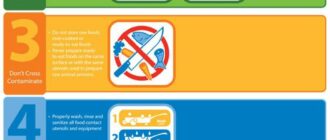
Another key aspect of proper food handling is preventing cross-contamination. This occurs when bacteria from one food item are transferred to another, potentially contaminating it. To prevent cross-contamination, it is important to separate raw meats, poultry, and seafood from other foods in the fridge. Additionally, it is crucial to use separate cutting boards and utensils for different types of foods, and to wash them thoroughly with hot, soapy water after each use.
Proper food handling also involves proper cooking and reheating techniques. It is important to cook foods, especially meats, to the appropriate internal temperature to ensure that harmful bacteria are killed. Using a food thermometer is the most accurate way to determine if a food is cooked to a safe temperature. When reheating leftovers, it is important to heat them to a temperature of at least 165°F (74°C) to kill any bacteria that may have grown during storage.
In conclusion, proper food handling is essential in ensuring the safety of the food we consume. By following guidelines for temperature control, preventing cross-contamination, and using proper cooking and reheating techniques, we can reduce the risk of foodborne illnesses and enjoy our meals with peace of mind.
Storing Food Safely
Ensuring the safety of stored food is crucial in maintaining its quality and preventing the growth of harmful bacteria. One of the most common methods of storing food safely is by using a refrigerator, which helps to keep food at a low temperature, slowing down the growth of bacteria.
When storing food in the fridge, it is important to ensure that it is properly sealed or covered to prevent cross-contamination. This can be done by using airtight containers or wrapping the food tightly with plastic wrap or aluminum foil. It is also recommended to label the containers with the date of storage to keep track of the freshness of the food.
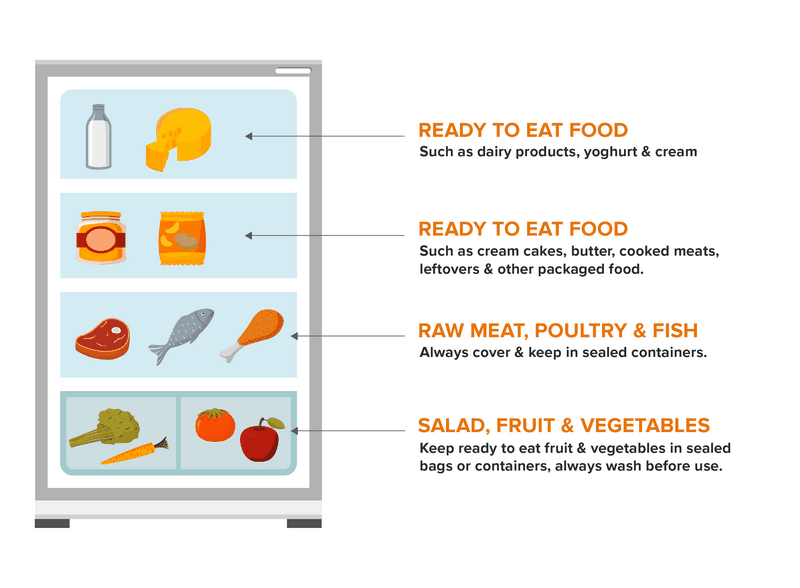
Organizing the fridge is another important aspect of storing food safely. It is advisable to keep raw meats and seafood on the bottom shelf to prevent any drips or leaks from contaminating other foods. Fruits and vegetables should be stored in the crisper drawer to maintain their freshness, while dairy products and leftovers should be stored on the upper shelves.
In addition to using the fridge, certain perishable foods can be stored in the freezer to extend their shelf life. Freezing food at or below 0°F (-18°C) helps to preserve its quality and prevent the growth of bacteria. It is important to properly package the food in freezer-safe containers or bags to prevent freezer burn and maintain the taste and texture of the food.
Regularly cleaning and maintaining the fridge is also essential for food safety. Spills and leaks should be promptly cleaned to prevent the growth of bacteria. The temperature of the fridge should be regularly monitored and adjusted to ensure that it is at the recommended level of 40°F (4°C) or below.
Refrigerator Guidelines
When it comes to food safety, the refrigerator plays a crucial role in ensuring that your food stays fresh and safe to eat. By following these guidelines, you can maintain the quality of your food and prevent the growth of harmful bacteria.
Temperature Control: It is important to keep your fridge at a temperature below 40°F (4°C) to slow down the growth of bacteria. Use a refrigerator thermometer to regularly monitor the temperature and make sure it stays within this range.
Storage Organization: Proper organization of your fridge can help prevent cross-contamination and ensure that your food stays safe. Store raw meats, poultry, and seafood on the bottom shelf to prevent their juices from dripping onto other foods. Keep ready-to-eat foods, such as leftovers and deli meats, on the top shelves.
Food Packaging: Store food in airtight containers or tightly sealed bags to prevent the spread of bacteria and odors. This will also help to maintain the quality and freshness of your food for a longer period of time.
Expiration Dates: Check the expiration dates on your food products regularly and discard any that have expired. This will help you avoid consuming expired food, which can pose a risk to your health.
Cleaning and Maintenance: Regularly clean your fridge to remove any spills or food residues that can harbor bacteria. Use a mild detergent and warm water to wipe down the shelves and drawers. Additionally, defrost your freezer regularly to maintain its efficiency and prevent the buildup of ice.
By following these refrigerator guidelines, you can ensure the safety of your food and reduce the risk of foodborne illnesses. Remember to always practice good hygiene and proper food handling techniques to keep yourself and your family safe.
Freezer Guidelines
When it comes to food safety, ensuring that your freezer is properly maintained and used is crucial. The freezer is an essential appliance in every kitchen, providing a convenient way to store and preserve food for longer periods of time. By following these freezer guidelines, you can ensure that your food remains safe and of high quality.
1. Properly package and label: When storing food in the freezer, it is important to package it properly to maintain its quality and prevent freezer burn. Use freezer-safe containers or bags and make sure to label them with the contents and date of freezing.
2. Follow the “first in, first out” rule: To prevent food from being forgotten and going bad in the freezer, organize it using the “first in, first out” rule. This means that older items should be placed in front and used first, while newer items are stored towards the back.
3. Maintain proper temperature: Keeping your freezer at the right temperature is essential for food safety. The ideal temperature for a freezer is 0°F (-18°C) or below. Use a thermometer to regularly check the temperature and adjust it if necessary.
4. Avoid overloading: While it may be tempting to fill your freezer to its maximum capacity, it is important to avoid overloading it. Overloading can prevent proper air circulation, leading to uneven freezing and potential food spoilage. Leave enough space for air to circulate around the items.
5. Keep a freezer inventory: To keep track of what you have in your freezer and avoid food waste, consider keeping a freezer inventory. This can be a simple list or a spreadsheet where you note the items you have and their expiration dates.
6. Thaw safely: When it’s time to use the frozen food, thaw it safely to avoid any potential bacterial growth. The safest way to thaw food is in the refrigerator. If you’re in a hurry, you can also use the microwave or cold water method, but be sure to cook the food immediately after thawing.
By following these freezer guidelines, you can ensure that your food remains safe and of high quality, ready to be enjoyed at your table. Remember to regularly clean and defrost your freezer to maintain its efficiency and prolong its lifespan.
Preventing Cross-Contamination
Cross-contamination is one of the most common causes of foodborne illnesses, and it can happen easily in the fridge. Ensuring food safety is crucial, and taking steps to prevent cross-contamination is an important part of that process.
Separate raw and cooked foods: It’s essential to keep raw meats, poultry, and seafood separate from other foods in the fridge. This prevents any bacteria or pathogens from spreading to other items.
Use proper storage containers: Store raw meats, poultry, and seafood in leak-proof containers to prevent any juices or liquids from contaminating other foods. Use separate containers for each type of meat to avoid cross-contamination.
Organize the fridge: Keep raw meats on the bottom shelf of the fridge, away from ready-to-eat foods. This prevents any drips or spills from falling onto other items and reduces the risk of cross-contamination.
Clean and sanitize: Regularly clean and sanitize the fridge to remove any bacteria or pathogens. Use a mild detergent and warm water to clean the shelves and drawers, and use a food-safe sanitizer to disinfect the surfaces.
Label and date: Properly label and date all containers and packages in the fridge to ensure that you use them before they spoil. This helps prevent the consumption of expired or spoiled foods, reducing the risk of foodborne illnesses.
Practice good hygiene: Wash your hands thoroughly before and after handling food, especially when switching between raw and cooked items. This helps prevent the spread of bacteria and reduces the risk of cross-contamination.
Follow storage guidelines: Follow the recommended storage guidelines for different types of foods. Some foods may require specific temperature settings or storage conditions to maintain their freshness and prevent cross-contamination.
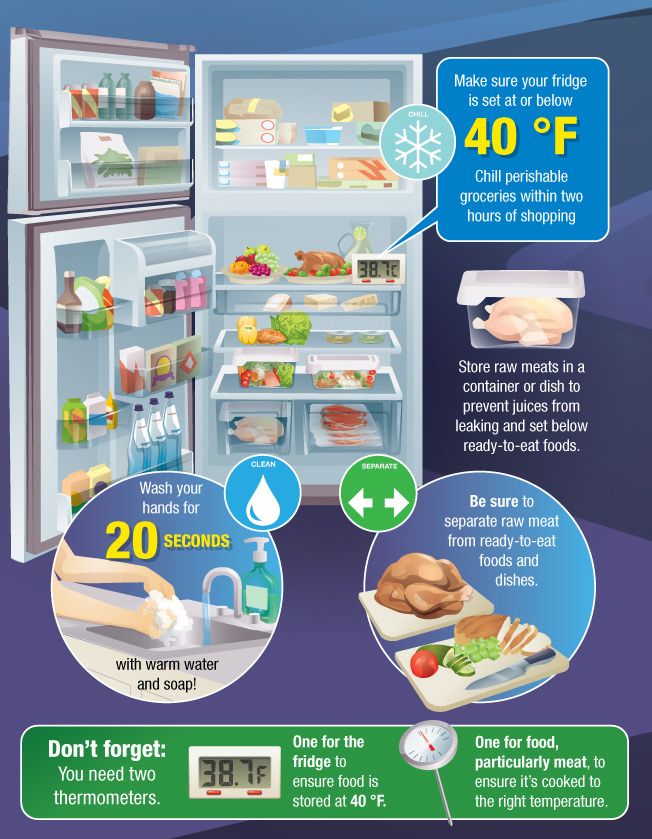
By following these steps and taking precautions, you can prevent cross-contamination in the fridge and ensure the safety of your food. It’s important to be mindful of food safety practices to protect yourself and your loved ones from foodborne illnesses.
Separating Raw and Cooked Foods
Ensuring food safety is crucial, especially when it comes to handling raw and cooked foods. One important step in this process is separating raw and cooked foods to prevent cross-contamination. Cross-contamination occurs when bacteria from raw foods, such as meat and poultry, come into contact with cooked foods or foods that are ready to eat.
To prevent cross-contamination, it is important to store raw foods, such as meat, poultry, and seafood, separately from cooked foods in the fridge. This can be done by placing raw foods on the lower shelves of the fridge, below cooked foods. It is also a good idea to use separate containers or bags to store raw foods, to prevent any juices from dripping onto other foods.
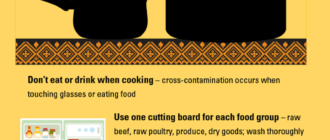
When preparing meals, it is important to use separate cutting boards and utensils for raw and cooked foods. This helps to prevent the transfer of bacteria from raw foods to cooked foods. It is also important to wash your hands thoroughly with soap and water before and after handling raw foods.
Additionally, it is important to cook raw foods, such as meat and poultry, to the appropriate internal temperature to ensure that any harmful bacteria are killed. Using a food thermometer is the best way to accurately determine the internal temperature of cooked foods.
By following these guidelines and separating raw and cooked foods, you can help to ensure the safety of the food you serve at your table. Remember, food safety is everyone’s responsibility!
Cleaning and Sanitizing
Ensuring the safety of food from the fridge to the table involves proper cleaning and sanitizing practices. Cleaning refers to the removal of visible dirt, while sanitizing involves killing or reducing bacteria and other microorganisms that can cause foodborne illnesses.
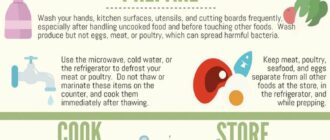
To clean effectively, start by washing your hands with soap and warm water for at least 20 seconds before and after handling food. Use separate cutting boards and utensils for raw meat, poultry, and seafood to prevent cross-contamination. Clean countertops, sinks, and other food preparation surfaces with hot, soapy water.
Sanitizing, on the other hand, requires the use of a sanitizer or a solution of bleach and water. Follow the instructions on the sanitizer label or mix 1 tablespoon of bleach with 1 gallon of water. Apply the sanitizer to surfaces and utensils, allowing it to sit for a few minutes before rinsing with clean water.
It’s important to regularly clean and sanitize your fridge to prevent the growth of bacteria and mold. Remove all food items, then use a solution of warm water and mild detergent to wipe down the shelves, drawers, and walls. Pay special attention to spills and stains. Rinse with clean water and dry thoroughly before restocking the fridge.
By following proper cleaning and sanitizing practices, you can ensure the safety of the food you serve at the table and reduce the risk of foodborne illnesses. Remember to clean and sanitize regularly to maintain a healthy kitchen environment.
Safe Cooking Practices
When it comes to food, ensuring safety is crucial from the moment it leaves the fridge to the moment it reaches the table. Safe cooking practices play a vital role in preventing foodborne illnesses and maintaining the quality of the food we consume.
1. Properly handle raw ingredients: When preparing meals, it is essential to handle raw ingredients, such as meat, poultry, and seafood, with care. Cross-contamination can occur if these ingredients come into contact with other foods. Use separate cutting boards and utensils for raw and cooked foods to prevent the spread of bacteria.
2. Cook food thoroughly: Cooking food to the appropriate temperature is crucial in killing harmful bacteria. Use a food thermometer to ensure that meat, poultry, and fish are cooked to the recommended internal temperature. This helps to eliminate the risk of foodborne illnesses, such as salmonella and E. coli.
3. Store leftovers properly: Leftovers should be stored promptly in the refrigerator to prevent the growth of bacteria. It is recommended to divide large portions into smaller containers to cool them quickly. Label the containers with the date and consume the leftovers within a few days to maintain their quality and safety.
4. Avoid cross-contamination: Cross-contamination can occur when bacteria from one food item spreads to another. To prevent this, wash hands thoroughly before and after handling raw ingredients, use separate cutting boards for different types of foods, and clean kitchen surfaces and utensils regularly.
5. Follow proper food storage guidelines: To ensure food safety, it is important to store perishable foods, such as meat, dairy products, and leftovers, at the appropriate temperature. Keep the refrigerator temperature below 40°F (4°C) and the freezer temperature below 0°F (-18°C). Check expiration dates and discard any expired or spoiled food.
6. Maintain a clean kitchen environment: A clean kitchen is essential for safe cooking practices. Regularly clean countertops, cutting boards, and utensils with hot, soapy water. Wash dishcloths, sponges, and towels frequently to prevent the growth of bacteria. Keep the kitchen well-ventilated to minimize the risk of airborne contaminants.
7. Educate yourself on safe food handling: Stay informed about safe food handling practices by reading reliable sources, attending food safety courses, and staying updated on food recalls. This knowledge will empower you to make informed decisions and ensure the safety of the food you prepare and consume.
Using a Food Thermometer
Ensuring the safety of our food is essential, from the moment it is stored in the fridge to the moment it is served on the table. One important tool that can help us in this process is a food thermometer. By using a food thermometer, we can accurately measure the internal temperature of our food, ensuring that it is cooked to the proper temperature and safe to eat.
When using a food thermometer, it is important to insert the probe into the thickest part of the food, away from bone or fat. This will give us the most accurate reading of the internal temperature. It is also important to clean and sanitize the thermometer after each use to prevent cross-contamination.
The temperature at which food is cooked can vary depending on the type of food. For example, poultry should be cooked to an internal temperature of 165°F (74°C), while ground meats should be cooked to 160°F (71°C). Using a food thermometer allows us to ensure that we are cooking our food to the proper temperature, reducing the risk of foodborne illnesses.
In addition to cooking temperatures, a food thermometer can also be used to check the temperature of leftovers before reheating. Leftovers should be heated to an internal temperature of 165°F (74°C) to ensure that any bacteria present in the food are killed.
By using a food thermometer, we can take the guesswork out of cooking and ensure that our food is safe to eat. Whether we are cooking a roast in the oven or grilling burgers on the barbecue, a food thermometer is an essential tool in the kitchen.
Proper Thawing Techniques
Ensuring food safety is essential, especially when it comes to thawing food. Improper thawing techniques can lead to the growth of harmful bacteria, putting your health at risk. To maintain food safety, follow these guidelines:
- Refrigerator thawing: The safest method to thaw food is in the refrigerator. Place the frozen food on a plate or in a shallow dish to catch any liquid that may drip. Keep the food in the fridge until it is completely thawed. This method may take some time, but it ensures that the food stays at a safe temperature throughout the thawing process.
- Cold water thawing: If you need to thaw food quickly, you can use the cold water method. Place the frozen food in a leak-proof plastic bag and submerge it in cold water. Change the water every 30 minutes to ensure it stays cold. This method is faster than refrigerator thawing but requires more attention to prevent the water from becoming too warm.
- Microwave thawing: The microwave can also be used to thaw food, but it is important to use the defrost setting and follow the manufacturer’s instructions. Be cautious when using this method, as some parts of the food may start to cook during the thawing process. It is recommended to cook the food immediately after thawing in the microwave to ensure thorough heating.
Remember, thawing food properly is crucial for maintaining food safety. Always choose the method that suits your needs and allows for safe and efficient thawing. Practice these proper thawing techniques to minimize the risk of foodborne illnesses and enjoy your meals with confidence.
Leftovers: How Long Can They Last?
When it comes to food safety, knowing how long leftovers can last is crucial. Leftovers refer to any cooked food that remains after a meal and is stored for later consumption. However, it is important to ensure that these leftovers are safe to eat.
Leftovers can be stored in the fridge to prolong their freshness and prevent the growth of bacteria. The fridge provides a cool and controlled environment that helps to maintain the safety of the food. It is recommended to store leftovers in airtight containers or wrap them tightly with plastic wrap to prevent contamination.
While storing leftovers in the fridge can help extend their shelf life, it is important to keep in mind that they should not be kept for too long. Generally, leftovers can be safely consumed within 3-4 days if stored properly. Beyond this time frame, the risk of foodborne illness increases as the bacteria can multiply and reach unsafe levels.
To ensure the safety of leftovers, it is important to follow certain guidelines. Always check the appearance and smell of the leftovers before consuming them. If they have an off smell or appear moldy, it is best to discard them. Additionally, reheating leftovers to an internal temperature of 165°F (74°C) can help kill any bacteria that may be present.
In conclusion, leftovers can be a convenient way to enjoy a meal again, but it is crucial to prioritize food safety. By storing leftovers in the fridge, ensuring proper storage and reheating, and being mindful of their shelf life, you can enjoy your leftovers without compromising your health.
Food Safety for Special Situations
When it comes to ensuring food safety, it’s important to consider special situations that may arise in the journey from the fridge to the table. Whether you’re hosting a picnic, packing a lunch, or preparing food for a road trip, there are specific precautions you should take to keep your food safe.
Picnics: When enjoying a picnic, it’s crucial to keep perishable foods at the right temperature. Use an insulated cooler with ice packs to keep cold foods cold and prevent bacteria growth. Pack foods in individual containers and keep them separate to avoid cross-contamination. Don’t forget to bring hand sanitizer and clean utensils for handling food.
Lunch Packing: When packing lunches for school or work, it’s important to prioritize food safety. Use an insulated lunch bag with an ice pack to keep perishable foods cold. Opt for foods that can be safely stored at room temperature, such as whole fruits, vegetables, and nut butter sandwiches. Pack foods in leak-proof containers to prevent spills and cross-contamination.
Road Trips: When embarking on a road trip, it’s essential to plan ahead for food safety. Pack a cooler with plenty of ice or frozen gel packs to keep perishable foods cold. Choose non-perishable snacks like granola bars, trail mix, and dried fruits for the journey. If you’re stopping at restaurants along the way, make sure to choose establishments with good hygiene practices.
By following these guidelines, you can ensure that your food remains safe and enjoyable in special situations. Remember to always prioritize food safety to protect yourself and others from foodborne illnesses.
Pregnant Women
Pregnant women need to be particularly careful about the food they consume to ensure the safety of both themselves and their unborn child. Ensuring food safety is crucial during this time to prevent any potential harm or complications.
One important aspect of ensuring food safety for pregnant women is to avoid consuming certain types of food that may pose a risk of foodborne illnesses. This includes raw or undercooked seafood, unpasteurized dairy products, and deli meats that are not heated properly. These foods can contain harmful bacteria such as Listeria, which can be dangerous for pregnant women.
It is also important for pregnant women to practice good hygiene and proper food handling. This includes washing hands thoroughly before and after handling food, as well as washing fruits and vegetables before consumption. Using separate cutting boards and utensils for raw meats and ready-to-eat foods can also help prevent cross-contamination.
Furthermore, pregnant women should be cautious when it comes to storing and reheating leftovers. Leftover food should be refrigerated promptly and consumed within a few days. When reheating leftovers, it is important to ensure that the food reaches a safe internal temperature to kill any potential bacteria.
Overall, pregnant women should be vigilant about the food they consume and take necessary precautions to ensure food safety. By following these guidelines, they can reduce the risk of foodborne illnesses and promote a healthy pregnancy for themselves and their baby.
Young Children and the Elderly
When it comes to ensuring food safety, special attention should be given to young children and the elderly. These two groups are more vulnerable to foodborne illnesses due to their weaker immune systems. It is important to take extra precautions to protect their health.
One way to ensure the safety of food for young children and the elderly is by properly storing it in the fridge. This means keeping perishable items, such as meat and dairy products, at the right temperature to prevent bacterial growth. Regularly checking the fridge’s temperature and ensuring it is set below 40°F (4°C) is crucial.
Additionally, it is important to handle and prepare food for young children and the elderly with care. Washing hands thoroughly before and after handling food is essential to prevent the spread of bacteria. Using separate cutting boards and utensils for raw and cooked foods can also help minimize the risk of cross-contamination.
Furthermore, cooking food thoroughly is crucial when preparing meals for young children and the elderly. Ensuring that meats are cooked to the appropriate internal temperature can help kill any harmful bacteria that may be present. Using a food thermometer is a reliable way to ensure that food is cooked to the proper temperature.
Lastly, it is important to be mindful of any allergies or dietary restrictions that young children and the elderly may have. Reading food labels carefully and avoiding foods that may trigger allergic reactions is essential. Additionally, ensuring that the meals provided are nutritionally balanced and meet any specific dietary needs is crucial for their overall health and well-being.
FAQ:
What are the main factors that contribute to foodborne illnesses?
The main factors that contribute to foodborne illnesses are improper food handling and storage, contamination from unclean surfaces or utensils, consumption of raw or undercooked foods, and cross-contamination between different types of foods.
How can I ensure the safety of the food I store in my fridge?
To ensure the safety of the food stored in your fridge, make sure to keep the temperature below 40°F (4°C). Store raw meats and seafood on the bottom shelf to prevent any drips or leaks from contaminating other foods. Keep leftovers in airtight containers and discard any expired or spoiled food.
Is it safe to eat leftovers that have been stored in the fridge for a few days?
Leftovers can be safe to eat if they have been stored properly in the fridge. It is recommended to consume leftovers within 3-4 days. Make sure to reheat them thoroughly before eating to kill any bacteria that may have grow