Food Safety Basics: Storing and Preparing Food Safely
When it comes to preparing and safely consuming food, it’s important to prioritize food safety. Understanding the basics of proper food handling and storage is crucial in preventing foodborne illnesses and ensuring the well-being of yourself and others. By following these essential tips, you can minimize the risk of contamination and enjoy your meals with peace of mind.
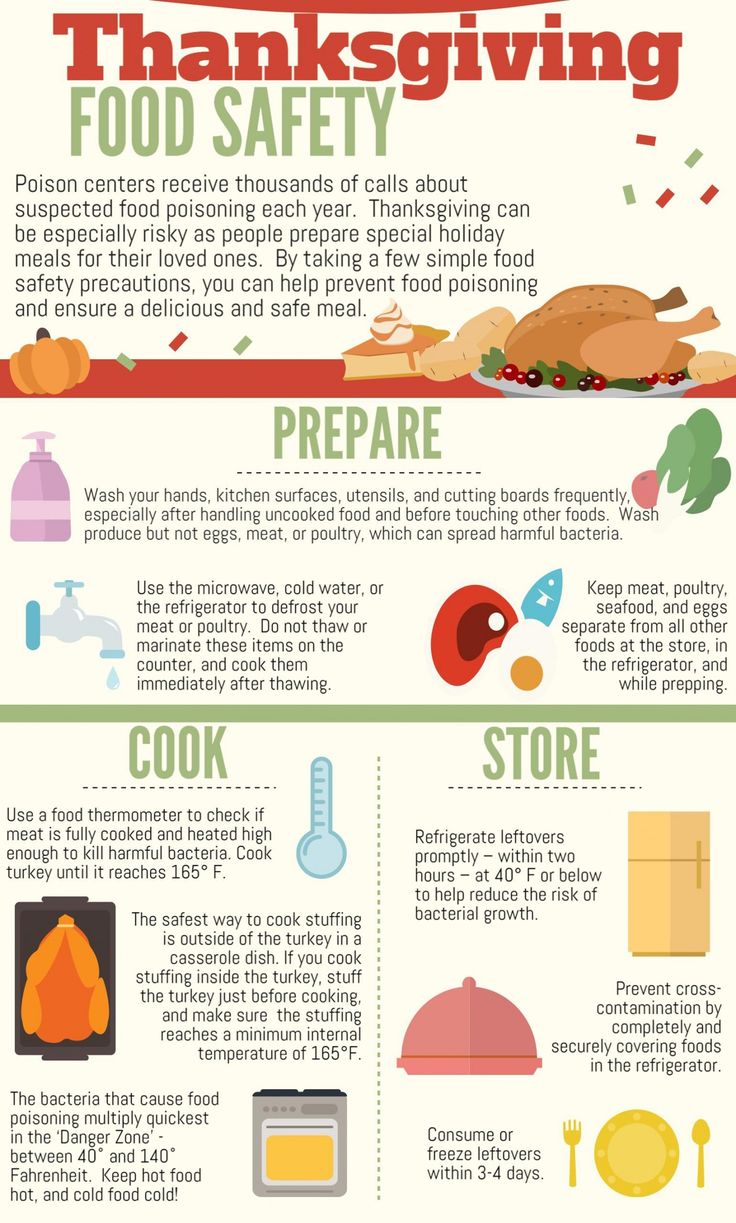
1. Store at the right temperature: Proper temperature control is key to preventing the growth of harmful bacteria. Keep your refrigerator at or below 40°F (4°C) and your freezer at 0°F (-18°C) to maintain the freshness and safety of your food.
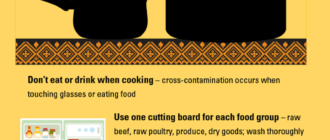
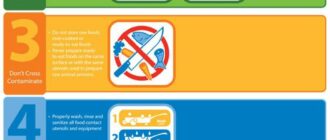
2. Separate raw and cooked foods: To prevent cross-contamination, it’s important to keep raw meats, poultry, and seafood separate from cooked foods, ready-to-eat foods, and produce. Use separate cutting boards and utensils for raw and cooked foods, and always wash your hands thoroughly after handling raw ingredients.
3. Cook food thoroughly: Cooking food to the right internal temperature is essential in killing harmful bacteria. Use a food thermometer to ensure that meats, poultry, seafood, and leftovers are cooked to the appropriate temperature. For example, poultry should reach an internal temperature of 165°F (74°C) to be considered safe to eat.
4. Practice proper hygiene: Good personal hygiene is a fundamental aspect of food safety. Wash your hands thoroughly with soap and warm water before and after handling food, especially after using the restroom, touching pets, or handling raw meats. Avoid touching your face, hair, or any other potentially contaminated surfaces while preparing food.
5. Store food properly: To prevent spoilage and maintain food safety, it’s important to store food in appropriate containers and locations. Keep raw meats, poultry, and seafood in sealed containers on the bottom shelf of the refrigerator to prevent any potential drips or leaks from contaminating other foods. Store dry goods in a cool, dry place away from direct sunlight.
By following these essential tips for properly storing and handling food, you can ensure that you and your loved ones are protected from foodborne illnesses. Remember, food safety should always be a top priority in your kitchen!
Importance of Food Safety
Food safety is an essential aspect of preparing and consuming food. When it comes to handling and storing food, it is crucial to follow proper safety guidelines to prevent foodborne illnesses and ensure the well-being of individuals.
Understanding the basics of food safety is vital for everyone, whether you are a professional chef or cooking at home. By practicing good food safety habits, you can reduce the risk of contamination and maintain the quality and freshness of the food you consume.
Properly storing food is a key component of food safety. This includes keeping perishable items refrigerated at the correct temperature, storing raw and cooked foods separately to avoid cross-contamination, and using appropriate containers to prevent spoilage.
Food safety also involves handling food with clean hands and utensils, ensuring that all surfaces and equipment are properly sanitized, and following safe cooking practices to eliminate harmful bacteria and pathogens.
By prioritizing food safety, you can protect yourself and others from foodborne illnesses and enjoy meals that are safe, healthy, and delicious.
Understanding Foodborne Illnesses
Foodborne illnesses are a major concern when it comes to storing, preparing, and handling food safely. These illnesses are caused by consuming contaminated food or beverages, which can lead to various symptoms such as nausea, vomiting, diarrhea, and abdominal pain. It is important to understand the basics of food safety to prevent the spread of these illnesses and protect yourself and others.
One of the key factors in preventing foodborne illnesses is properly storing food. This includes keeping perishable items, such as meat, poultry, and dairy products, refrigerated at the appropriate temperature. Storing these items at temperatures above 40°F (4°C) can promote the growth of bacteria and increase the risk of contamination. It is also important to separate raw and cooked foods to prevent cross-contamination.
Another essential aspect of food safety is safely preparing and cooking food. This involves washing your hands thoroughly before and after handling food, using separate cutting boards and utensils for raw and cooked foods, and cooking foods to the proper internal temperature. Cooking food to the right temperature can kill harmful bacteria and reduce the risk of foodborne illnesses.
Understanding the basics of food safety is crucial for preventing foodborne illnesses. This includes knowing how to properly store, handle, and prepare food to minimize the risk of contamination. By following these practices, you can ensure that the food you consume is safe and free from harmful bacteria.
Proper Handwashing Techniques
Handwashing is an essential practice for safely storing and handling food. It is a basic safety measure that helps prevent the spread of bacteria and other harmful microorganisms.
To ensure proper handwashing, follow these steps:
- Wet your hands with clean, running water.
- Apply soap and lather your hands thoroughly, including the backs of your hands, between your fingers, and under your nails.
- Scrub your hands for at least 20 seconds. You can sing the “Happy Birthday” song twice to ensure you wash for the recommended amount of time.
- Rinse your hands thoroughly under clean, running water.
- Dry your hands using a clean towel or air dryer.
It’s important to wash your hands:
- Before and after handling raw food, especially meat, poultry, and seafood.
- After using the restroom or changing diapers.
- Before and after eating.
- After touching garbage or handling animals.
Proper handwashing is a simple yet effective way to ensure the safety of the food you handle and consume. Make it a habit to wash your hands regularly to reduce the risk of foodborne illnesses.
Safe Food Storage Temperatures
Properly storing food is essential for maintaining its quality and safety. One key aspect of safe food storage is ensuring that the food is kept at the correct temperature. This helps to prevent the growth of harmful bacteria and other microorganisms that can cause foodborne illnesses.
When storing food, it is important to understand the basics of safe temperature ranges. The temperature danger zone for perishable foods is between 40°F (4°C) and 140°F (60°C). Within this range, bacteria can multiply rapidly, increasing the risk of foodborne illnesses.
To store food safely, it is recommended to keep perishable items, such as meat, poultry, fish, and dairy products, in the refrigerator at a temperature below 40°F (4°C). This helps to slow down the growth of bacteria and maintain the quality of the food.
For frozen food, the temperature should be kept at or below 0°F (-18°C) to prevent the growth of bacteria and maintain the texture and flavor of the food. It is important to note that freezing does not kill bacteria, but it can help to keep them in a dormant state.
When preparing food, it is also important to follow safe temperature guidelines. For example, when cooking meat, it is recommended to cook it to a minimum internal temperature to ensure that any harmful bacteria are killed. This temperature varies depending on the type of meat, so it is important to use a food thermometer to check the internal temperature.
By understanding and following safe food storage temperatures, you can help to prevent foodborne illnesses and ensure that your food is stored and prepared safely.
Organizing Your Refrigerator for Safe Storage
When it comes to food safety, properly storing and organizing your refrigerator is essential. By following some basic guidelines, you can ensure that your food stays fresh and safe to eat.
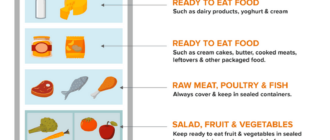
First, it’s important to store raw meats, poultry, and seafood on the bottom shelf of your refrigerator. This prevents any juices from dripping onto other foods and causing cross-contamination. Make sure to place these items in sealed containers or bags to further reduce the risk of contamination.
Next, separate your fruits and vegetables from raw meats. Store them in the crisper drawer or in separate compartments to prevent any potential contamination. Additionally, keep dairy products and eggs in their original packaging and place them on the middle shelves, where the temperature is most consistent.
To maximize the shelf life of your food, it’s important to keep your refrigerator at the proper temperature. The ideal temperature is between 34°F and 40°F (1°C and 4°C). Use a refrigerator thermometer to monitor the temperature and adjust as needed.
Another important tip is to regularly clean and organize your refrigerator. Remove any expired or spoiled food to prevent the growth of bacteria. Wipe down the shelves and drawers with a mild detergent to remove any spills or stains. This will help maintain a clean and safe environment for your food.
By following these guidelines, you can ensure that your food is stored safely and stays fresh for longer periods of time. Proper organization and maintenance of your refrigerator is key to maintaining food safety in your home.
Tips for Freezing Food Properly
When it comes to preparing food for freezing, it’s important to follow the basics of food safety to ensure that the food remains safe to eat. Here are some tips for properly freezing food:
- Choose fresh ingredients: Start with high-quality ingredients that are fresh and in their prime. Freezing can help preserve the quality of the food, but it won’t improve the taste or texture if the ingredients are already past their best.
- Properly package the food: Use appropriate containers or freezer bags to store the food. Make sure to label each package with the name of the food and the date it was frozen. This will help you keep track of what you have and ensure that you use the oldest items first.
- Remove excess air: When storing food in freezer bags, try to remove as much air as possible before sealing. This will help prevent freezer burn and maintain the quality of the food.
- Freeze in portion sizes: Divide larger quantities of food into smaller portions before freezing. This will make it easier to thaw and use only what you need, reducing waste and ensuring that the food is not exposed to air for longer than necessary.
- Properly label and organize: Keep a freezer inventory and label each package with the contents and date. This will help you easily find what you need and prevent food from being forgotten and going to waste.
- Follow recommended freezing times: Different types of food have different freezing times. Follow the recommended guidelines for each type of food to ensure that it remains safe to eat and maintains its quality.
- Thaw safely: When it’s time to use the frozen food, thaw it safely in the refrigerator or using the defrost setting on your microwave. Avoid thawing at room temperature, as this can promote bacterial growth.
By following these tips, you can ensure that your frozen food remains safe to eat and maintains its quality for longer periods of time.
Preventing Cross-Contamination in the Kitchen
Safety is of utmost importance when it comes to handling and preparing food. One of the basics of food safety is preventing cross-contamination. Cross-contamination occurs when harmful bacteria from one food item is transferred to another, potentially causing foodborne illnesses. To ensure the safety of your meals, it is crucial to follow proper practices for storing and preparing food.
To prevent cross-contamination, it is important to keep raw meats, poultry, and seafood separate from other foods. These items can carry harmful bacteria, such as Salmonella or E. coli, which can easily contaminate other foods if not handled properly. Use separate cutting boards, utensils, and plates for raw meats and vegetables to avoid any potential cross-contamination.
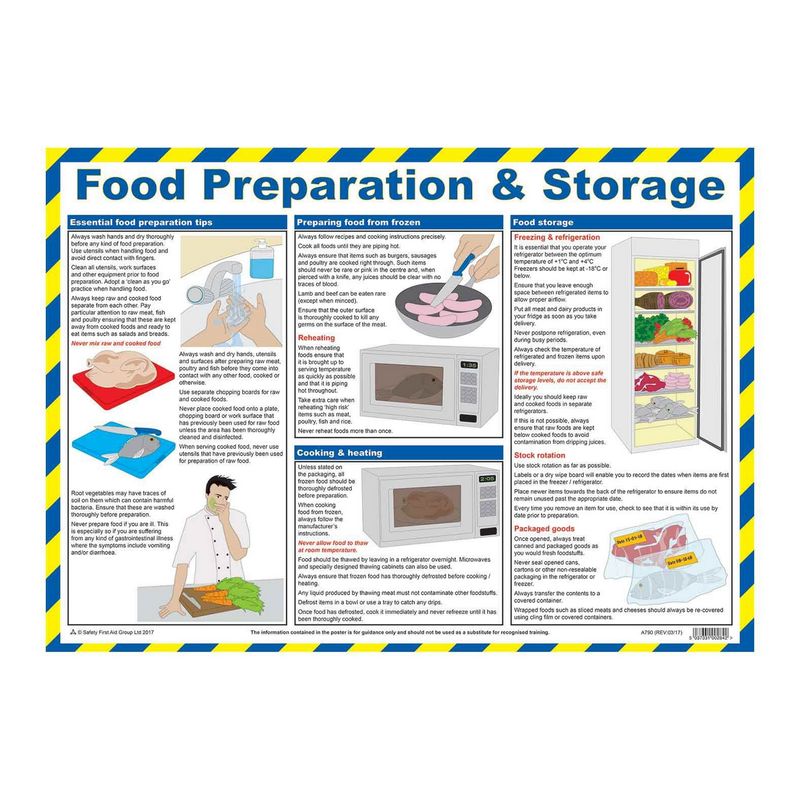
Properly washing your hands is another crucial step in preventing cross-contamination. Always wash your hands with warm water and soap before and after handling raw meats, poultry, or seafood. This helps to remove any bacteria that may be present on your hands and prevents it from spreading to other surfaces or foods.
When storing food in the refrigerator, it is important to keep raw meats, poultry, and seafood on the bottom shelf to prevent any drippings from contaminating other foods. Use airtight containers or bags to store these items and avoid any contact with ready-to-eat foods, such as fruits or vegetables.
- Properly cook all meats, poultry, and seafood to their recommended internal temperatures to kill any harmful bacteria that may be present. Use a food thermometer to ensure that the food has reached a safe temperature.
- Clean and sanitize all surfaces, utensils, and equipment after each use. Use hot, soapy water to wash cutting boards, knives, and countertops, and then sanitize them with a solution of one tablespoon of bleach per gallon of water.
- Be mindful of cross-contamination when serving food as well. Use separate serving utensils for different dishes to avoid any potential contamination. Additionally, if someone in your household has a foodborne illness, be extra cautious to prevent the spread of bacteria.
By following these food safety tips and practicing proper storing and preparing techniques, you can greatly reduce the risk of cross-contamination in your kitchen and ensure the safety of your meals.
Safe Handling of Raw Meat and Poultry
When it comes to the basics of safely handling raw meat and poultry, there are a few key steps to remember. Properly preparing and storing these foods is essential for preventing foodborne illnesses.
First and foremost, it is important to always wash your hands thoroughly before and after handling raw meat and poultry. This helps to remove any potential bacteria that may be present on your hands.
Next, it is crucial to keep raw meat and poultry separate from other foods to avoid cross-contamination. This means using separate cutting boards, utensils, and plates for raw meats and poultry, and ensuring that they are properly cleaned and sanitized after each use.
When storing raw meat and poultry in the refrigerator, it is important to keep them in sealed containers or plastic bags to prevent any juices from dripping onto other foods. It is also recommended to store these items on the lower shelves of the refrigerator to prevent any potential cross-contamination.
Finally, it is important to cook raw meat and poultry to the appropriate internal temperature to ensure that any harmful bacteria are killed. Using a food thermometer is the most accurate way to determine when these foods are fully cooked.
By following these safe handling practices, you can help to prevent foodborne illnesses and ensure that your meals are prepared and served safely.
Guidelines for Thawing Frozen Food
When it comes to storing and preparing food, safety should always be a top priority. Thawing frozen food properly is an essential step in ensuring that the food remains safe to eat. Here are some guidelines to follow:
- Plan ahead: If you know you will be using frozen food for a meal, make sure to thaw it in advance. This will prevent you from rushing the thawing process and potentially compromising food safety.
- Refrigerator thawing: The safest method for thawing frozen food is to place it in the refrigerator. This allows the food to thaw slowly and at a safe temperature. Be sure to place the food on a plate or in a container to catch any liquid that may drip.
- Cold water thawing: If you need to thaw food more quickly, you can use the cold water method. Place the frozen food in a leak-proof plastic bag and submerge it in cold water. Change the water every 30 minutes to ensure it stays cold. This method can take a bit more time and effort, but it is still safe as long as the food remains in its original packaging or a leak-proof bag.
- Microwave thawing: The microwave can also be used to thaw frozen food, but it is important to follow the manufacturer’s instructions. Use the defrost setting and rotate or flip the food regularly to ensure even thawing. Be cautious, as some parts of the food may start to cook during the thawing process.
By following these guidelines for thawing frozen food, you can ensure that your food remains safe and ready for preparing delicious meals.
Safe Cooking Temperatures for Different Foods
When it comes to food safety, it is important to ensure that the food we consume is cooked to the proper temperature. This helps to kill any harmful bacteria that may be present and reduces the risk of foodborne illnesses. Here are some safe cooking temperatures for different types of food:
- Poultry: Chicken and turkey should be cooked to an internal temperature of 165°F (74°C) to ensure that any bacteria, such as salmonella, are killed.
- Beef, Pork, and Lamb: Ground meats, like beef, pork, and lamb, should be cooked to a minimum internal temperature of 160°F (71°C) to eliminate any potential pathogens.
- Seafood: Fish and shellfish should be cooked to an internal temperature of 145°F (63°C) to ensure that they are safe to eat. This also applies to leftovers containing seafood.
- Eggs: Eggs should be cooked until both the yolk and white are firm. The internal temperature should reach at least 160°F (71°C) to kill any bacteria, such as salmonella.
- Leftovers: When reheating leftovers, such as cooked meats or casseroles, they should be heated to an internal temperature of 165°F (74°C) to ensure that any bacteria are destroyed.
Remember, these temperatures are the basics for ensuring food safety. It is important to use a food thermometer to accurately measure the internal temperature of your food. By properly storing, preparing, and cooking your food, you can reduce the risk of foodborne illnesses and keep yourself and your loved ones safe.
Avoiding Food Spoilage and Mold
Properly storing and handling food is essential for safely avoiding food spoilage and mold. By following the basics of food safety, you can ensure that your food stays fresh and free from harmful bacteria.
When storing food, it’s important to keep it in the right conditions. This includes storing perishable items, such as meat and dairy products, in the refrigerator at temperatures below 40°F (4°C). Additionally, make sure to separate raw meats from other foods to prevent cross-contamination.
Preparing food safely is another key aspect of avoiding spoilage and mold. Wash your hands thoroughly with soap and water before and after handling food. Use separate cutting boards for raw meats and produce to prevent cross-contamination. Cook foods to their proper internal temperatures to kill any bacteria present.
Proper storage containers are also important for preventing spoilage. Use airtight containers to keep food fresh and prevent mold growth. Avoid storing food in cans that are dented or bulging, as this can indicate spoilage or bacterial growth.
In addition to proper storage and preparation, it’s important to regularly check your food for signs of spoilage. Look for any unusual odors, discoloration, or mold growth. If you notice any of these signs, it’s best to discard the food to avoid the risk of foodborne illness.
By following these tips and practicing good food safety habits, you can safely avoid food spoilage and mold, ensuring that your food stays fresh and safe to eat.
Proper Cleaning of Kitchen Surfaces and Utensils
Ensuring the safety of your food starts with maintaining a clean kitchen environment. Properly cleaning your kitchen surfaces and utensils is crucial in preventing the spread of bacteria and other harmful pathogens.
When it comes to cleaning kitchen surfaces, it is important to use hot, soapy water and a scrub brush to remove any food residue or dirt. Pay special attention to areas where raw meat, poultry, or seafood may have come into contact with the surface.
Utensils, such as knives, cutting boards, and utensils, should also be cleaned thoroughly after each use. Wash them with hot, soapy water and use a brush to remove any food particles. It is important to sanitize these utensils to ensure the safety of the food you are preparing and storing.
You can sanitize your utensils by using a solution of one teaspoon of bleach mixed with one gallon of water. Soak the utensils in this solution for at least one minute before rinsing them with clean water. Alternatively, you can also use a dishwasher with a hot water cycle to sanitize your utensils.
Remember to always dry your kitchen surfaces and utensils thoroughly after cleaning. Moisture can promote the growth of bacteria, so it is important to ensure that everything is completely dry before using or storing them.
Tips for Safe Food Delivery and Takeout
When it comes to safely enjoying food delivery and takeout, there are a few important steps to follow to ensure food safety. Properly preparing and handling food is essential to prevent foodborne illnesses and keep yourself and your family safe.
Here are some basic tips to keep in mind:
- Choose reputable establishments: When ordering food for delivery or takeout, it’s important to choose establishments that prioritize food safety. Look for places with good reviews and a reputation for high standards of cleanliness and hygiene.
- Check for proper packaging: Make sure that the food you receive is properly packaged to maintain its temperature and prevent contamination. Look for sealed containers and insulated bags to keep hot foods hot and cold foods cold.
- Wash your hands: Before handling any food that you receive, it’s important to wash your hands thoroughly with soap and water. This helps to remove any potential germs or bacteria that may be on your hands.
- Reheat food properly: If you receive hot food that needs to be reheated, make sure to heat it thoroughly to kill any bacteria that may be present. Use a food thermometer to ensure that the internal temperature reaches at least 165°F (74°C).
- Separate raw and cooked foods: When storing leftovers or combining different dishes, it’s important to keep raw and cooked foods separate to prevent cross-contamination. Use separate containers and utensils for raw and cooked foods.
By following these tips, you can safely enjoy food delivery and takeout without compromising your health and safety. Remember to always prioritize food safety and take necessary precautions to prevent foodborne illnesses.
Importance of Date Labels and Food Expiration Dates
Properly storing and handling food is essential for food safety. One important aspect of food safety is understanding the importance of date labels and food expiration dates. These labels provide valuable information about the freshness and safety of the food we consume.
Date labels indicate the recommended timeframe for consuming or using a particular food product. They help consumers make informed decisions about the freshness and quality of the food. It is important to pay attention to these labels to ensure that we are consuming food that is safe and of good quality.
Expired food can pose serious health risks. Consuming expired food can lead to foodborne illnesses, such as food poisoning. These illnesses can cause symptoms like nausea, vomiting, diarrhea, and stomach cramps. By paying attention to date labels and food expiration dates, we can avoid these risks and ensure that we are consuming safe and healthy food.
When preparing meals, it is important to check the expiration dates of the ingredients we use. Using expired ingredients can compromise the safety and quality of the food we prepare. It is also important to properly store food to prolong its freshness and prevent spoilage. This includes keeping perishable items refrigerated at the appropriate temperature and storing them in airtight containers to prevent contamination.
In conclusion, understanding the importance of date labels and food expiration dates is crucial for maintaining food safety. By following these basics of storing and handling food, we can ensure that the food we consume is safe, fresh, and of good quality.
Food Safety Tips for Outdoor Grilling
Grilling food outdoors is a popular way to enjoy a meal with family and friends. However, it’s important to prioritize food safety to prevent any health risks. Here are some tips to help you safely store, prepare, and handle food during outdoor grilling:
- Properly store raw meat: It’s crucial to store raw meat in the refrigerator or a cooler until you’re ready to cook it. Keep it separate from other foods to avoid cross-contamination.
- Thaw meat safely: If you’re using frozen meat, make sure to thaw it properly. Thawing in the refrigerator is the safest method, but if you’re in a hurry, you can use the microwave or cold water bath.
- Marinate meat in the refrigerator: If you’re marinating meat before grilling, always do it in the refrigerator. This prevents bacterial growth and ensures the meat stays safe to eat.
- Use separate utensils: To avoid cross-contamination, use separate utensils for raw and cooked meat. This includes tongs, spatulas, and cutting boards. Wash them thoroughly between uses.
- Cook food thoroughly: Make sure to cook food, especially meat, thoroughly to kill any harmful bacteria. Use a food thermometer to check the internal temperature and follow the recommended cooking times.
- Keep hot food hot and cold food cold: When serving food, keep hot food hot (above 140°F/60°C) and cold food cold (below 40°F/4°C). This prevents bacteria from multiplying and causing foodborne illnesses.
- Store leftovers promptly: After the meal, store any leftovers in the refrigerator within two hours. If the outdoor temperature is above 90°F/32°C, refrigerate within one hour.
By following these food safety tips, you can ensure that your outdoor grilling experience is not only delicious but also safe for everyone to enjoy!
FAQ:
What are some essential tips for properly storing food?
Some essential tips for properly storing food include keeping perishable foods refrigerated at or below 40°F (4°C), storing raw meats separately from other foods, and using airtight containers or storage bags to prevent spoilage.
How long can you safely store leftovers in the refrigerator?
You can safely store leftovers in the refrigerator for up to four days. It is important to properly store leftovers in airtight containers or storage bags to maintain their freshness and prevent bacterial growth.