Plating Desserts Like a Pro: Techniques and Tips
Plating desserts is not just about putting food on a plate – it is an art form that requires skill, creativity, and attention to detail. Whether you are a professional chef or a home cook, mastering the techniques of plating can take your desserts from ordinary to extraordinary.
Like any form of art, plating desserts involves a combination of technical skills and artistic vision. It is about creating a visually appealing presentation that enhances the flavors and textures of the dessert. From the arrangement of the components to the use of colors and textures, every element of the plate should be carefully considered.
One of the key techniques in plating desserts is the use of different shapes and sizes. This can be achieved by using molds, cutting tools, or even your hands. By varying the shape and size of the components, you can create visual interest and balance on the plate. For example, you can use a round scoop of ice cream as a focal point and surround it with smaller, bite-sized treats.
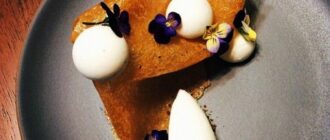
Another important aspect of plating desserts is the use of colors. Just like a painter uses different shades and tones to create depth and contrast, a chef can use a variety of colors to make the dessert visually appealing. This can be done through the use of colorful fruits, edible flowers, or even sauces and garnishes. The key is to create a harmonious color palette that complements the flavors of the dessert.
In addition to shapes and colors, texture also plays a crucial role in plating desserts. By combining different textures – such as smooth and creamy, crunchy and crispy, or soft and fluffy – you can create a more interesting and enjoyable eating experience. This can be achieved by adding crunchy toppings, using different cooking techniques, or incorporating contrasting textures in the components of the dessert.
Mastering the art of plating desserts takes time and practice, but with the right techniques and tips, you can create stunning and delicious desserts that will impress your guests. So, next time you prepare a dessert, take a moment to consider the presentation and unleash your creativity to create a masterpiece on a plate.
Understanding the Importance of Plating
Plating is a crucial skill for any dessert pro. It involves arranging and presenting desserts in an aesthetically pleasing manner, elevating the dining experience for the customers. The way a dessert is plated can greatly impact how it is perceived and enjoyed.
Like any art form, plating requires a combination of techniques and creativity. A skilled dessert pro knows how to balance flavors, textures, and colors on the plate, creating a visually stunning and delicious masterpiece. They understand the importance of using different plating techniques to enhance the overall presentation of the dessert.
Plating is not just about making a dessert look pretty. It is about creating a harmonious balance between taste and appearance. A well-plated dessert can make a lasting impression on the diners, leaving them wanting more. It can also make a dessert more enticing and appetizing, encouraging customers to try it.
Plating techniques can vary depending on the type of dessert being served. For example, a delicate and intricate dessert may require a more intricate plating technique, while a rustic dessert may benefit from a more casual and relaxed plating style. The dessert pro understands how to adapt their plating techniques to suit the dessert and the desired dining experience.
Ultimately, plating is a way to showcase the creativity and skill of the dessert pro. It is a way to transform a simple dessert into a work of art. By paying attention to the details and using their expertise, a dessert pro can elevate the dining experience and create a memorable dessert that will leave a lasting impression.
Choosing the Right Plate
When it comes to plating desserts, like a pro, the choice of the right plate is crucial. The plate serves as the canvas for your dessert masterpiece, so it’s important to consider its size, shape, and color.
Firstly, consider the size of the plate. It should be large enough to accommodate all the elements of your dessert without overcrowding. However, it shouldn’t be too big that it makes the dessert appear small and insignificant. Finding the right balance is key.
Secondly, think about the shape of the plate. Different desserts may look better on different shapes of plates. For example, a round plate can complement a circular cake or tart, while a rectangular plate can enhance the presentation of a layered dessert like a tiramisu.
The color of the plate is also important. It should complement the colors of the dessert and make them stand out. A neutral-colored plate, like white or cream, can provide a clean and elegant backdrop for vibrant and colorful desserts. On the other hand, a colorful plate can add a pop of excitement to a more monochromatic dessert.
Lastly, consider the material of the plate. Ceramic or porcelain plates are commonly used for plating desserts as they provide a classic and sophisticated look. However, you can also experiment with different materials like glass or slate for a more contemporary and unique presentation.
In conclusion, choosing the right plate is an essential part of mastering the art of plating desserts. By considering the size, shape, color, and material of the plate, you can create a visually appealing presentation that enhances the overall dining experience.
Creating a Balanced Composition
When it comes to plating desserts, creating a balanced composition is key. A well-balanced dessert not only looks visually appealing but also enhances the overall dining experience. Here are some tips to help you achieve a harmonious arrangement:
- Consider the colors: Just like a painter uses a color palette, a pro pastry chef carefully selects dessert components that complement each other in terms of color. Play with contrasting colors like a vibrant red berry coulis against a white vanilla mousse, or create a monochromatic effect by using different shades of a single color.
- Think about textures: A dessert that incorporates a variety of textures is more interesting to eat. Combine crunchy elements like a caramelized nut brittle with smooth components like a silky chocolate ganache. The contrast in textures adds a delightful dimension to the dessert.
- Pay attention to shapes: The shape of each dessert component can contribute to the overall composition. Use different shapes, like round, square, or triangular, to create visual interest. Experiment with cutting fruit into slices, cubes, or even using a melon baller to create unique shapes.
- Balance flavors: A well-balanced dessert should have a harmonious blend of flavors. Consider the taste profiles of each component and make sure they complement each other. For example, if you have a rich chocolate cake, pair it with a tart berry sauce to balance out the sweetness.
- Use garnishes strategically: Garnishes can add the finishing touch to a dessert, but be careful not to overcrowd the plate. Use them sparingly and strategically to enhance the overall composition. Fresh herbs, edible flowers, or a dusting of powdered sugar can be simple yet effective garnishes.
By following these tips, you can create visually stunning and delicious desserts that will impress your guests. Remember, plating desserts is not just about arranging ingredients on a plate, but it is an art form that requires attention to detail and a creative eye.
Using Color to Enhance Visual Appeal
When it comes to plating desserts, color plays a crucial role in enhancing the visual appeal of the dish. By using a variety of vibrant and contrasting colors, you can create a visually stunning presentation that will make your desserts look even more tempting.
One of the tips for using color effectively is to consider the color wheel. Colors that are opposite each other on the wheel, such as red and green or orange and blue, create a striking contrast and can make your dessert stand out on the plate. On the other hand, colors that are next to each other on the wheel, like yellow and orange, create a harmonious and cohesive look.
Another technique for using color is to incorporate different shades and tones. By using different shades of the same color, you can create depth and dimension in your plating. For example, you can use lighter shades of blue for a refreshing and airy feel, or darker shades of brown for a rich and decadent look.
Additionally, don’t forget about the power of garnishes and decorations. Fresh fruits, edible flowers, and colorful sauces can add pops of color to your dessert and elevate its visual appeal. Consider using berries for a burst of red, mint leaves for a touch of green, or a drizzle of caramel sauce for a warm and golden accent.
Finally, it’s important to think about the overall composition of your dessert. Balance is key when it comes to plating, so make sure to distribute the colors evenly across the plate. Consider using a combination of different shapes and textures to create a visually interesting arrangement.
In conclusion, using color effectively is a pro technique in plating desserts. By considering the color wheel, incorporating different shades and tones, and using garnishes and decorations, you can create visually stunning desserts that are sure to impress. So, don’t be afraid to get creative and experiment with different colors to enhance the visual appeal of your desserts!
Incorporating Texture for Added Interest
When it comes to plating desserts, incorporating different textures can take your presentation to the next level. By adding a variety of textures, you not only enhance the visual appeal of your dish, but also create a more interesting and enjoyable eating experience for your guests. Here are some techniques and tips for incorporating texture into your dessert plating:
- Crunchy Elements: Adding crunchy elements like toasted nuts, caramelized sugar, or crispy cookies can provide a satisfying contrast to the softness of your dessert. These textures can be achieved by garnishing your dish with crushed nuts, sprinkling sugar on top and torching it, or adding a cookie or wafer on the side.
- Smooth and Creamy Components: Combining smooth and creamy components with crunchy or chewy elements can create a delightful contrast in textures. For example, you can pair a velvety chocolate mousse with a crunchy chocolate crumble or a silky vanilla custard with a chewy caramel drizzle.
- Fruit Variations: Incorporating different textures of fruits can add both visual interest and varied mouthfeel to your dessert. You can include fresh, juicy fruits, such as berries or citrus segments, alongside dehydrated or candied fruit slices for a mix of textures.
- Gelatin or Panna Cotta: Using gelatin or panna cotta as a component in your dessert can provide a smooth and jiggly texture that contrasts well with other elements. You can experiment with different flavors and colors to create visually stunning and texturally interesting layers.
- Crumb or Soil: Creating a crumb or soil using ingredients like crushed cookies, biscuits, or even freeze-dried fruits can add a sandy texture to your dessert. This can be sprinkled on top or layered between different components to add depth and interest.
- Temperature Contrast: Incorporating hot and cold elements in your dessert can create a surprising and enjoyable texture contrast. For example, you can serve a warm cake or brownie with a scoop of cold ice cream or a chilled sorbet with a warm fruit compote.
By incorporating these texture techniques into your dessert plating, you can elevate your creations to pro-level and provide a memorable dining experience for your guests. Experiment with different combinations and have fun exploring the world of textures in desserts!
Playing with Height and Layers
When it comes to plating desserts, creating height and layers can add visual interest and elevate the overall presentation. This technique is often used by professional chefs to make their desserts look more enticing and appealing.
One tip for playing with height is to use different components of the dessert to create layers. For example, you can layer a creamy mousse on top of a crunchy cookie base, or stack thin slices of cake with layers of frosting in between. This not only adds texture to the dessert but also creates a visually appealing contrast.
Another technique is to use tools like a ring mold or a cookie cutter to create individual layers. This allows you to create precise and uniform layers that can be easily stacked or arranged on the plate. You can also use a piping bag to pipe different components of the dessert in layers, like a swirl of whipped cream on top of a layer of fruit compote.
Playing with height and layers also involves considering the placement of the dessert on the plate. You can place a taller element, like a scoop of ice cream or a piece of cake, in the center of the plate and surround it with smaller elements, like drizzles of sauce or sprinkles of nuts. This creates a focal point and draws the eye towards the center of the plate.
Overall, mastering the art of playing with height and layers in plating desserts requires practice and experimentation. By using different techniques and tips, you can create visually stunning and delicious desserts that will impress your guests and leave them wanting more.
Utilizing Sauces and Drizzles
When it comes to plating desserts, sauces and drizzles can be a pro’s secret weapon. These techniques allow you to add both flavor and visual appeal to your creations, taking them to the next level. Whether you’re a professional pastry chef or just like to impress your guests with beautiful desserts, mastering the art of utilizing sauces and drizzles is essential.
One tip for using sauces and drizzles is to consider the flavor profile of your dessert. Think about what flavors will complement or enhance the main components of your dish. For example, if you’re plating a rich chocolate cake, a raspberry coulis or a salted caramel drizzle can add a contrasting tanginess or sweetness that will balance the richness of the cake.
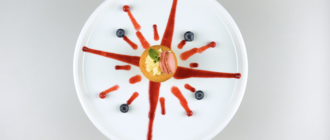
Another technique is to use sauces and drizzles to create artistic designs on the plate. This can be achieved by using a squeeze bottle or a spoon to carefully drizzle the sauce in a deliberate pattern. You can create swirls, dots, or even write words or draw shapes. This adds a visual element to your dessert and makes it look more professional and impressive.
Additionally, sauces and drizzles can be used to create a contrast in textures. For example, if you’re serving a creamy panna cotta, a crunchy caramel drizzle or a tangy fruit sauce can provide a textural contrast that enhances the overall eating experience. This combination of different textures adds depth and complexity to your dessert.
Lastly, don’t be afraid to experiment with different sauce and drizzle flavors. Get creative and try unusual combinations that you think might work well together. This can result in unique and memorable desserts that will leave a lasting impression on your guests. Remember, the key is to balance the flavors and create harmony in your dish.
In conclusion, utilizing sauces and drizzles is a technique that can elevate your dessert plating skills. By considering the flavor profile, creating artistic designs, adding texture contrasts, and experimenting with different flavors, you can create stunning desserts that not only taste delicious but also look like works of art.
Adding Fresh Herbs and Edible Flowers
In the art of plating desserts, adding fresh herbs and edible flowers can elevate the presentation and flavor profile of your dishes. These natural elements not only add a pop of color to your desserts but also provide a unique and refreshing taste.
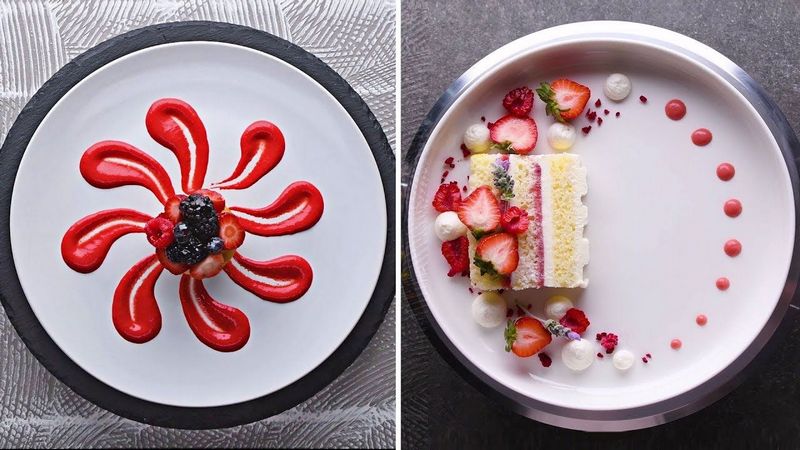
One pro tip is to use herbs like mint, basil, or thyme to garnish your desserts. These herbs not only add a touch of vibrant green to your plating but also bring a fresh and aromatic aroma to the dish. You can either sprinkle the herbs on top or use them as a bed for your dessert to create a visually appealing presentation.
Incorporating edible flowers into your dessert plating is another technique that can take your creations to the next level. Flowers like violets, pansies, or rose petals can add a delicate and romantic touch to your desserts. You can place them on top of your dessert, scatter them around the plate, or even freeze them in ice cubes for a stunning effect.
When using fresh herbs and edible flowers, it’s important to choose ones that complement the flavors of your desserts. For example, lavender or rosemary can pair well with citrus desserts, while thyme or sage can enhance the taste of chocolate or caramel-based treats. Experiment with different combinations to find the perfect balance of flavors.
Remember to always use organic and pesticide-free herbs and flowers. Wash them thoroughly before use and remove any stems or parts that are not edible. Edible flowers should be consumed in moderation, as some individuals may have allergies or sensitivities to certain types.
Adding fresh herbs and edible flowers to your dessert plating not only showcases your attention to detail but also adds an element of surprise and elegance to your creations. So, get creative and experiment with different combinations to create visually stunning and delicious desserts that will impress your guests.
Using Garnishes to Elevate the Dish
Garnishes are an essential element in plating desserts. They not only add visual appeal to the dish but also enhance the overall flavor and texture. By strategically placing garnishes, you can create a stunning presentation that will impress your guests.
One pro tip for using garnishes is to choose ingredients that complement the flavors of the dessert. For example, if you are plating a chocolate cake, you can use fresh berries as a garnish to add a burst of freshness and acidity. Alternatively, you can sprinkle some cocoa powder or dust the plate with powdered sugar to add a touch of elegance.
Another technique to elevate the dish is to use contrasting colors and textures. For instance, if you are plating a creamy panna cotta, you can garnish it with a vibrant fruit coulis or a crunchy caramel tuile. This contrast not only adds visual interest but also creates a harmonious balance of flavors and textures.
When it comes to garnishing desserts, presentation is key. Take the time to carefully arrange the garnishes on the plate, paying attention to the placement and balance. You can use tweezers or small spoons to position the garnishes precisely. Remember, a well-plated dessert is a work of art, so take your time and make every detail count.
Lastly, don’t be afraid to experiment with different garnishes. Get creative and try using edible flowers, microgreens, or even a drizzle of flavored syrup. The possibilities are endless, so have fun and let your imagination run wild. Just remember to taste test your garnishes beforehand to ensure they complement the dessert.
In conclusion, garnishes are a powerful tool for elevating the dish. With the right selection and placement, they can transform a simple dessert into a restaurant-worthy masterpiece. So, take these pro tips and start experimenting with garnishes to create visually stunning and delicious desserts that will leave a lasting impression on your guests.
Working with Different Shapes and Sizes
When it comes to plating desserts, the shape and size of your plate can greatly impact the overall presentation. Whether you are serving a delicate tart or a towering cake, understanding how to work with different shapes and sizes is essential for creating a visually appealing dessert.
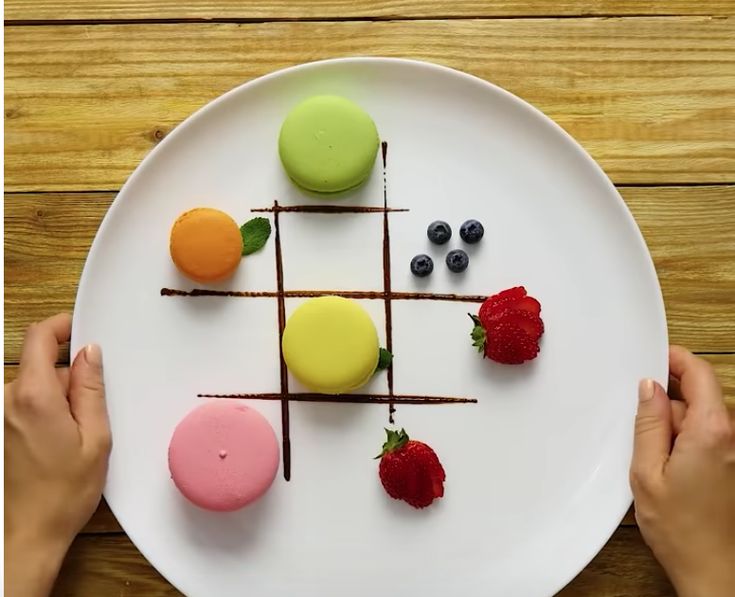
One pro technique for working with different shapes and sizes is to consider the proportions of your dessert. For example, if you are serving a small, individual dessert like a macaron or a truffle, it is best to use a smaller plate to ensure that the dessert doesn’t get lost. On the other hand, if you are serving a larger dessert like a layered cake or a pie, a larger plate can help showcase the dessert and give it room to shine.
Another technique is to play with the placement of your dessert on the plate. Placing your dessert off-center can create a more dynamic and visually interesting presentation. You can also use the negative space on the plate to your advantage, allowing the dessert to stand out even more.
When working with different shapes and sizes, it is important to consider the overall balance and harmony of the plating. Using a variety of shapes and sizes can create visual interest, but it is important to ensure that the dessert remains the focal point. One way to achieve this is by using complementary shapes and sizes, such as pairing a round dessert with a rectangular plate.
In conclusion, mastering the art of plating desserts involves understanding how to work with different shapes and sizes. By considering the proportions of your dessert, playing with placement, and creating balance and harmony, you can create visually stunning and appetizing desserts that will impress your guests.
Creating Artistic Patterns and Designs
When it comes to plating desserts, the presentation is just as important as the taste. Creating artistic patterns and designs can elevate your dessert to a whole new level. Here are some tips and techniques to help you master the art of plating:
- Play with colors: Use a variety of colorful ingredients like fruits, edible flowers, and sauces to add vibrancy to your dessert plate. Experiment with different combinations to create visually appealing patterns.
- Utilize negative space: Leave some empty space on the plate to create a sense of balance and harmony. This will allow the focal point of your dessert to stand out and be the star of the show.
- Layering: Create depth and dimension by layering different components of your dessert. For example, you can layer a cake with mousse or stack cookies with cream. This not only adds visual interest but also enhances the taste and texture of your dessert.
- Texture contrast: Incorporate different textures in your dessert to create an interesting contrast. For example, pair a creamy mousse with a crunchy biscuit or a smooth ice cream with a crispy tuile. This will make your dessert more exciting to eat.
- Use garnishes: Garnishes like mint leaves, chocolate shavings, or caramel drizzles can add the finishing touch to your dessert. They not only enhance the visual appeal but also provide additional flavors and textures.
- Play with shapes: Use cookie cutters or molds to shape your dessert components into interesting shapes. This can add a fun and playful element to your plating.
By incorporating these tips and techniques, you can create stunning and artistic patterns and designs on your dessert plates. Remember to let your creativity and imagination guide you as you explore the world of dessert plating.
Balancing Sweetness and Acidity
When it comes to plating desserts, finding the right balance between sweetness and acidity is crucial. The combination of these two flavors can elevate a dessert and create a harmonious taste experience.
One technique to achieve this balance is to incorporate acidic ingredients, like lemon or lime juice, into your dessert. The acidity helps to cut through the sweetness, adding a refreshing and tangy element to the overall flavor profile.
Another tip is to use fruits that have a natural tartness, such as berries or citrus fruits. These fruits not only provide a burst of acidity but also add vibrant colors to your dessert plate.
It’s also important to consider the texture of your dessert when balancing sweetness and acidity. For example, a creamy dessert like cheesecake can benefit from a tart fruit compote or a drizzle of citrus-infused sauce to balance out the richness.
When plating your dessert, think about incorporating different layers of sweetness and acidity. For instance, you can use a sweet sauce as a base, then add a layer of tart fruit, and finish off with a sprinkle of tangy citrus zest. This layering technique adds depth to the flavor profile and creates a more complex and balanced dessert.
Overall, mastering the art of balancing sweetness and acidity in your plated desserts requires experimentation and attention to detail. By incorporating acidic ingredients, using tart fruits, considering texture, and layering flavors, you can create desserts that are not only visually appealing but also perfectly balanced in taste.
Incorporating Temperature Contrasts
When it comes to plating desserts, incorporating temperature contrasts can elevate your dish to a whole new level. By combining hot and cold elements, you can create a sensory experience that delights the palate and surprises the taste buds.
One pro tip for incorporating temperature contrasts is to use a warm dessert base as the foundation of your dish. This could be a freshly baked cake, a warm pastry, or a decadent brownie. By starting with a warm element, you create a stark contrast when paired with a cold component.
Another technique is to incorporate frozen elements into your dessert. This could be in the form of ice cream, sorbet, or a frozen mousse. Placing a scoop of cold ice cream on top of a warm cake not only creates a temperature contrast but also adds a creamy and refreshing element to the dessert.
Additionally, you can play with temperature contrasts by using ingredients that naturally have different temperatures. For example, pairing a warm fruit compote with a scoop of chilled yogurt can create a delightful balance of flavors and temperatures.
Lastly, consider using temperature contrasts in the presentation of your dessert. Placing a warm component next to a cold one can create a visually striking contrast that entices the diner. This could be achieved by arranging a warm chocolate lava cake next to a scoop of cold vanilla ice cream.
Incorporating temperature contrasts in your dessert plating not only adds complexity and depth to your dish but also enhances the overall dining experience. By carefully selecting and combining hot and cold elements, you can create a dessert that is both visually stunning and deliciously satisfying.
Paying Attention to Portion Sizes
When it comes to plating desserts, paying attention to portion sizes is an important aspect of creating visually appealing and balanced presentations. By carefully considering the amount of dessert you serve, you can ensure that your dish looks professional and enticing.
One technique to keep in mind is using smaller plates or bowls for your desserts. This creates the illusion of a larger portion size, making your dessert appear more substantial. Additionally, using smaller plates allows you to focus on the details of your plating, highlighting the intricate design and textures of your dessert.
Another tip is to consider the ratio of dessert to empty space on the plate. Leaving some empty space around your dessert can create a sense of elegance and sophistication. It also allows the dessert to stand out as the main focal point of the plate.
When plating desserts, it’s important to strike a balance between portion size and presentation. While you want your dessert to be visually appealing, you also want to make sure that your guests are satisfied with the amount of dessert they receive. Offering a variety of desserts in smaller portions can be a great way to give your guests options while still keeping portion sizes manageable.
In conclusion, paying attention to portion sizes is a crucial aspect of plating desserts. By using techniques like using smaller plates, considering the ratio of dessert to empty space on the plate, and offering a variety of smaller portion sizes, you can create visually stunning desserts that leave your guests satisfied and impressed.
Practicing and Experimenting to Improve
Mastering the art of plating desserts requires a combination of skill, creativity, and practice. As a pro in the field, it is essential to constantly experiment with different techniques and tips to enhance your dessert presentation.
One effective way to improve your plating skills is by studying and learning from experienced chefs. Take the time to observe their techniques and pay attention to the small details that make a difference in the final presentation. By understanding their methods, you can adapt and incorporate them into your own style.
Another valuable practice is to experiment with various plating techniques. Try different arrangements, such as stacking, layering, or using molds to create unique shapes. Play with colors, textures, and flavors to create visually appealing and delicious desserts.
Don’t be afraid to think outside the box and push the boundaries of traditional plating. Embrace your creativity and let it shine through your desserts. Incorporate elements like edible flowers, decorative sauces, or even edible art to add an extra wow factor to your creations.
Remember that plating is not just about presentation; it also plays a role in enhancing the overall dining experience. Pay attention to the balance of flavors and textures on the plate. Consider the combination of sweet and savory elements, as well as the contrast between crunchy and smooth textures.
Finally, always seek feedback and critique from others, whether it’s from colleagues, mentors, or even customers. Constructive criticism can be invaluable in identifying areas for improvement and refining your plating skills.
In conclusion, becoming a master in the art of plating desserts requires continuous practice and experimentation. By studying, learning, and incorporating different techniques and tips, you can elevate your desserts to a whole new level and create unforgettable dining experiences.
FAQ:
What are some expert techniques for plating desserts?
Some expert techniques for plating desserts include using different textures, colors, and shapes to create visual interest, using edible garnishes to add flavor and decoration, and using sauces or coulis to add a finishing touch to the plate.
How can I create visual interest when plating desserts?
You can create visual interest when plating desserts by using different textures, colors, and shapes. For example, you can layer different components of the dessert to create a sense of depth, use contrasting colors to make the dessert pop, and use different shapes for the elements on the plate.
What are some examples of edible garnishes for plating desserts?
Some examples of edible garnishes for plating desserts include fresh fruits, herbs, edible flowers, chocolate shavings, and caramelized nuts. These garnishes not only add flavor to the dessert but also enhance its visual appeal.
How can I use sauces or coulis to enhance the presentation of a dessert?
You can use sauces or coulis to enhance the presentation of a de