Master the Art of Sautéing Vegetables with These Essential Techniques
When it comes to cooking vegetables, sautéing is a key technique that can take your dishes to the next level. Sautéing involves quickly cooking vegetables in a small amount of oil or fat over high heat. This method not only brings out the natural flavors of the vegetables, but also creates a perfect balance of tenderness and crispness.
One of the key techniques for sautéing vegetables is to ensure that your pan is hot before adding the oil. This allows the vegetables to cook quickly and evenly, without becoming mushy. It’s also important to cut your vegetables into uniform pieces to ensure even cooking.
Another important technique is to avoid overcrowding the pan. If you add too many vegetables at once, they will release moisture and steam instead of browning. To achieve that perfect caramelization, make sure to cook your vegetables in batches, giving them enough space to cook evenly.
Lastly, don’t forget to season your vegetables. Adding salt and pepper at the beginning of the cooking process helps to enhance the flavors. You can also experiment with different herbs and spices to add a depth of flavor to your sautéed vegetables.
Choosing the Right Vegetables for Sautéing
When it comes to sautéing, selecting the right vegetables is key to achieving perfect results. Different vegetables have different textures and cooking times, so it’s important to choose ones that will hold up well to the sautéing technique. Here are some techniques to help you make the right choices:
- Choose vegetables with a firm texture: Vegetables like bell peppers, broccoli, carrots, and zucchini are great options for sautéing because they have a firm texture that holds up well to the heat. This ensures that they won’t become mushy or overcooked during the sautéing process.
- Consider the cooking time: Some vegetables cook faster than others, so it’s important to consider the cooking time when choosing which ones to sauté. For example, thinly sliced onions and mushrooms cook quickly, while denser vegetables like potatoes and winter squash take longer to cook.
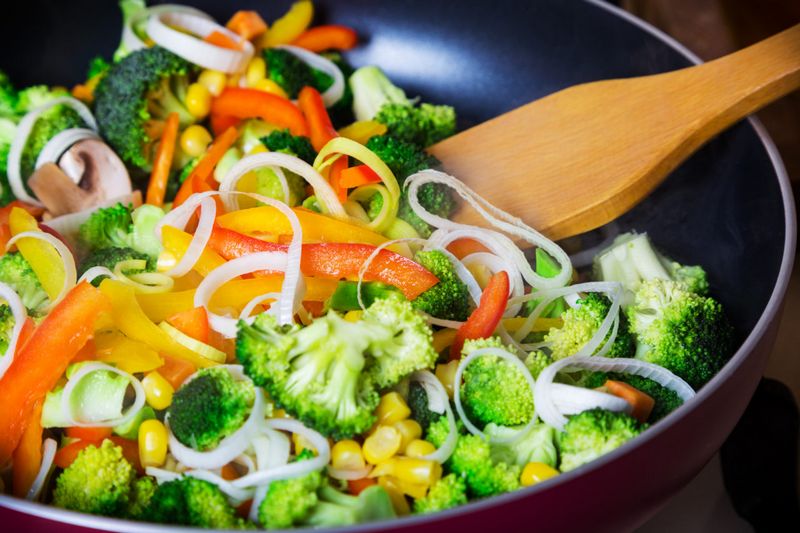
- Opt for colorful vegetables: Adding a variety of colorful vegetables not only makes your sauté visually appealing, but it also adds different flavors and textures to the dish. Consider using a mix of red, yellow, and green bell peppers, or a combination of broccoli, cauliflower, and carrots.
- Experiment with different vegetables: Don’t be afraid to try sautéing different vegetables to discover new flavors and textures. Vegetables like asparagus, green beans, snap peas, and Brussels sprouts can all be delicious when sautéed.
By choosing the right vegetables for sautéing and using the proper techniques, you can achieve perfectly cooked and flavorful dishes every time. So, get creative and start sautéing!
Preparing Vegetables for Sautéing
When it comes to sautéing vegetables, proper preparation is key to achieving perfect results. By following a few techniques, you can ensure that your vegetables are cooked to perfection and retain their natural flavors and textures.
1. Cleaning: Before sautéing, it is important to thoroughly clean your vegetables. Rinse them under cold water to remove any dirt or debris. For leafy greens, such as spinach or kale, remove the tough stems and tear the leaves into bite-sized pieces.
2. Drying: Moisture is the enemy of a good sauté. After cleaning, make sure to dry your vegetables thoroughly. Excess moisture can cause the vegetables to steam instead of sauté, resulting in a soggy texture. Use a clean kitchen towel or paper towels to pat the vegetables dry.
3. Cutting: The way you cut your vegetables can affect both their cooking time and texture. For even cooking, it is important to cut the vegetables into uniform pieces. This ensures that they cook at the same rate and have a consistent texture. Consider the desired end result and choose an appropriate cut, such as julienne, dice, or slice.
4. Seasoning: Before sautéing, season your vegetables with salt and pepper to enhance their natural flavors. You can also add herbs, spices, or other seasonings to elevate the taste. Toss the vegetables gently to evenly distribute the seasoning.
5. Preheating the pan: To achieve a perfect sauté, it is essential to preheat your pan. Heat the pan over medium-high heat and add a small amount of oil or butter. Allow the oil or butter to heat until it shimmers or melts, then add your vegetables.
6. Cooking: When sautéing vegetables, it is important to cook them quickly over high heat. This helps to maintain their crispness and prevent them from becoming mushy. Stir the vegetables frequently to ensure even cooking and prevent them from sticking to the pan. Cook until they are tender but still retain some bite.
By following these techniques for preparing vegetables for sautéing, you can achieve perfect results every time. Experiment with different vegetables and seasonings to create delicious and flavorful dishes that are sure to impress.
Slicing and Dicing Techniques for Sautéing
When it comes to sautéing vegetables, the key to achieving perfect results lies in the way you slice and dice them. Properly preparing your vegetables before cooking can make a big difference in the final dish. Here are some techniques to help you master the art of sautéing:
- Uniformity: To ensure even cooking, it is important to slice or dice your vegetables into uniform pieces. This will help them cook at the same rate and prevent some pieces from being undercooked while others are overcooked.
- Size: The size of your vegetable pieces will also affect the cooking time. Smaller pieces will cook faster, while larger pieces will take longer. Consider the recipe you are following and the desired texture of the vegetables to determine the appropriate size.
- Shape: The shape of your vegetable cuts can also impact the cooking process. For example, thin slices or julienne cuts will cook more quickly than thicker slices or cubes. Consider the cooking time and the desired presentation of the dish when choosing the shape of your cuts.
- Consistency: It is important to maintain consistency in the thickness of your vegetable slices or dices. This will ensure that they cook evenly and have a uniform texture. Use a sharp knife and try to make your cuts as consistent as possible.
- Technique: There are various cutting techniques you can use for sautéing vegetables, such as julienne, dice, mince, and chiffonade. Each technique creates a different texture and appearance, so choose the one that best suits your recipe and desired outcome.
- Preparation: Before you start slicing and dicing your vegetables, make sure to wash and dry them thoroughly. This will remove any dirt or debris and prevent them from becoming soggy during cooking.
By mastering these slicing and dicing techniques, you will be well on your way to creating perfect sautéed vegetables every time. Experiment with different cuts and see how they affect the texture and flavor of your dishes. With practice, you will become more confident in your sautéing skills and be able to create delicious and visually appealing vegetable dishes.
Heat and Oil Selection for Sautéing
When it comes to sautéing vegetables, heat and oil selection are key techniques for achieving perfect results. The right combination of heat and oil can make a significant difference in the texture and flavor of your sautéed vegetables.
First, let’s talk about heat. Sautéing is typically done over medium to high heat. This high heat helps to quickly cook the vegetables while maintaining their crispness. It’s important to preheat your pan before adding the oil to ensure even cooking.
Now let’s move on to oil selection. When sautéing, it’s best to use an oil with a high smoke point, such as vegetable oil, canola oil, or grapeseed oil. These oils can withstand the high heat without breaking down and producing a burnt taste. Avoid using oils with low smoke points, like olive oil or butter, as they can easily burn and impart a bitter flavor to your vegetables.
Another factor to consider is the amount of oil you use. You want enough oil to evenly coat the vegetables and prevent them from sticking to the pan, but not so much that they become greasy. A tablespoon or two of oil is usually sufficient for sautéing a batch of vegetables.
When adding the oil to the preheated pan, be sure to tilt the pan to evenly distribute the oil. This will help ensure that all the vegetables cook evenly and receive the same amount of heat.
In summary, when sautéing vegetables, it’s important to use the right combination of heat and oil. Preheat your pan over medium to high heat, and use an oil with a high smoke point. Remember to tilt the pan to evenly distribute the oil. By following these key techniques, you’ll be able to achieve perfectly sautéed vegetables every time.
Preheating the Pan for Sautéing
One of the key techniques for achieving perfect sautéed vegetables is preheating the pan. This step is crucial because it allows the vegetables to cook quickly and evenly, resulting in a delicious and flavorful dish.
When preheating the pan for sautéing, it is important to use a medium-high heat setting. This will ensure that the pan gets hot enough to quickly cook the vegetables, but not so hot that they burn or become overly crispy.
Before adding the vegetables to the pan, it is recommended to add a small amount of oil or butter. This will help prevent sticking and add flavor to the dish. Once the oil or butter is heated, the vegetables can be added to the pan.
It is important to keep the vegetables moving in the pan while sautéing. This can be done by using a spatula or tongs to toss and flip the vegetables. This constant movement helps to ensure that the vegetables cook evenly and do not become mushy.
Overall, preheating the pan is a key technique for achieving perfect sautéed vegetables. By following these techniques and keeping the pan hot, you can create a delicious and flavorful dish that is sure to impress.
Adding Vegetables to the Pan for Sautéing
When it comes to perfect sautéing, the key techniques for adding vegetables to the pan are essential. Sautéing is a cooking method that involves quickly frying food in a small amount of oil or fat over high heat. It’s a great way to cook vegetables, as it helps to retain their natural flavors and textures while adding a delicious caramelized exterior.
Before adding your vegetables to the pan, it’s important to prep them properly. Start by washing and drying the vegetables thoroughly. This will remove any dirt or debris and ensure that they cook evenly. Next, cut the vegetables into uniform pieces to ensure even cooking. You can choose to dice, slice, or julienne the vegetables depending on your preference and the dish you’re preparing.
Once your vegetables are prepped, it’s time to heat the pan. Heat a tablespoon or two of oil or fat in a large skillet or sauté pan over medium-high heat. The oil should be hot but not smoking. To test if the pan is hot enough, add a small piece of vegetable to the pan. If it sizzles immediately, the pan is ready.
When adding the vegetables to the pan, do so in a single layer. This will allow them to cook evenly and ensure that they develop a nice caramelized exterior. If you overcrowd the pan, the vegetables will steam instead of sauté, resulting in a mushy texture. If you’re cooking a large batch of vegetables, it’s best to sauté them in batches.
As the vegetables cook, use a spatula or tongs to stir or flip them occasionally. This will help to ensure that they cook evenly and prevent them from sticking to the pan. The cooking time will vary depending on the type and size of the vegetables, but most vegetables will be ready in 5-10 minutes.
Once the vegetables are cooked to your desired doneness, remove them from the pan and serve immediately. Sautéed vegetables make a delicious and nutritious side dish or can be used as a base for other recipes. Experiment with different vegetables, seasonings, and cooking techniques to create your perfect sautéed vegetable dishes.
Seasoning and Flavoring Vegetables for Sautéing
When it comes to sautéing vegetables, the key to achieving perfect flavor is in the seasoning and flavoring techniques used. By using the right combination of herbs, spices, and other ingredients, you can elevate the taste of your vegetables and create a delicious dish.
One of the key techniques for seasoning vegetables for sautéing is to start with a good base of aromatics. This can include garlic, onions, shallots, or leeks, which add depth of flavor to the dish. Sautéing these aromatics in oil or butter before adding the vegetables helps to release their natural flavors and infuse the entire dish with their delicious taste.
Another technique is to use herbs and spices to enhance the flavor of the vegetables. Fresh herbs like thyme, rosemary, and basil can be added during the sautéing process to add a fragrant and aromatic element. Spices like cumin, paprika, or chili powder can be used to add a hint of heat and complexity to the dish.
In addition to herbs and spices, adding a splash of acid can brighten the flavors of sautéed vegetables. Lemon juice, vinegar, or even a splash of white wine can help to balance out the richness and add a tangy note to the dish. This acidity can help to cut through any heaviness and bring out the natural flavors of the vegetables.
Lastly, don’t forget to season your vegetables with salt and pepper. These basic seasonings can enhance the natural flavors of the vegetables and bring out their best qualities. Be sure to taste and adjust the seasoning as needed throughout the sautéing process.
By using these key techniques for seasoning and flavoring vegetables, you can elevate your sautéed dishes to new heights. Experiment with different combinations of herbs, spices, and other ingredients to find your favorite flavor profiles and create perfectly seasoned vegetables every time.
Stirring and Tossing Techniques for Sautéing
When it comes to sautéing vegetables, the way you stir and toss them is key to achieving the perfect result. Here are some techniques to help you master the art of sautéing:
- Constant stirring: One of the most important techniques in sautéing is to continuously stir the vegetables. This ensures that they cook evenly and prevent them from sticking to the pan.
- Tossing: Another technique is to toss the vegetables in the pan. This involves using a spatula or a flick of the wrist to quickly flip the vegetables in the air. Tossing helps to evenly distribute the heat and flavors, resulting in a delicious and well-cooked dish.
- High heat: Sautéing is typically done over high heat, which allows the vegetables to cook quickly and develop a nice color and texture. However, it’s important to keep an eye on the heat to prevent the vegetables from burning.
- Uniform size: To ensure even cooking, it’s important to cut the vegetables into uniform sizes. This allows them to cook at the same rate and prevents some pieces from being overcooked while others are undercooked.
- Seasoning: Don’t forget to season your vegetables with salt, pepper, and other spices before sautéing. This enhances their flavor and adds depth to the dish.
By mastering these stirring and tossing techniques, you’ll be able to sauté vegetables like a pro. Whether you’re making a quick side dish or a flavorful stir-fry, these techniques will help you achieve perfect results every time.
Achieving the Perfect Sautéed Texture
When it comes to sautéing vegetables, there are a few key techniques to keep in mind to achieve the perfect texture. Sautéing is a quick and versatile cooking method that involves cooking food in a small amount of hot oil or fat over high heat.
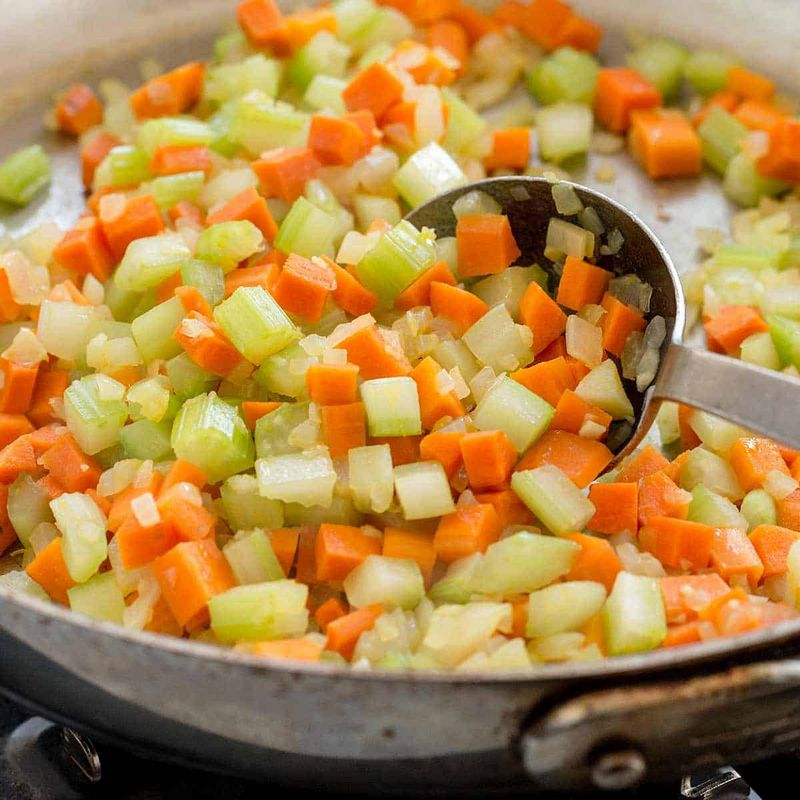
One important technique for achieving the perfect sautéed texture is to cut your vegetables into uniform pieces. This ensures that they cook evenly and at the same rate. It’s best to cut your vegetables into bite-sized pieces, such as cubes or strips, depending on the vegetable.
Another technique to consider is to preheat your pan before adding the oil or fat. This helps to create a hot surface that will quickly cook the vegetables and give them a nice caramelized exterior. You can test if the pan is hot enough by adding a small piece of vegetable and checking for a sizzling sound.
It’s also important to not overcrowd the pan when sautéing vegetables. If you add too many vegetables at once, they will release moisture and steam instead of getting that desired caramelization. It’s best to sauté vegetables in batches, allowing each batch to cook evenly and develop a delicious golden brown color.
Lastly, be sure to season your vegetables with salt and pepper or your choice of spices. This will enhance the flavors and add depth to your dish. You can also add additional ingredients like garlic, onions, or herbs to further enhance the taste.
By following these sautéing techniques, you’ll be able to achieve the perfect texture for your vegetables every time. Whether you’re sautéing for a quick side dish or incorporating sautéed vegetables into a larger recipe, these techniques will help you create delicious and flavorful dishes.
Monitoring the Cooking Time for Sautéed Vegetables
When it comes to sautéing vegetables, timing is everything. Cooking them for too long can result in mushy and overcooked vegetables, while undercooking them can leave them raw and crunchy. To achieve perfectly cooked sautéed vegetables, it is important to monitor the cooking time closely.
One key technique for monitoring the cooking time is to start by cutting the vegetables into uniform sizes. This ensures that they will cook at the same rate and be ready at the same time. Smaller pieces will cook faster, while larger pieces will take longer. By cutting the vegetables into similar sizes, you can more easily monitor their cooking progress.
Another technique is to use high heat and a wide, shallow pan. This allows the vegetables to cook quickly and evenly. However, it also means that you need to pay close attention to prevent them from burning. Stirring or flipping the vegetables regularly can help ensure even cooking and prevent them from sticking to the pan.
Using a timer can also be helpful in monitoring the cooking time. Set a timer for the recommended cooking time for the specific vegetables you are sautéing. This will help you stay on track and prevent overcooking. However, keep in mind that cooking times can vary depending on factors such as the size of the vegetables and the heat of your stove, so it is important to visually check the vegetables for doneness as well.
Lastly, taste testing is an essential part of monitoring the cooking time. Test a piece of vegetable by taking a bite to check if it is cooked to your desired level of doneness. Vegetables should be tender but still have a slight crunch. If they are still too firm, continue cooking for a few more minutes. If they are too soft, you may have overcooked them.
By following these key techniques and closely monitoring the cooking time, you can achieve perfectly sautéed vegetables every time. Experiment with different vegetables and cooking times to find the perfect balance of flavors and textures.
Testing the Doneness of Sautéed Vegetables
When it comes to sautéing vegetables, achieving the perfect doneness is key. This technique involves cooking vegetables quickly over high heat, resulting in a delicious caramelization and a tender yet crisp texture. To ensure that your sautéed vegetables are cooked to perfection, there are a few techniques you can use to test their doneness.
One of the simplest ways to test the doneness of sautéed vegetables is by using a fork or a knife. Gently pierce a piece of vegetable with the fork or knife and see if it easily slides through. If the vegetable is tender and easily pierced, it is likely cooked through. However, if there is resistance or the vegetable feels too firm, it may need more cooking time.
Another technique is to use your senses. Look at the color of the vegetables – they should be vibrant and have a slightly golden or browned exterior. Listen for a sizzling sound while cooking, which indicates that the heat is high enough. Finally, use your sense of touch to gauge the texture of the vegetables. They should be slightly crisp on the outside but still tender on the inside.
If you’re unsure about the doneness of your sautéed vegetables, you can always do a taste test. Take a small piece and try it. If it’s cooked to your liking – tender, flavorful, and not overly crunchy – then it’s done. If not, continue cooking for a bit longer and taste again.
Remember, practice makes perfect when it comes to sautéing vegetables. With time and experience, you’ll become more confident in determining the doneness of your sautéed vegetables based on their appearance, texture, and taste.
Removing Sautéed Vegetables from the Pan
When it comes to sautéing vegetables, the perfect technique is key. Sautéing is a quick and easy cooking method that results in deliciously tender and flavorful veggies. But once your vegetables are cooked to perfection, it’s important to know how to remove them from the pan without losing any of their deliciousness.
First, make sure your sautéed vegetables are fully cooked. You want them to be tender, but still have a bit of crunch. To test if they’re done, pierce a piece of vegetable with a fork. If it easily goes through, they’re ready to be removed from the pan.
Next, turn off the heat and carefully transfer the sautéed vegetables to a plate or serving dish. Use a spatula or tongs to gently lift and transfer the vegetables, being careful not to break them apart. If you’re working with delicate vegetables like asparagus or mushrooms, it’s best to use tongs to avoid crushing them.
Once the vegetables are on the plate, you can season them with salt, pepper, or any other desired seasonings. You can also add a squeeze of lemon juice or a sprinkle of fresh herbs for added flavor.
Finally, serve your sautéed vegetables immediately while they’re still warm. They make a perfect side dish for any meal and can also be used as a base for stir-fries, salads, or pasta dishes. Enjoy!
Serving and Presentation Tips for Sautéed Vegetables
When it comes to serving sautéed vegetables, presentation is key. By following these techniques, you can elevate your dish from ordinary to perfect.
1. Plate it beautifully: Take the time to arrange your sautéed vegetables in an appealing way on the plate. Consider using a mix of colors and textures to create visual interest.
2. Garnish with herbs: Fresh herbs like parsley, cilantro, or basil can add a pop of color and flavor to your sautéed vegetables. Sprinkle some chopped herbs on top before serving.
3. Add a touch of acidity: A squeeze of lemon juice or a drizzle of balsamic vinegar can brighten up the flavors of sautéed vegetables. This acidity can balance out the richness of the dish.
4. Serve with a sauce: A flavorful sauce can take your sautéed vegetables to the next level. Consider making a simple garlic butter sauce or a tangy yogurt sauce to accompany the dish.
5. Use interesting serving vessels: Instead of serving sautéed vegetables on a plain plate, try using interesting serving vessels like a hollowed-out bell pepper or a baked potato skin. This adds an element of creativity to the presentation.
6. Sprinkle with nuts or seeds: To add some crunch and texture to your sautéed vegetables, sprinkle them with toasted nuts or seeds. This not only enhances the presentation but also adds a delicious element to the dish.
7. Serve with a side: Consider serving your sautéed vegetables with a complementary side dish, such as quinoa, couscous, or roasted potatoes. This can make the meal more satisfying and well-rounded.
By incorporating these serving and presentation tips, you can turn your sautéed vegetables into a visually appealing and delicious dish that will impress your guests.
Storing Leftover Sautéed Vegetables
When it comes to storing leftover sautéed vegetables, there are a few key techniques to keep in mind to ensure they stay fresh and delicious for later use.
Firstly, it’s important to let the sautéed vegetables cool completely before transferring them to a storage container. This helps prevent condensation and moisture buildup, which can lead to soggy vegetables.
Once cooled, you can store the sautéed vegetables in an airtight container or resealable plastic bag. Be sure to label the container with the date to keep track of freshness.
For optimal flavor and texture, it’s best to consume the sautéed vegetables within 2-3 days. Beyond that, the vegetables may start to lose their crispness and become less enjoyable to eat.
When reheating the sautéed vegetables, you can do so in a skillet over medium heat, stirring occasionally until heated through. Alternatively, you can also microwave them in a microwave-safe container, adding a splash of water if necessary to prevent drying out.
Remember, proper storage and reheating techniques are key to maintaining the perfect texture and flavor of sautéed vegetables, allowing you to enjoy them even after the initial cooking process.
Reheating Sautéed Vegetables
When it comes to reheating sautéed vegetables, there are a few key techniques to keep in mind to ensure that they maintain their perfect texture and flavor. Whether you’re reheating leftover vegetables from a previous meal or simply looking to enjoy sautéed vegetables as a quick and easy side dish, these techniques will help you achieve the best results.
Firstly, it’s important to reheat sautéed vegetables gently to avoid overcooking and losing their crispness. Using a medium heat setting on your stovetop or oven will help to evenly distribute the heat and prevent any burning or uneven cooking. Avoid using high heat, as this can lead to soggy vegetables.
Another technique is to add a small amount of liquid, such as broth or water, to the pan when reheating sautéed vegetables. This will help to create steam, which will not only prevent the vegetables from drying out, but also help to revive their texture. Be sure to add the liquid gradually and stir the vegetables occasionally to ensure even reheating.
If you’re reheating sautéed vegetables that were originally seasoned with herbs or spices, you may find that the flavors have diminished after being stored. To enhance the flavors, you can add a sprinkle of fresh herbs or a squeeze of lemon juice before reheating. This will help to bring out the natural flavors and make the vegetables taste just as delicious as when they were first sautéed.
Lastly, it’s important to note that not all sautéed vegetables reheat well. Delicate vegetables such as leafy greens or thinly sliced zucchini may become mushy when reheated. It’s best to consume these types of vegetables when they’re freshly sautéed for the best texture and flavor.
In conclusion, reheating sautéed vegetables requires gentle heating, the addition of liquid, and possibly some extra seasoning to bring back their original flavors. By following these techniques, you can enjoy perfect sautéed vegetables even when reheating leftovers.
Variations and Recipe Ideas for Sautéed Vegetables
Once you have mastered the key techniques for sautéing vegetables, the possibilities for creating delicious and perfect dishes are endless. Here are some variations and recipe ideas to inspire your culinary experiments:
1. Asian-inspired Stir-fry: Sauté a mixture of colorful bell peppers, snap peas, and broccoli florets in sesame oil. Add a splash of soy sauce, minced garlic, and ginger for a flavorful twist. Serve over steamed rice or noodles for a complete meal.
2. Mediterranean Medley: Sauté zucchini, eggplant, and cherry tomatoes in olive oil until tender. Season with dried oregano, crushed red pepper flakes, and a squeeze of lemon juice. Top with crumbled feta cheese and fresh basil for a taste of the Mediterranean.
3. Mexican Fiesta: Sauté sliced onions, bell peppers, and corn kernels in vegetable oil. Season with chili powder, cumin, and a pinch of cayenne pepper for a spicy kick. Serve with warm tortillas, guacamole, and salsa for a flavorful Mexican feast.
4. Italian Delight: Sauté sliced mushrooms, cherry tomatoes, and spinach in butter and olive oil. Add minced garlic and a splash of white wine for an Italian-inspired twist. Toss with cooked pasta and sprinkle with grated Parmesan cheese for a simple yet satisfying meal.
5. Balsamic Glazed Veggies: Sauté a mixture of Brussels sprouts, carrots, and red onions in olive oil until caramelized. Drizzle with balsamic vinegar and honey, and sprinkle with toasted almonds for a sweet and savory combination.
Remember, the key to sautéing vegetables is to cook them quickly over high heat while retaining their natural flavors and textures. Get creative with your ingredients and seasonings to elevate your sautéed vegetable dishes to new heights of deliciousness!
FAQ:
What is sautéing?
Sautéing is a cooking technique where food is quickly cooked in a small amount of fat over high heat. It is a great way to cook vegetables as it helps to retain their color, texture, and flavor.
What are the key techniques for perfect sautéed vegetables?
There are a few key techniques to keep in mind for perfect sautéed vegetables. First, make sure to heat the pan and oil properly before adding the vegetables. This will help to prevent sticking. Second, cut the vegetables into even-sized pieces to ensure they cook evenly. Third, stir the vegetables frequently to prevent them from burning. Finally, season the vegetables with salt and pepper or other seasonings of your choice to enhance their flavor.
Can I sauté any type of vegetable?
Yes, you can sauté almost any type of vegetable. However, some vegetables may require longer cooking times than others. For example, root vegetables like carrots or potatoes may take longer to cook than leafy greens like spinach or kale. It’s important to adjust the cooking time accordingly to ensure that all the vegetables are cooked to your desired doneness.
What are some tips for avoiding soggy sautéed vegetables?
To avoid soggy sautéed vegetables, make sure to not overcrowd the pan. Overcrowding the pan can cause the vegetables to steam instead of sauté, resulting in a soggy texture. It’s also important to cook the vegetables over high heat and to not overcook them. Overcooking can cause the vegetable