Cook Like a Chef: Pro Tips for Everyday Cooking
Are you tired of the same old recipes and flavors? Do you want to elevate your cooking skills and impress your friends and family? Look no further, because we have gathered some top tips from professional chefs to help you cook like a pro in your everyday life.
First and foremost, organization is key. Before you start cooking, make sure you have all the ingredients and tools you need within reach. This will not only save you time, but also ensure that you don’t forget any important steps along the way. A well-prepared chef is a successful chef.
Next, don’t be afraid to experiment with flavors. Professional chefs are known for their ability to create unique and delicious dishes by combining unexpected ingredients. So go ahead and add that pinch of cinnamon to your savory dish or try a splash of citrus in your dessert. The possibilities are endless, and you might just discover a new favorite flavor combination.
Another tip from the pros is to always taste as you go. Don’t rely solely on the recipe’s instructions, but trust your own palate. Adjust the seasoning, add a little more salt or a touch of acid if needed. Cooking is an art, and you are the artist.
Lastly, presentation is key. Take a few extra minutes to plate your dish in an appealing way. Garnish with fresh herbs or a drizzle of sauce to make it look even more appetizing. Remember, we eat with our eyes first, so make sure your dish is as visually appealing as it is delicious.
Mastering Basic Techniques
Everyday cooking can be elevated to pro level with a few simple techniques. By learning and mastering these basic cooking techniques, you can become a chef in your own kitchen. Here are some expert tips to help you on your culinary journey:
- Sautéing: This is a fundamental cooking technique where food is quickly cooked in a hot pan with a small amount of oil or fat. It is important to heat the pan properly and use the right amount of oil to ensure that your sautéed dishes turn out perfectly.
- Braising: Braising involves slow-cooking food in a small amount of liquid, usually in a covered pot or pan. This technique is great for tougher cuts of meat and can result in tender and flavorful dishes.
- Roasting: Roasting is a dry-heat cooking method that involves cooking food in the oven at high temperatures. It is a great way to bring out the natural flavors of vegetables, meats, and fish. Make sure to preheat your oven and use a roasting rack to allow for even cooking.
- Blanching: Blanching is a technique where food is briefly cooked in boiling water and then immediately plunged into ice water to stop the cooking process. This is commonly used for vegetables to preserve their color, texture, and nutrients.
By honing these basic techniques, you can expand your cooking repertoire and create delicious meals like a pro chef. So, don’t be afraid to experiment and practice these techniques in your everyday cooking!
Essential Ingredients for Every Kitchen
Whether you’re an everyday cook or a pro chef, having the right ingredients in your kitchen is essential for creating delicious meals. Here are some must-have items that should be in every cooking enthusiast’s pantry:
- Extra Virgin Olive Oil: This versatile oil is perfect for sautéing, roasting, and dressing salads. Its rich flavor adds depth to any dish.
- Sea Salt: A staple in any kitchen, sea salt enhances the natural flavors of ingredients and adds a satisfying crunch to dishes.
- Black Pepper: Freshly ground black pepper adds a subtle heat and complexity to both savory and sweet dishes.
- Garlic: This aromatic bulb is a key ingredient in countless recipes. Its pungent flavor adds depth and complexity to sauces, marinades, and soups.
- Onions: Whether sautéed, caramelized, or used as a base for stocks and sauces, onions provide a savory and sweet flavor to a wide range of dishes.
- Herbs and Spices: Stock your pantry with a variety of dried herbs and spices, such as basil, oregano, cumin, and paprika, to add depth and complexity to your cooking.
- Canned Tomatoes: Canned tomatoes are a convenient and versatile ingredient that can be used in soups, sauces, and stews.
- Chicken or Vegetable Stock: Stock is the base for many dishes, including soups, stews, and risottos. Having a good-quality stock on hand will elevate your cooking.
- Flour: Whether you’re baking bread or thickening sauces, all-purpose flour is a pantry staple that every cook should have.
- Sugar: From baking to sweetening sauces, sugar is a versatile ingredient that adds sweetness and balance to a wide range of dishes.
By keeping these essential ingredients in your kitchen, you’ll be well-equipped to cook like a chef and create delicious meals every day.
The Art of Seasoning and Spices
Seasoning and spices are the secret weapons of a pro chef. They have the power to take an everyday dish and elevate it to something extraordinary. The right combination of flavors can turn a simple meal into a culinary masterpiece.
Cooking is all about balance, and seasoning plays a crucial role in achieving that balance. A pro chef knows how to use spices to enhance the natural flavors of ingredients without overpowering them. They understand the importance of using just the right amount of salt, pepper, and other spices to bring out the best in each dish.
One of the keys to successful seasoning is experimentation. A pro chef is always willing to try new combinations and techniques to create unique flavors. They know that a pinch of cumin or a dash of cinnamon can completely transform a dish, adding depth and complexity.
When it comes to spices, quality is key. A pro chef knows that using fresh, high-quality spices is essential for achieving the best results. They understand the difference between store-bought spices that have been sitting on the shelf for months and freshly ground spices that are bursting with flavor.
Finally, a pro chef knows that seasoning is not just about taste, but also about presentation. They understand the importance of using spices to add color and visual appeal to a dish. Whether it’s a sprinkle of paprika or a garnish of fresh herbs, they know how to make a dish look as good as it tastes.
Knife Skills: Cutting Like a Pro
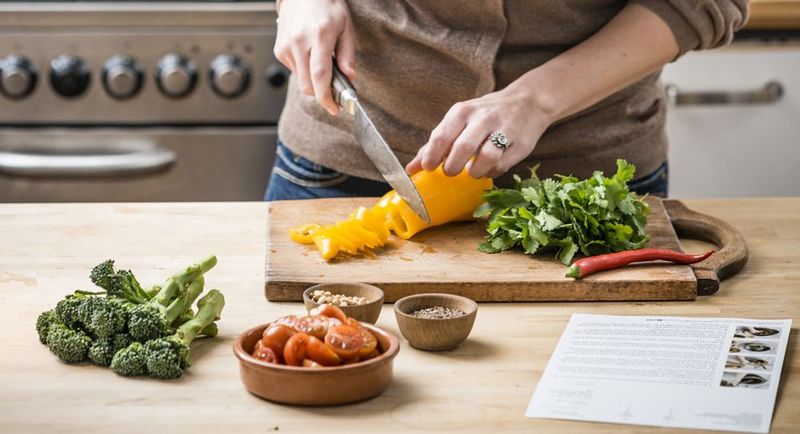
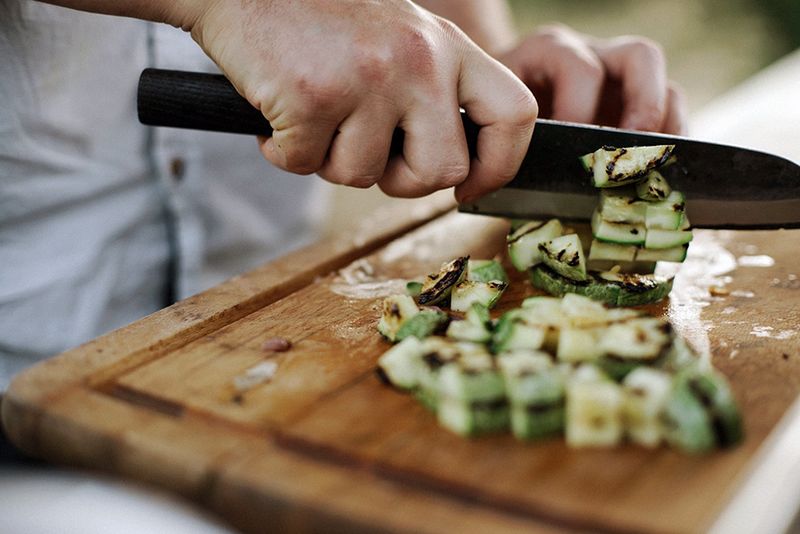
One of the most important skills a cook can possess is the ability to handle a knife like a pro. A chef’s knife is an essential tool in everyday cooking, and knowing how to use it properly can make a huge difference in the quality of your dishes.
First and foremost, it’s important to choose the right knife for the job. A chef’s knife with a sharp, sturdy blade and a comfortable handle is ideal for most tasks. Whether you’re slicing, dicing, or chopping, a good knife will make the job easier and more efficient.
Once you have the right knife, it’s important to hold it correctly. Grip the handle firmly with your dominant hand, and use your other hand to guide the blade. Keep your fingers curled under and away from the blade to avoid any accidents.
When it comes to cutting, it’s all about technique. Use a rocking motion to slice through vegetables and herbs, keeping the tip of the knife on the cutting board at all times. For more precise cuts, use the tip of the knife to make small, controlled movements.
Finally, always remember to keep your knife sharp. A dull knife not only makes cutting more difficult, but it can also be dangerous. Invest in a good knife sharpener and take the time to sharpen your knives regularly to ensure they’re always in top condition.
By mastering the art of knife skills, you can cook like a pro and elevate your everyday cooking to a whole new level. With practice and patience, you’ll soon be chopping, slicing, and dicing with confidence and precision.
The Secrets of Flavorful Marinades
Marinades are a chef’s secret weapon when it comes to adding flavor to everyday cooking. Whether you’re grilling, baking, or sautéing, a well-made marinade can take your dish from ordinary to extraordinary. Here are some tips from the pros on how to create flavorful marinades that will impress your taste buds.
1. Choose the Right Ingredients: The key to a delicious marinade is using fresh, high-quality ingredients. Opt for fresh herbs, spices, and citrus fruits to add depth and brightness to your marinade. Don’t be afraid to experiment with different flavors and combinations to find your signature marinade.
2. Balance the Flavors: A good marinade should have a balance of sweet, salty, acidic, and savory flavors. Use ingredients like honey, soy sauce, vinegar, and garlic to achieve this balance. Taste your marinade before adding it to your meat or vegetables and adjust the flavors as needed.
3. Give It Time: The longer you marinate your ingredients, the more flavorful they will become. Plan ahead and give your marinade at least 30 minutes to several hours to work its magic. For tougher cuts of meat, you can even marinate overnight to tenderize them and infuse them with flavor.
4. Use the Marinade as a Sauce: Don’t let all that flavor go to waste! After you’ve marinated your meat or vegetables, strain the marinade and simmer it on the stove to kill any bacteria. Then, use it as a sauce to drizzle over your cooked dish for an extra burst of flavor.
5. Experiment and Have Fun: Cooking is all about creativity, so don’t be afraid to experiment with different ingredients and flavors. Try adding herbs, spices, or even a splash of your favorite alcohol to your marinade for a unique twist. The more you play around with marinades, the more you’ll discover your own personal style as a chef.
With these tips in mind, you’ll be able to create flavorful marinades like a pro. So go ahead, get creative, and take your everyday cooking to the next level!
Cooking with Fresh Herbs
When it comes to adding flavor to your dishes, fresh herbs are a chef’s secret weapon. They can elevate the taste of any dish and take it from ordinary to extraordinary. Whether you’re a seasoned cook or just starting out in the kitchen, incorporating fresh herbs into your cooking can make all the difference.
Here are some tips from the pros on cooking with fresh herbs:
- Choose the right herbs: Different herbs pair well with different types of dishes. For example, basil is great in Italian cuisine, while cilantro is commonly used in Mexican dishes. Experiment with different herbs to find the flavors that work best for you.
- Use them at the right time: Fresh herbs are best used towards the end of the cooking process to preserve their flavors. Adding them too early can result in a loss of flavor and aroma.
- Chop them finely: To release the maximum amount of flavor, make sure to chop your fresh herbs finely before adding them to your dish. This will help distribute the flavors evenly throughout the dish.
- Pair them with complementary ingredients: Fresh herbs work best when paired with ingredients that complement their flavors. For example, rosemary goes well with roasted potatoes, while dill is a great addition to seafood dishes.
Remember, cooking with fresh herbs is all about experimentation and finding what works best for your taste buds. So don’t be afraid to get creative and try new combinations. With a little practice, you’ll be cooking like a pro in no time!
The Science of Perfectly Searing Meat
When it comes to cooking meat, achieving the perfect sear is an essential skill for any chef or home cook. The process of searing involves browning the surface of the meat at a high temperature, creating a rich, flavorful crust. But what’s the science behind this technique?
One pro tip is to make sure your meat is dry before searing. Moisture on the surface of the meat can prevent it from achieving a proper sear. Patting the meat dry with a paper towel will help remove any excess moisture, allowing the surface to brown evenly.
Another important factor is the temperature of your cooking surface. A hot pan or grill is crucial for achieving that beautiful sear. When the meat hits the hot surface, the proteins on the surface undergo the Maillard reaction, a chemical process that creates complex flavors and aromas. This reaction only occurs at temperatures above 300°F (150°C), so be sure to preheat your cooking surface adequately.
Timing is also key when it comes to searing meat. You want to avoid overcrowding the pan or grill, as this can cause the meat to steam rather than sear. Cook the meat in batches if necessary, giving each piece enough space to develop a crispy crust. Additionally, be patient and resist the urge to flip the meat too soon. Let it develop a nice sear on one side before flipping to the other.
Lastly, don’t forget to season your meat before searing. Salt and pepper are the basic seasonings that can enhance the flavor of the meat. Sprinkle them generously on both sides of the meat, allowing the seasoning to penetrate the surface and add depth to the final dish.
By understanding the science behind searing meat and following these expert tips, you can elevate your everyday cooking to restaurant-quality levels. So go ahead, grab your favorite cut of meat, and get ready to impress your family and friends with perfectly seared dishes!
Creating Delicious Homemade Sauces
When it comes to cooking like a pro, sauces can make all the difference in elevating your everyday meals to chef-worthy creations. Whether you’re a seasoned home cook or just starting out in the kitchen, here are some expert tips for creating delicious homemade sauces:
- Experiment with flavors: Don’t be afraid to get creative and try different combinations of herbs, spices, and ingredients in your sauces. This is where you can really let your culinary skills shine and add a unique twist to your dishes.
- Balance the flavors: A good sauce should have a perfect balance of sweet, salty, sour, and savory elements. Taste as you go and adjust the seasonings accordingly to achieve the desired flavor profile.
- Use quality ingredients: The quality of your ingredients will directly impact the taste of your sauce. Opt for fresh herbs, spices, and produce whenever possible to ensure the best flavor.
- Control the thickness: Depending on the dish you’re making, you may want a thick and creamy sauce or a lighter, more drizzle-friendly consistency. To control the thickness of your sauce, use a combination of cooking techniques such as simmering, reducing, or thickening agents like flour or cornstarch.
- Enhance with aromatics: Aromatics like garlic, onions, and shallots can add depth and complexity to your sauces. Sauté them in oil or butter before adding other ingredients to release their flavors and create a flavorful base for your sauce.
- Don’t forget the acid: Adding a splash of acid, such as lemon juice or vinegar, can brighten up the flavors of your sauce and cut through richness. Just be careful not to overdo it, as a little goes a long way.
With these tips in mind, you’ll be well on your way to creating delicious homemade sauces that will take your everyday cooking to the next level. So go ahead, get creative, and let your inner chef shine!
Expert Tips for Roasting Vegetables
Roasting vegetables is a cooking technique that can elevate any dish to pro level. With just a few simple tips, you can turn everyday vegetables into flavorful and delicious additions to your meals.
First, make sure to cut your vegetables into even-sized pieces. This will ensure that they cook evenly and at the same rate. It’s also important to preheat your oven to a high temperature, around 425°F (220°C), to get that nice caramelization and crispy texture.
Another pro tip is to toss your vegetables with a little bit of oil and seasoning before roasting. This will help to enhance the flavors and prevent them from drying out in the oven. You can use olive oil, melted butter, or even a flavored oil like garlic or chili oil.
For added flavor, consider adding some herbs or spices to your vegetables. Fresh herbs like rosemary, thyme, or basil can add a fragrant aroma, while spices like cumin, paprika, or curry powder can add a kick of flavor. Experiment with different combinations to find your favorite.
Finally, don’t overcrowd your baking sheet. Give your vegetables some space to breathe so that they can roast evenly. If you have too many vegetables, consider using multiple baking sheets or roasting them in batches.
By following these expert tips, you’ll be able to cook like a pro and create delicious roasted vegetables that will impress your family and friends. So next time you’re in the mood for some tasty veggies, give roasting a try and see the difference it makes!
The Art of Balancing Sweet and Savory
When it comes to cooking, finding the perfect balance between sweet and savory flavors is an art that every chef strives to master. Whether you’re whipping up a delicious dessert or creating a savory main course, knowing how to incorporate both sweet and savory elements can take your dishes to the next level.
One of the key tips from the pros is to start with a solid foundation of savory flavors. This can be achieved by using ingredients such as onions, garlic, and spices to build a robust flavor base. Once you have a strong savory foundation, you can then layer in sweetness using ingredients like honey, maple syrup, or even fruits like apples or berries.
Another pro tip is to experiment with different flavor combinations. Don’t be afraid to think outside the box and try unexpected pairings. For example, adding a touch of sweetness to a savory dish with a sprinkle of brown sugar or a drizzle of balsamic glaze can add a whole new dimension of flavor.
It’s also important to consider the texture of your dish when balancing sweet and savory flavors. Combining crunchy and sweet elements, like adding candied nuts or crispy bacon to a salad, can create a delightful contrast that keeps your taste buds interested.
Lastly, don’t forget about the power of herbs and spices. These ingredients can add depth and complexity to your dishes, helping to balance out the sweetness. Experiment with flavors like thyme, rosemary, or cumin to enhance the savory elements and create a well-rounded flavor profile.
In conclusion, mastering the art of balancing sweet and savory flavors is a skill that every cook should strive for. By building a strong savory foundation, experimenting with flavor combinations, considering texture, and incorporating herbs and spices, you can create dishes that are sure to impress. So don’t be afraid to get creative in the kitchen and let your taste buds guide you!
Mastering the Art of Plating
Plating is an essential skill for any chef, as it is the final step in presenting a dish to the diner. A well-plated dish not only looks visually appealing but also enhances the overall dining experience. Here are some tips from the pros to help you master the art of plating:
- Balance is key: When plating a dish, it’s important to consider the balance of flavors, textures, and colors. Use contrasting elements to create visual interest, such as pairing crunchy ingredients with smooth ones or incorporating pops of vibrant colors.
- Pay attention to portion sizes: Portion sizes play a crucial role in plating. Ensure that each component of the dish is proportionate and visually balanced. Avoid overcrowding the plate, as it can make the dish look messy and unappetizing.
- Use the right tools: Invest in quality plating tools, such as tweezers and offset spatulas, to help you create precise and delicate arrangements. These tools allow for better control and precision when placing ingredients on the plate.
- Consider the plate as a canvas: Treat the plate as a blank canvas and think about how you can use negative space to highlight the main components of the dish. Use the plate’s shape and size to your advantage, creating visual interest and guiding the diner’s eye towards the focal point.
- Experiment with different plating techniques: Don’t be afraid to try out different plating techniques to add visual appeal to your dishes. Whether it’s creating height with stacked ingredients or using sauce drizzles to add movement, experimenting with different techniques can elevate your plating skills.
- Practice, practice, practice: Plating is a skill that takes time and practice to master. Take the time to practice plating different dishes and experiment with different combinations and arrangements. The more you practice, the more confident you’ll become in your plating abilities.
By following these tips and putting in the effort to perfect your plating skills, you can elevate your cooking to a whole new level and impress your guests with beautifully presented dishes.
Secrets to Cooking Tender and Juicy Chicken
When it comes to cooking chicken, there are a few secrets that professional chefs swear by to ensure tender and juicy results every time. Here are some expert tips that you can use in your everyday cooking:
- Brine the chicken: Brining the chicken before cooking can make a huge difference in its texture and flavor. A simple brine solution of water, salt, and sugar can help the chicken retain moisture and become more tender.
- Use a meat thermometer: To avoid overcooking or undercooking the chicken, invest in a meat thermometer. This will ensure that you cook the chicken to the perfect internal temperature, which is 165°F (74°C) for chicken breasts and 175°F (79°C) for chicken thighs.
- Marinate the chicken: Marinating the chicken before cooking can add flavor and help tenderize the meat. You can use a simple marinade of oil, acid (such as lemon juice or vinegar), and herbs or spices to enhance the taste of the chicken.
- Use the right cooking method: Different cuts of chicken require different cooking methods. For example, chicken breasts are best cooked quickly over high heat, while chicken thighs benefit from slow cooking methods like braising or roasting.
- Let it rest: After cooking, allow the chicken to rest for a few minutes before slicing or serving. This allows the juices to redistribute throughout the meat, resulting in a more tender and moist chicken.
By following these pro tips, you can elevate your everyday cooking and prepare chicken that is tender, juicy, and full of flavor. So go ahead and try these secrets in your own kitchen to impress your family and friends with your delicious chicken dishes!
The Key to Perfectly Cooked Pasta
When it comes to cooking pasta like a pro, there are a few key tips that can make all the difference in achieving perfectly cooked pasta every time. Whether you’re an everyday cook or just starting out in the kitchen, these tips will help you elevate your pasta game.
1. Use a large pot: When cooking pasta, it’s important to use a pot that is large enough to hold plenty of water. This allows the pasta to cook evenly and prevents it from sticking together. A general rule of thumb is to use at least 4 quarts of water for every pound of pasta.
2. Salt the water: Adding salt to the boiling water not only enhances the flavor of the pasta, but it also helps to season it evenly. For best results, use about 1 tablespoon of salt for every 4 quarts of water.
3. Cook pasta al dente: The term “al dente” means “to the tooth” in Italian, and it refers to pasta that is cooked until it is still firm to the bite. This is the ideal texture for pasta, as it allows it to hold its shape and absorb sauces better. To achieve this, follow the cooking time instructions on the package, but start checking for doneness a minute or two before the recommended time.
4. Reserve some pasta water: Before draining the cooked pasta, be sure to reserve a small amount of the cooking water. This starchy water can be used to adjust the consistency of the sauce and help it adhere to the pasta better.
5. Don’t rinse the pasta: Contrary to popular belief, rinsing cooked pasta is not necessary. In fact, rinsing removes the starch that helps sauces cling to the pasta. Instead, simply drain the pasta well and toss it immediately with your desired sauce.
6. Experiment with different shapes: While spaghetti and penne are popular choices, don’t be afraid to try different pasta shapes. Different shapes can hold sauces differently, resulting in a unique dining experience. Have fun experimenting with shapes like fusilli, farfalle, or rigatoni.
By following these tips, you’ll be well on your way to cooking pasta like a pro. So next time you’re in the kitchen, don’t be afraid to get creative and elevate your pasta dishes to new heights!
Exploring Different Cooking Methods
When it comes to cooking, there are a wide variety of methods that can be used to create delicious and flavorful dishes. Whether you’re a pro chef or a novice cook, it’s important to understand the different cooking techniques and how they can be applied to different ingredients.
One of the most basic cooking methods is boiling. This involves submerging food in a liquid, usually water, and cooking it at a high temperature. Boiling is a great way to cook vegetables, pasta, and grains, as it helps to soften them and infuse them with flavor. To enhance the taste of boiled dishes, try adding herbs, spices, or broth to the cooking liquid.
Another popular cooking method is grilling. This involves cooking food over an open flame or on a hot surface, such as a barbecue grill. Grilling adds a smoky and charred flavor to food, making it a favorite choice for cooking meats, seafood, and vegetables. To achieve the best results when grilling, make sure to preheat the grill, brush the food with oil to prevent sticking, and monitor the cooking time to avoid overcooking.
For those looking for a healthier cooking method, steaming is a great option. Steaming involves cooking food by exposing it to steam, either by placing it in a steamer basket or using a steaming appliance. This method helps to retain the nutrients and natural flavors of the food, making it a popular choice for cooking vegetables, seafood, and dumplings. To add extra flavor, try steaming the food with herbs, spices, or citrus slices.
Lastly, sautéing is a cooking method that involves quickly cooking food in a small amount of oil or fat over high heat. This method is great for cooking meats, vegetables, and stir-fries, as it helps to seal in the moisture and create a crispy texture. To sauté like a pro, make sure to use a wide and shallow pan, heat the oil or fat until it shimmers, and toss the food frequently to ensure even cooking.
These are just a few of the many cooking methods that can be explored in the kitchen. By understanding and experimenting with different techniques, you can elevate your cooking skills and create delicious meals that will impress your family and friends.
The Art of Food Presentation
When it comes to cooking, presentation is just as important as taste. Even the most delicious dish can be unappetizing if it is not presented well. To cook like a pro and make your everyday meals look like they came from a fancy restaurant, here are some tips for mastering the art of food presentation.
1. Pay attention to colors: Use a variety of colorful ingredients to make your dish visually appealing. Incorporate different shades of green, red, yellow, and orange to create a vibrant and appetizing plate.
2. Use different textures: Add contrast to your dish by incorporating different textures. Combine crispy vegetables with soft grains, or creamy sauces with crunchy toppings. This will not only make your dish more interesting to eat, but also visually appealing.
3. Plate your food with care: Take the time to plate your food thoughtfully. Use a clean, white plate as a canvas and arrange your ingredients in an attractive manner. Pay attention to the placement of each element and use garnishes sparingly to enhance the overall presentation.
4. Play with height: Create visual interest by varying the height of your ingredients. Stack slices of meat or vegetables, or use a small pedestal to elevate a certain component of your dish. This will add dimension and make your plate look more professional.
5. Consider the overall composition: Think about the overall composition of your plate. Use the rule of thirds to guide your placement of different elements. Create balance by distributing colors and textures evenly throughout the plate.
6. Keep it simple: Sometimes, less is more. Avoid overcrowding your plate with too many ingredients. Instead, focus on highlighting a few key components. This will make your dish look more refined and allow the flavors to shine.
7. Practice, practice, practice: Like any skill, the art of food presentation takes practice. Experiment with different plating techniques and learn from the experts. Look for inspiration from cookbooks, food blogs, and culinary magazines, and keep refining your skills.
By following these tips, you can take your everyday cooking to the next level and impress your guests with not only the taste, but also the presentation of your dishes. Remember, cooking is an art, and presentation is an important part of that art.
Expert Advice for Baking Like a Pro
Baking can be a fun and rewarding activity that allows you to unleash your creativity in the kitchen. Whether you’re a beginner or an experienced cook, there are always tips and tricks that can help you take your baking skills to the next level. Here are some expert advice for baking like a pro:
- Measure accurately: Baking is a science, so it’s important to measure your ingredients accurately. Invest in a good set of measuring cups and spoons, and make sure to level off your dry ingredients with a straight edge.
- Use quality ingredients: The quality of your ingredients can make a big difference in the final result of your baked goods. Use fresh, high-quality ingredients for the best flavor and texture.
- Preheat your oven: Always preheat your oven before baking. This ensures that your baked goods will cook evenly and rise properly.
- Follow the recipe: While it’s fun to experiment in the kitchen, baking is a precise art. Follow the recipe closely, especially when it comes to measurements and baking times.
- Don’t overmix: Overmixing can lead to tough and dense b