Exploring the Benefits of Seasonal Eating: Exciting and Nutritious Ideas for Every Season
When it comes to eating, it’s important to consider the seasons. Seasonal eating means consuming foods that are harvested during specific times of the year. This not only ensures that you are getting the freshest produce, but also supports local farmers and reduces the carbon footprint associated with transporting food long distances.
Each season offers a variety of delicious fruits, vegetables, and herbs that can inspire new and exciting dishes. In the spring, think vibrant greens like asparagus and spinach, as well as fresh berries bursting with flavor. Summer brings an abundance of juicy tomatoes, sweet corn, and refreshing herbs like basil and mint. Fall is the time for hearty root vegetables, crisp apples, and warming spices like cinnamon and nutmeg. And in the winter, you can enjoy hearty soups and stews made with winter squash, kale, and fragrant herbs like rosemary and thyme.
By embracing seasonal eating, you can discover a whole world of flavors and textures that change with the time of year. This not only keeps your meals interesting and varied, but also ensures that you are getting the most nutrients from your food. Seasonal produce is picked at its peak ripeness, meaning it is packed with vitamins, minerals, and antioxidants that are essential for your health.
So next time you’re planning your meals, take a moment to consider what’s in season. Visit your local farmers market or grocery store and see what fresh, local produce is available. Experiment with new recipes and flavors that celebrate the bounty of each season. Your taste buds and your body will thank you!
Why Seasonal Eating is Important
Seasonal eating is important because it allows us to enjoy fresh and flavorful food all year round. By eating foods that are in season, we can ensure that we are getting the most nutritional value from our meals. Fruits and vegetables that are in season are typically harvested at their peak ripeness, meaning they are packed with vitamins, minerals, and antioxidants.
Furthermore, seasonal eating supports local farmers and the environment. When we buy produce that is in season, we are supporting local farmers and helping to sustain local agriculture. This not only helps to strengthen our local economies, but it also reduces the carbon footprint associated with transporting food long distances.
Seasonal eating also encourages creativity in the kitchen. With each new season comes a fresh crop of ingredients, inspiring us to try new recipes and experiment with different flavors. From hearty root vegetables in the winter to vibrant berries in the summer, there are endless possibilities for delicious and nutritious meals.
In addition, seasonal eating can help us save money. When produce is in season, it is often more abundant and therefore more affordable. By planning our meals around seasonal ingredients, we can stretch our food budget and still enjoy a variety of nutritious and delicious meals.
Overall, seasonal eating is important for our health, the environment, and our taste buds. By embracing the natural rhythm of the seasons and incorporating fresh, local ingredients into our meals, we can enjoy a diverse and sustainable diet all year long.
Benefits of Eating Seasonally
Eating seasonally provides a variety of benefits that can improve your health and well-being. By aligning your diet with the natural rhythms of the seasons, you can enjoy a wide range of fresh and flavorful foods while also supporting local farmers and reducing your carbon footprint.
One of the key benefits of eating seasonally is that it allows you to explore new ideas and flavors. Each season brings its own unique fruits, vegetables, and herbs, offering an ever-changing selection of ingredients to experiment with in the kitchen. This can help to expand your culinary repertoire and keep your meals interesting and exciting.
Another advantage of eating seasonally is that it ensures you are consuming produce at its peak ripeness and nutritional value. Fruits and vegetables that are in season are typically harvested at the perfect time, when they are fully mature and packed with essential vitamins, minerals, and antioxidants. This means that you are getting the maximum nutritional benefits from your food.
Additionally, eating seasonally supports local farmers and the economy. When you buy produce that is in season, you are more likely to find it at farmers markets or directly from local growers. This not only helps to support small-scale farmers and their families, but also promotes sustainable farming practices and helps to preserve agricultural diversity.
Finally, eating seasonally can be more cost-effective. When fruits and vegetables are in season, they are often more abundant and therefore more affordable. This can help to reduce your grocery bill and make it easier to incorporate fresh, healthy foods into your diet on a regular basis.
In conclusion, embracing seasonal eating can provide a multitude of benefits, from expanding your culinary horizons to supporting local farmers and enjoying the nutritional advantages of fresh, ripe produce. So why not make the most of every season and explore the joys of eating seasonally throughout the year?
Spring
Spring is a time of renewal and growth, and it’s the perfect season for enjoying fresh and seasonal foods. As the weather starts to warm up, there are plenty of delicious options to choose from in the produce aisle.
One of the best things about spring is the abundance of fresh greens. From spinach to arugula to kale, these leafy greens are packed with nutrients and are perfect for salads or sautéing. They add a burst of freshness to any dish and are a great way to start incorporating more seasonal eating into your diet.
In addition to greens, spring is also a great time to enjoy fresh herbs. Herbs like basil, cilantro, and mint are at their peak during this time of year, and they can add a wonderful flavor to a variety of dishes. Whether you’re making a homemade pesto or adding some mint leaves to your favorite cocktail, incorporating fresh herbs into your meals is a great way to add a burst of flavor.
Spring is also the time for vibrant and juicy berries. Strawberries, blueberries, and raspberries are all in season during this time of year, and they make for a delicious and healthy snack. Whether you’re enjoying them on their own or adding them to yogurt or oatmeal, incorporating fresh berries into your diet is a great way to satisfy your sweet tooth while still eating healthy.
Overall, spring is a wonderful time to embrace seasonal eating and enjoy the fresh flavors that this time of year has to offer. Whether you’re incorporating more leafy greens, fresh herbs, or juicy berries into your meals, there are plenty of delicious options to choose from. So take advantage of the bounty of fresh produce available during this time of year and enjoy the benefits of seasonal eating.
Summer
Summer is a wonderful time of year for seasonal eating. With an abundance of fresh fruits and vegetables, there are endless possibilities for creating delicious and healthy meals. One of the best ideas for summer eating is to make use of the fresh produce available at this time. Whether it’s juicy watermelons, sweet berries, or crisp cucumbers, incorporating these seasonal ingredients into your meals can add a burst of flavor and nutrition.
One fresh idea for summer eating is to create colorful salads using a variety of fruits and vegetables. You can mix and match different ingredients to create a refreshing and satisfying meal. For example, a salad made with ripe tomatoes, creamy avocado, crunchy radishes, and tangy feta cheese can be a perfect summer dish. Adding a sprinkle of fresh herbs like basil or mint can enhance the flavors even more.
Another great idea for summer eating is to grill your meals. Grilling not only adds a smoky and delicious flavor to your food, but it also allows you to enjoy the outdoors while cooking. You can grill a variety of vegetables like zucchini, bell peppers, and corn, and serve them alongside grilled meats or fish. This is a great way to make use of the fresh produce available during the summer months.
One more idea for summer eating is to make refreshing and healthy smoothies. You can blend together a combination of fresh fruits like mangoes, pineapples, and bananas, along with some yogurt or almond milk, to create a delicious and nutritious drink. You can also add some greens like spinach or kale to make it even more nutritious. This is a great way to cool down on a hot summer day and get your daily dose of vitamins and minerals.
In conclusion, summer is a fantastic time of year for seasonal eating. With an abundance of fresh and flavorful ingredients available, there are endless possibilities for creating delicious and healthy meals. Whether you choose to make colorful salads, grill your meals, or enjoy refreshing smoothies, incorporating seasonal produce into your summer eating can help you stay healthy and satisfied.
Fall
In the fall, when the leaves start to change color and the air becomes crisp, it’s the perfect time to indulge in fresh seasonal produce. Fall brings a bounty of delicious fruits and vegetables that are not only flavorful, but also packed with nutrients.
One of the best things about fall is the variety of apples that become available. From tart Granny Smith to sweet Honeycrisp, there is an apple for every taste. Apples are not only a versatile ingredient for both sweet and savory dishes, but they are also a great source of fiber and vitamin C.
Pumpkins are another fall favorite that can be used in a variety of dishes. From pumpkin pie to pumpkin soup, there are endless possibilities for incorporating this seasonal squash into your meals. Not only are pumpkins rich in vitamins A and C, but they also add a comforting and earthy flavor to any dish.
When it comes to fall vegetables, Brussels sprouts are a must-try. These small, green vegetables are packed with nutrients and have a slightly bitter taste that pairs well with other fall flavors. Roasting Brussels sprouts with olive oil and a sprinkle of salt and pepper brings out their natural sweetness and makes for a delicious side dish.
Lastly, fall is the perfect time to experiment with warm and comforting spices like cinnamon, nutmeg, and cloves. These spices can be added to baked goods, hot drinks, and even savory dishes to add a cozy and seasonal touch. Whether you’re making a pumpkin spice latte or a spiced apple cake, these flavors are sure to evoke the feeling of fall.
Winter
In winter, it’s important to focus on fresh, seasonal ingredients that can help us stay healthy and nourished during this cold time of year. With the colder weather, our bodies need extra nutrients to keep our immune system strong and to ward off common winter illnesses. Luckily, there are plenty of delicious and nutritious ideas for every winter meal.
One idea for a winter meal is to incorporate hearty root vegetables like carrots, parsnips, and sweet potatoes. These vegetables are in season during the winter months and are packed with vitamins and minerals. Roasting them with a drizzle of olive oil and some herbs and spices can bring out their natural flavors and make for a comforting and satisfying dish.
Another idea is to incorporate citrus fruits into our winter diet. Citrus fruits like oranges, grapefruits, and lemons are at their peak during the winter months and are a great source of vitamin C, which can help boost our immune system. Adding a squeeze of lemon to a warm cup of tea or enjoying a fresh orange as a snack can provide a refreshing burst of flavor and much-needed vitamins.
Lastly, it’s important to remember to stay hydrated during the winter months. While we may not feel as thirsty as we do in the summer, it’s still important to drink plenty of water. In addition to water, warm herbal teas can be a great way to stay hydrated and add some variety to our winter beverage options. Look for teas that are warming and soothing, such as chamomile or ginger tea.
By incorporating fresh, seasonal ingredients into our winter meals, we can ensure that we are getting the nutrients we need to stay healthy and nourished during this time of year. Whether it’s hearty root vegetables, citrus fruits, or warm herbal teas, there are plenty of ideas to keep our meals fresh and exciting throughout the winter months.
Delicious Recipes for Spring
Spring is a time of renewal and growth, and what better way to celebrate than with delicious recipes that highlight the fresh flavors of the season? From vibrant salads to light and refreshing desserts, there are endless possibilities for every meal of the day.
One idea for a springtime breakfast is a colorful fruit parfait. Layer fresh berries, sliced kiwi, and chunks of pineapple with creamy Greek yogurt and a sprinkle of granola for added crunch. The combination of sweet and tart flavors is the perfect way to start your day on a refreshing note.
For lunch, try a vibrant spring salad with mixed greens, thinly sliced radishes, and crisp snap peas. Top it off with a tangy lemon vinaigrette and a handful of toasted almonds for added texture. This light and refreshing salad is packed with vitamins and nutrients, making it a healthy and satisfying choice.
When it comes to dinner, why not try a seasonal vegetable stir-fry? Sauté a medley of colorful vegetables like asparagus, bell peppers, and sugar snap peas in a flavorful ginger and garlic sauce. Serve it over a bed of fluffy brown rice or quinoa for a complete and satisfying meal.
Finally, for dessert, indulge in a refreshing lemon tart. The zesty lemon filling is the perfect balance of sweet and tangy, and the buttery crust adds a delicious crunch. Top it off with a dollop of whipped cream and a sprinkle of fresh mint for a beautiful and flavorful finish to your springtime feast.
These are just a few ideas to inspire you to embrace the flavors of spring in your cooking. With every new season comes the opportunity to explore fresh ingredients and try new recipes. So why not take advantage of the abundance of seasonal produce and create delicious meals that celebrate the beauty of spring?
Delicious Recipes for Summer
Summer is the perfect time of year to enjoy fresh and vibrant meals. With an abundance of seasonal produce available, there are endless possibilities for delicious recipes that highlight the flavors of summer.
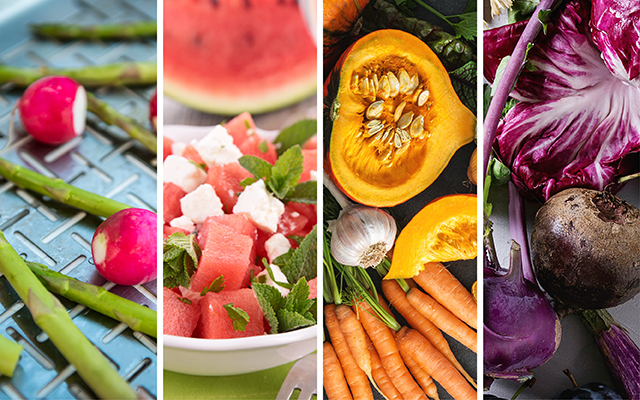
One refreshing option is a watermelon and feta salad. This combination of juicy watermelon, tangy feta cheese, and crisp cucumber is a perfect way to cool down on a hot summer day. Top it off with some fresh mint and a drizzle of balsamic glaze for an extra burst of flavor.
If you’re looking for a light and flavorful main course, try grilling up some lemon and herb marinated chicken. The zesty lemon and fragrant herbs create a delicious marinade that infuses the chicken with a burst of summer flavor. Serve it with a side of grilled vegetables for a complete and satisfying meal.
For a sweet treat, you can’t go wrong with a classic strawberry shortcake. Take advantage of the abundance of ripe strawberries during the summer months by layering them with fluffy whipped cream and tender shortcake biscuits. The combination of sweet strawberries and creamy whipped cream is a perfect way to end a summer meal.
Don’t forget to stay hydrated during the hot summer months. Infused water is a great way to quench your thirst while adding a burst of flavor. Try infusing water with fresh fruits like lemon, lime, or berries for a refreshing and healthy beverage option.
With so many fresh and seasonal ingredients available, summer is the perfect time to experiment with new recipes and flavors. Whether you’re grilling up a delicious meal or enjoying a refreshing dessert, make the most of the season by incorporating fresh and vibrant ingredients into your cooking.
Delicious Recipes for Fall
As the seasons change, so do the flavors and ingredients that are available to us. Fall is a wonderful time of year for seasonal eating, with an abundance of fresh produce and hearty flavors to enjoy. Here are some delicious recipes that celebrate the flavors of fall:
1. Pumpkin Soup
This creamy and comforting soup is the perfect way to warm up on a crisp autumn day. Made with roasted pumpkin, fragrant spices, and a touch of cream, it’s a seasonal favorite that will leave you feeling satisfied and cozy.
2. Apple Cider Braised Pork
Tender and succulent, this dish combines the rich flavors of apple cider, onions, and herbs with juicy pork. Slowly braised to perfection, it’s a hearty and comforting meal that pairs perfectly with roasted vegetables or mashed potatoes.
3. Butternut Squash Risotto
This creamy and flavorful risotto is a fall classic. Made with roasted butternut squash, arborio rice, and a hint of Parmesan cheese, it’s a comforting and satisfying dish that’s perfect for a cozy night in.
4. Cranberry Walnut Salad
This vibrant and refreshing salad combines the tartness of cranberries with the crunch of walnuts and the freshness of mixed greens. Tossed with a simple vinaigrette, it’s a light and delicious side dish that complements any fall meal.
5. Apple Crumble
No fall dessert list would be complete without an apple crumble. Made with sweet and tart apples, a buttery crumble topping, and a hint of cinnamon, it’s a classic and comforting dessert that’s perfect for enjoying with a scoop of vanilla ice cream.
These are just a few ideas to get you started on your fall cooking adventures. With an abundance of seasonal ingredients and flavors to choose from, the possibilities are endless. So embrace the flavors of fall and get creative in the kitchen!
Delicious Recipes for Winter
Winter is a wonderful time for fresh and hearty meals. With the cold weather outside, it’s the perfect time to enjoy warm and comforting dishes that will keep you feeling satisfied and cozy. From soups and stews to casseroles and roasts, there are plenty of seasonal ingredients that can be incorporated into delicious winter recipes.
One popular winter recipe is a hearty beef stew. Made with tender chunks of beef, root vegetables, and aromatic herbs, this dish is perfect for warming up on a chilly evening. The slow cooking process allows the flavors to meld together, creating a rich and flavorful stew that is sure to please.
Another great winter recipe is roasted winter vegetables. This dish combines a variety of seasonal vegetables, such as carrots, parsnips, and Brussels sprouts, with olive oil, garlic, and herbs. The vegetables are roasted until they are tender and caramelized, resulting in a flavorful and nutritious side dish that pairs well with any main course.
If you’re looking for a comforting dessert to enjoy during the winter months, apple crisp is a classic choice. Made with fresh apples, cinnamon, and a crunchy oat topping, this dessert is the perfect combination of sweet and tart. Serve it warm with a scoop of vanilla ice cream for a truly indulgent treat.
In conclusion, winter is a great time to experiment with seasonal ingredients and try out new recipes. Whether you’re in the mood for a hearty stew, roasted vegetables, or a comforting dessert, there are plenty of delicious options to choose from. So bundle up, get in the kitchen, and enjoy the flavors of the season!
How to Shop for Seasonal Produce
When it comes to eating fresh and healthy all year round, it’s important to know how to shop for seasonal produce. By choosing fruits and vegetables that are in season, you not only get the best flavor and quality, but you also support local farmers and reduce your carbon footprint.
One of the best ways to find seasonal produce is to visit your local farmers market. Here, you can find a wide variety of fruits and vegetables that are grown locally and picked at their peak ripeness. The farmers at the market can also provide you with valuable information about the best ways to prepare and store the produce.
Another option is to join a community-supported agriculture (CSA) program. With a CSA, you pay a fee at the beginning of the season and receive a weekly or bi-weekly box of fresh, seasonal produce directly from a local farm. This not only ensures you have access to the freshest produce, but it also allows you to try new and unique varieties that you may not find in a grocery store.
If you prefer to shop at a grocery store, look for signs or labels indicating that the produce is locally sourced or in season. Many grocery stores now have sections dedicated to locally grown produce, making it easier than ever to find what you need.
Lastly, it’s important to familiarize yourself with the seasons and what produce is available during each time of year. Websites, cookbooks, and even smartphone apps can provide you with information on what fruits and vegetables are in season in your area. By planning your meals around seasonal produce, you can ensure that you’re getting the freshest, most flavorful ingredients all year long.
In conclusion, shopping for seasonal produce is a great way to support local farmers, reduce your carbon footprint, and enjoy the best flavors and quality. Whether you visit a farmers market, join a CSA program, or shop at a grocery store, there are plenty of options available to help you eat fresh and healthy every season.
Seasonal Eating on a Budget
When it comes to eating seasonally, it can be easy to assume that it’s an expensive endeavor. However, there are plenty of ways to enjoy fresh and flavorful food throughout the year without breaking the bank. By planning ahead and getting creative, you can make the most of each season’s offerings while sticking to your budget.
One idea for seasonal eating on a budget is to buy produce in bulk when it’s in season and freeze it for later use. This allows you to take advantage of lower prices and enjoy the flavors of the season all year round. Plus, freezing fruits and vegetables at their peak freshness can help lock in nutrients, making them a healthy and affordable option.
Another budget-friendly idea is to explore local farmers’ markets and community-supported agriculture (CSA) programs. These options often offer a variety of fresh, seasonal produce at competitive prices. Not only will you be supporting local farmers, but you’ll also have the opportunity to try new and unique items that may not be available at your regular grocery store.
Additionally, incorporating more plant-based meals into your diet can help save money while eating seasonally. Fruits, vegetables, legumes, and grains are often more affordable than meat and seafood, and they can be just as satisfying and nutritious. Try experimenting with different recipes and flavors to keep your meals exciting and enjoyable.
Lastly, planning your meals and creating a shopping list based on seasonal ingredients can help you stay on track with your budget. By knowing what’s in season and what’s on sale, you can make informed decisions and avoid overspending. Take advantage of online resources and apps that provide information on seasonal produce and recipes to help you plan your meals more effectively.
Overall, eating seasonally on a budget is all about being mindful of your choices and getting creative with the ingredients available to you. With a little planning and a willingness to try new things, you can enjoy fresh and delicious meals throughout the year without breaking the bank.
Health Benefits of Seasonal Eating
Eating seasonally throughout the year can provide numerous health benefits. Here are some fresh ideas to consider:
- Nutrient-rich produce: Seasonal fruits and vegetables are typically harvested at their peak ripeness, which means they are packed with essential vitamins, minerals, and antioxidants. Eating these fresh, nutrient-rich foods can help support a healthy immune system and overall well-being.
- Reduced exposure to pesticides: When you choose to eat seasonally, you are more likely to consume locally grown produce. Locally sourced foods often have lower pesticide levels compared to those that have been imported or stored for long periods. By reducing your exposure to pesticides, you can help protect your health and the environment.
- Supports local farmers: Seasonal eating promotes a sense of community and supports local farmers. By purchasing fruits, vegetables, and other products from local farmers, you are helping to sustain their livelihoods and the local economy. Additionally, supporting local farmers often means you are getting fresher and higher-quality produce.
- Environmental sustainability: Eating seasonally can help reduce the carbon footprint associated with food production and transportation. When you choose locally grown foods that are in season, you are supporting a more sustainable food system. This can help reduce greenhouse gas emissions and promote environmental conservation.
- Varied and diverse diet: Eating seasonally encourages you to explore a wider variety of fruits, vegetables, and other seasonal ingredients. This can help diversify your diet, ensuring you get a range of nutrients and flavors. Trying new recipes and experimenting with different ingredients can make mealtimes more exciting and enjoyable.
- Cost-effective: Seasonal produce is often more affordable compared to out-of-season options. When fruits and vegetables are in abundance, their prices tend to decrease. By taking advantage of seasonal produce, you can save money while still enjoying fresh and nutritious meals.
In conclusion, embracing seasonal eating can have numerous health benefits. From enjoying nutrient-rich produce to supporting local farmers and promoting environmental sustainability, there are many reasons to incorporate seasonal foods into your diet. So why not try some fresh ideas and make the most of each season’s offerings?
Environmental Benefits of Seasonal Eating
Seasonal eating is a fresh and sustainable way of consuming food throughout the year. By embracing the idea of eating according to the seasons, individuals can contribute to the preservation of the environment in various ways.
Firstly, seasonal eating reduces the need for long-distance transportation of food. When people consume locally grown produce that is in season, the distance food travels from farm to table is significantly reduced. This means that less energy is required for transportation, resulting in a lower carbon footprint and reduced greenhouse gas emissions.
Moreover, seasonal eating promotes biodiversity. By consuming a variety of fruits, vegetables, and grains that are in season, individuals support local farmers and encourage the cultivation of diverse crops. This helps to preserve agricultural biodiversity and protect endangered species by reducing the reliance on monoculture farming practices.
In addition, seasonal eating reduces the need for artificial preservation methods. Foods that are in season are at their peak freshness and flavor, requiring minimal processing or preservation techniques. This means that fewer chemicals, additives, and preservatives are used in the production of seasonal foods, resulting in a healthier and more natural diet.
Furthermore, seasonal eating can help to reduce food waste. When individuals eat according to the seasons, they are more likely to consume what is readily available, reducing the chances of food spoilage and waste. This not only saves money but also reduces the amount of food that ends up in landfills, contributing to a more sustainable food system.
In conclusion, embracing the concept of seasonal eating offers numerous environmental benefits. By consuming fresh, locally grown produce that is in season, individuals can reduce the carbon footprint, promote biodiversity, minimize the use of artificial preservation methods, and reduce food waste. Seasonal eating is a simple yet effective way to make a positive impact on the environment and support sustainable food systems.
How to Preserve Seasonal Produce
Preserving seasonal produce is a great way to enjoy fresh flavors all year round. By taking the time to properly preserve fruits and vegetables when they are in season, you can ensure that you have access to their delicious taste even during the colder months.
One of the easiest ways to preserve seasonal produce is by freezing. Freezing fruits and vegetables helps to lock in their nutrients and flavors. To freeze fruits, simply wash and dry them, remove any pits or stems, and place them in airtight containers or freezer bags. For vegetables, blanch them in boiling water for a few minutes before cooling and freezing. This helps to maintain their color and texture.
Canning is another popular method of preserving seasonal produce. This involves cooking fruits or vegetables in a sugar syrup or vinegar solution and sealing them in jars. The heat from the canning process kills any bacteria and creates a vacuum seal, allowing the produce to be stored for long periods of time.
Drying is a traditional method of preserving seasonal produce that has been used for centuries. Fruits and vegetables can be dried using a dehydrator or by simply air drying. Once dried, they can be stored in airtight containers and rehydrated when needed. Dried produce is perfect for adding to trail mixes, baking, or snacking on its own.
Pickling is a great way to preserve seasonal vegetables while also adding a tangy flavor. To pickle vegetables, they are submerged in a brine made of vinegar, water, salt, and spices. The pickling process can take a few days to a few weeks, depending on the desired flavor. Pickled vegetables can be enjoyed as a side dish, added to sandwiches, or used to enhance the flavor of other dishes.
Lastly, making jams and jellies is a delicious way to preserve seasonal fruits. By combining fruits with sugar and pectin, they can be transformed into sweet spreads that can be enjoyed on toast, in yogurt, or as a topping for desserts. Jams and jellies can be canned or stored in the refrigerator for shorter periods of time.
Preserving seasonal produce allows you to enjoy the flavors of each time of year, even when the fruits and vegetables are no longer in season. Whether you choose to freeze, can, dry, pickle, or make jams and jellies, there are plenty of options to suit your tastes and preferences.
Seasonal Eating for Weight Loss
When it comes to eating for weight loss, seasonal foods can be a game-changer. By choosing fresh, in-season produce, you can enjoy a wide variety of flavors and nutrients while keeping your calorie intake in check.
One of the benefits of seasonal eating is that it encourages you to try new foods and experiment with different recipes. Each season brings its own unique fruits, vegetables, and herbs, so you’ll never get bored with your meals. For example, in the summer, you can enjoy juicy watermelon, crisp cucumbers, and vibrant tomatoes, while in the fall, you can savor sweet pumpkins, earthy mushrooms, and hearty root vegetables.
Another advantage of eating seasonally is that it supports local farmers and reduces your carbon footprint.